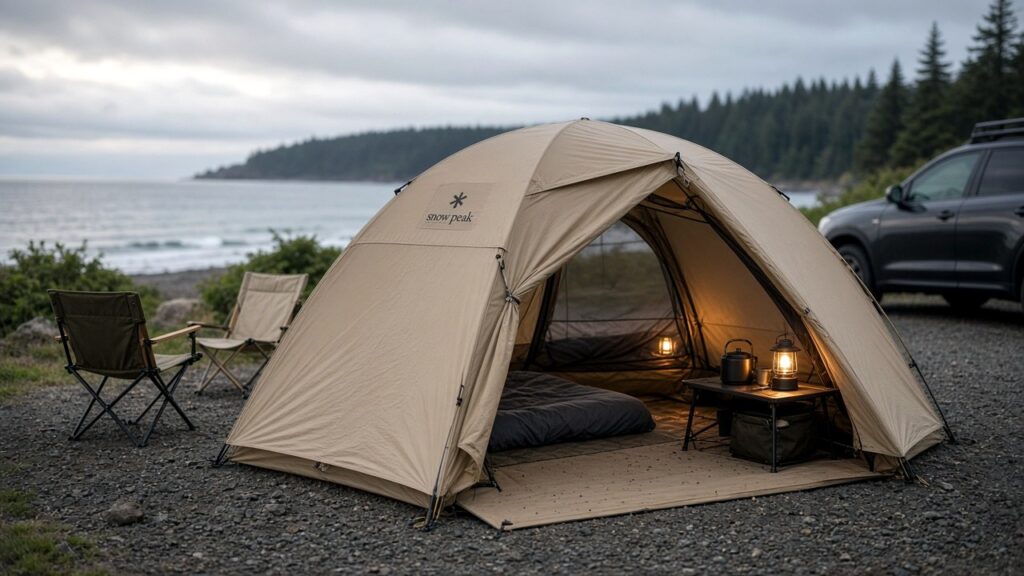
Buy if you drive to campsites, want a roomy weather-ready base, and value comfort over trail weight. Skip if you need to carry the shelter any meaningful distance or want a fast minimalist backpacking pitch.
What Stands Out
- Low, stable dome profile is reassuring in wet and blustery car-camp weather.
- Generous vestibule and sleeping volume support real base-camp routines.
- Heavy-duty materials and substantial poles suit repeated campground use.
- Two-door access keeps a full tent from becoming a single bottleneck.
- Thoughtful fly geometry sheds rain away from the living area.
- The weight is a feature for durability and a limitation for transport.
In The Field
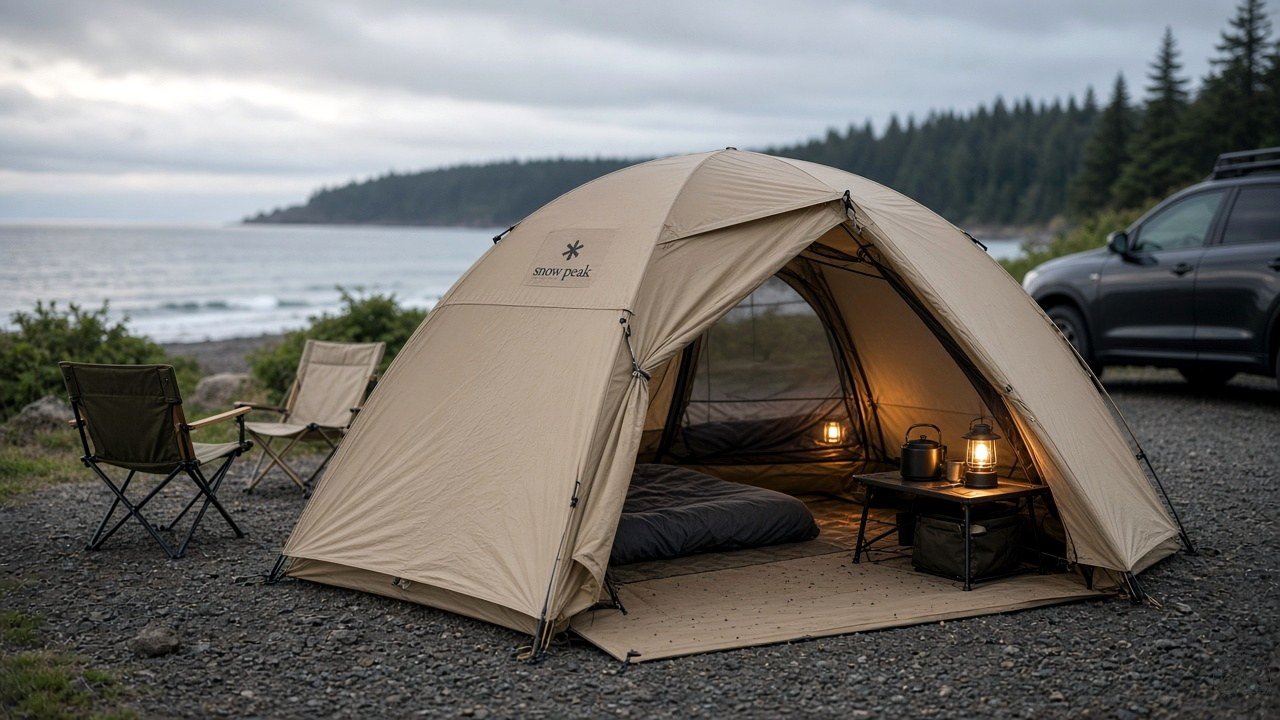
The Amenity Dome M makes sense the moment I stop pretending every tent has to be judged on a trail scale. I take it to a wet campground near the foothills, unload it from the car, and gain a room rather than a sleeping pod. At roughly eleven and a half pounds, this is not a shelter I would volunteer to carry beyond a short walk from a parking lot. That is not a failure; it is the design brief. The appeal is a stable base for cooking outside, changing clothes, storing chairs, and waiting out the kind of gray Northwest afternoon that makes a tiny tent feel like a penalty box.
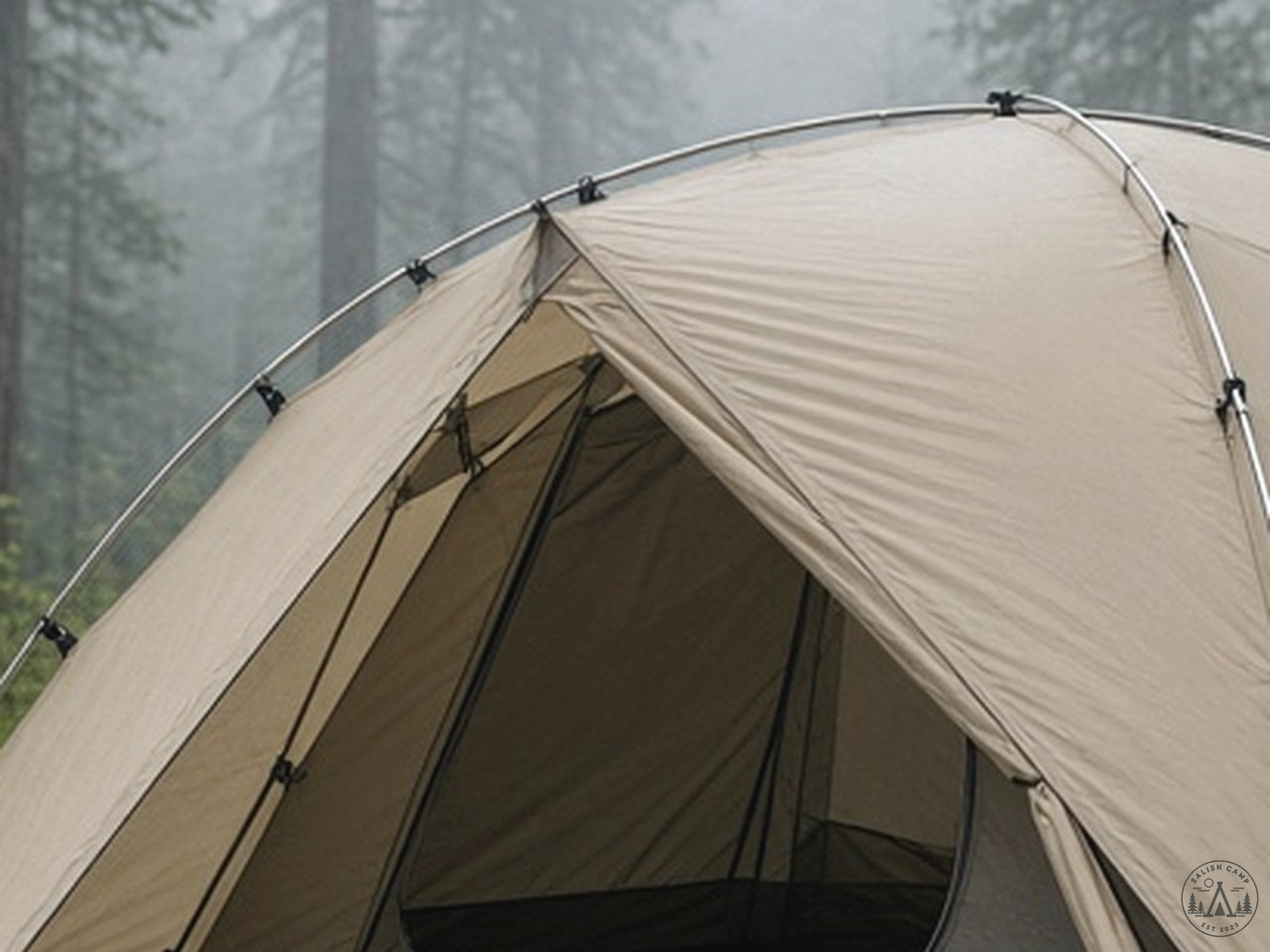
A novice may ask why a car-camping tent should have a low profile instead of a tall cabin shape. The answer is weather. The Amenity Dome’s lower silhouette gives wind less surface to grab, and the sloped fly encourages rain to run away from doors and living space. You give up some standing height, but you gain a calmer structure in gusts and a roof that feels purposeful rather than inflated. I can sit comfortably and move around on my knees; I cannot walk upright everywhere. That distinction matters when deciding between a base-camp dome and a family cabin.
I start setup by choosing a flat, drained pad and orienting the main entrance away from the strongest expected rain. Because I am not carrying the tent, I take the time to clear cones and sharp sticks rather than hoping the floor will forgive them. The poles and clips are substantial enough that new campers do not need a delicate touch, although it is still wise to avoid bending a pole against a locked sleeve. Once the body is square, the fly becomes a second weather layer, and the tent reads as a coherent shelter rather than a loose cover.
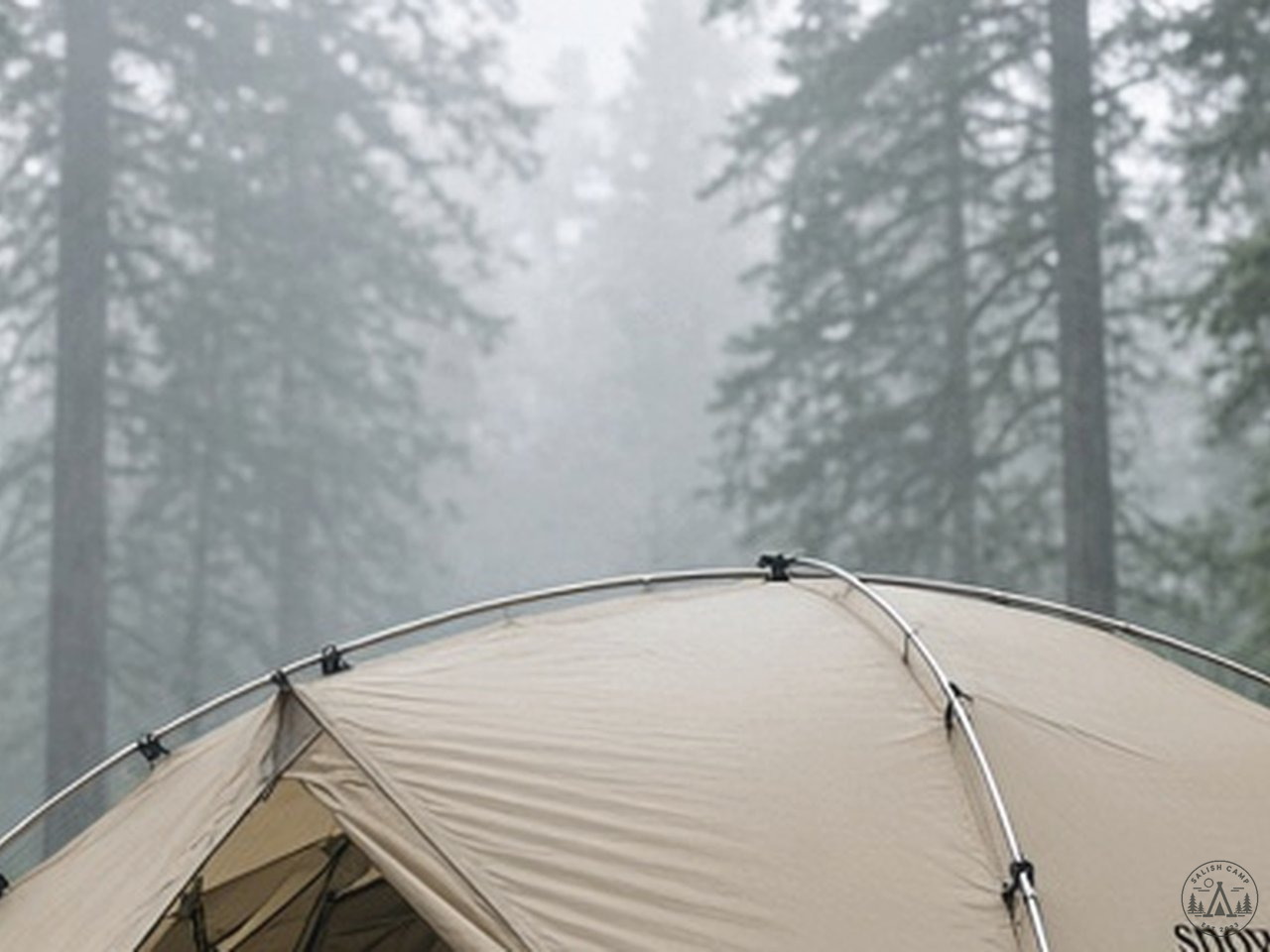
The front vestibule is the reason this dome earns its space in the car. It creates a protected transition where boots, a wet jacket, and a small crate can live without blocking the sleeping area. I do not use it as a stove room; fuel and flame stay outside with plenty of clearance. The vestibule is also where I sort groceries during a shower and leave a damp rain shell to drip. With two campers, communication helps: one person keeps the entrance clear while the other moves gear toward the back instead of building a wall of bags at the zipper.
Inside, the difference from a backpacking shelter is not only floor area. The headroom remains usable across more of the footprint, and the lower walls feel less eager to press inward. That makes changing clothes and helping a child or first-time camper less awkward. Two sleeping pads and personal duffels fit without requiring a strict Tetris plan. I still prefer to keep hard bins and muddy footwear outside. More space invites more gear, and clutter can erase the comfort that justified bringing a larger tent.
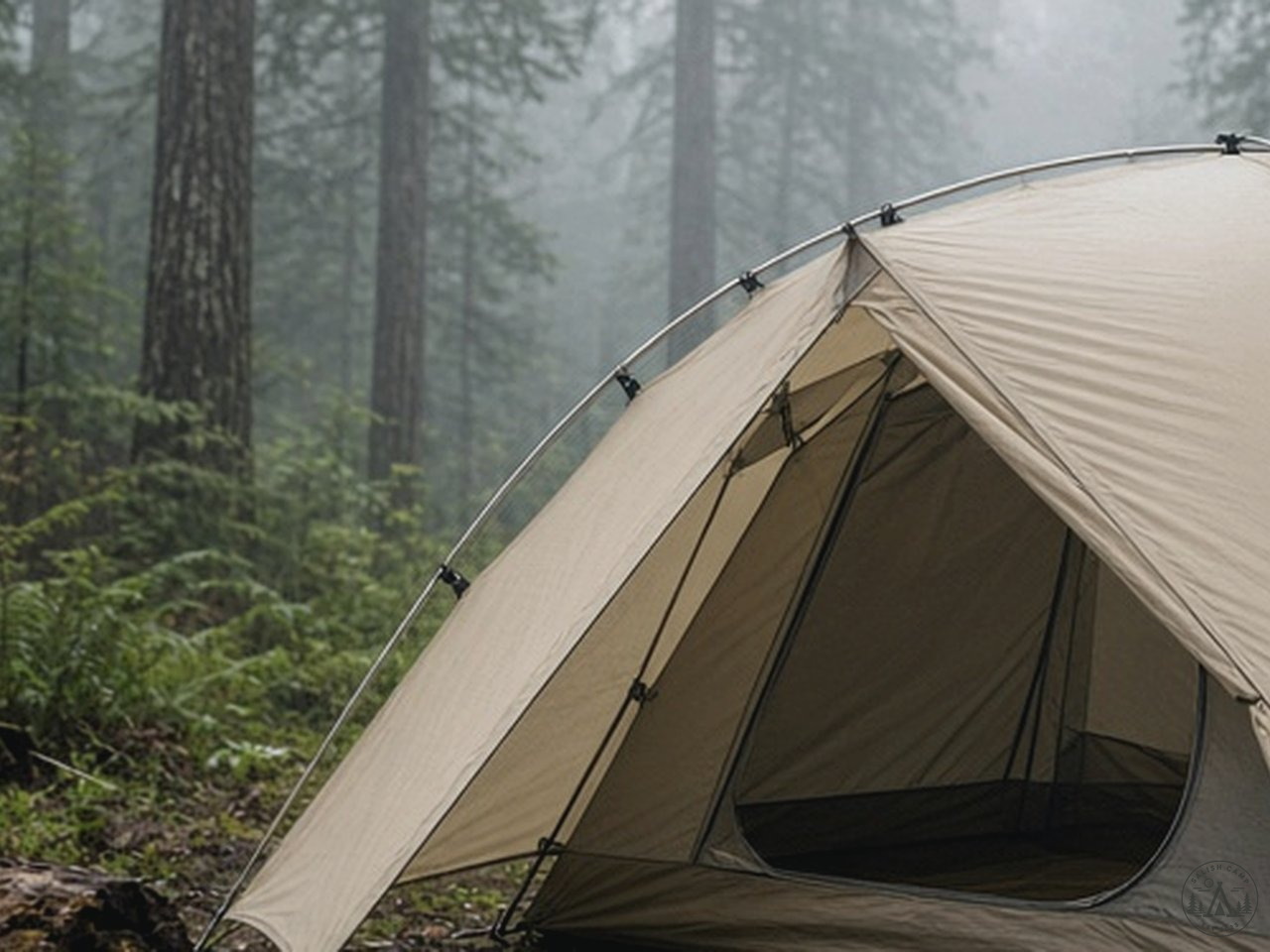
Rain management is a full-system job. I stake the corners, tension the fly, and use every vent the forecast justifies. The fly should not be pressed against the inner canopy, and the floor edge should remain inside the drip line. On a long wet night near Whidbey Island, those basic choices mattered more than any single fabric claim: water ran down the fly, dripped clear of the entry, and the sleeping room stayed organized. Condensation was reduced by airflow, not eliminated by optimism.
The larger footprint changes campsite etiquette too. I check the site rules, avoid trampling vegetation, and never spread into a neighboring pad. At busy Washington campgrounds, a compact pad can make this tent feel oversized, so I look at the footprint before loading the car. If the pad is awkward, I would rather choose a different site than force the dome over roots. A footprint or groundsheet can reduce abrasion and cleanup, but it cannot correct a poor orientation or stop runoff from uphill.
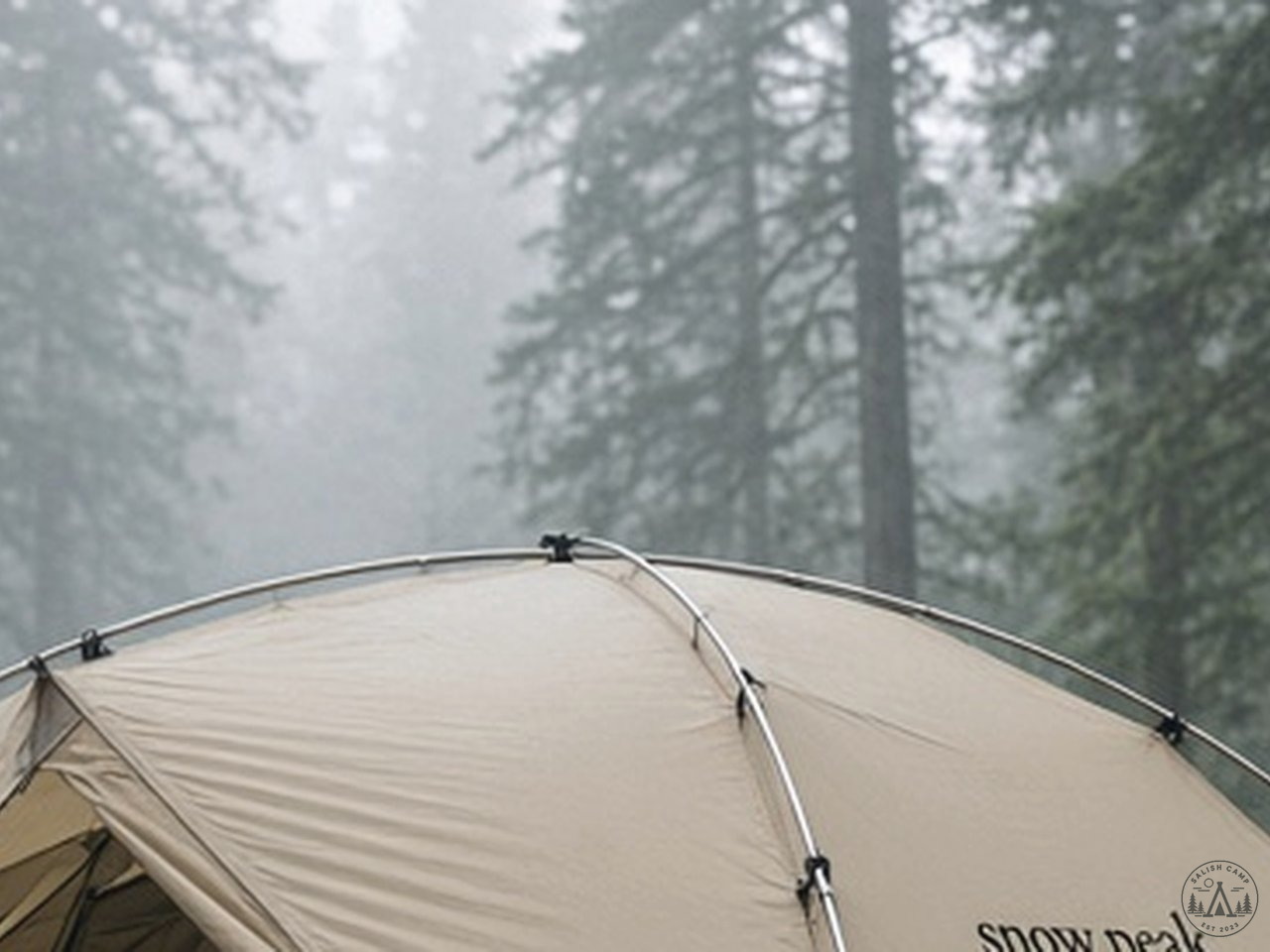
The weight is easiest to understand as a durability budget. A heavier pole set and more material create a reassuring feel when several people are opening and closing doors, when wind presses on the fly, or when the tent stays pitched for multiple nights. The trade is that every relocation becomes a chore. I can move the loaded tent a short distance with help, but I would not make that a regular plan. For comparison, the Nemo Dragonfly Osmo 2P review is the backpack-sized answer to wet Northwest weekends; this is the car-sized answer.
A first-time camper will appreciate how forgiving the interior is when plans change. If a shower arrives before dinner, the dome holds sleeping bags off the wet ground and gives me a place to reorganize. If the morning is cold, I can sit inside with a layer on and pack deliberately. There is a psychological advantage to not rushing: fewer crushed zippers, fewer dropped stakes, and less temptation to cook dangerously close to fabric. The tent cannot replace judgment, but it gives judgment time to work.
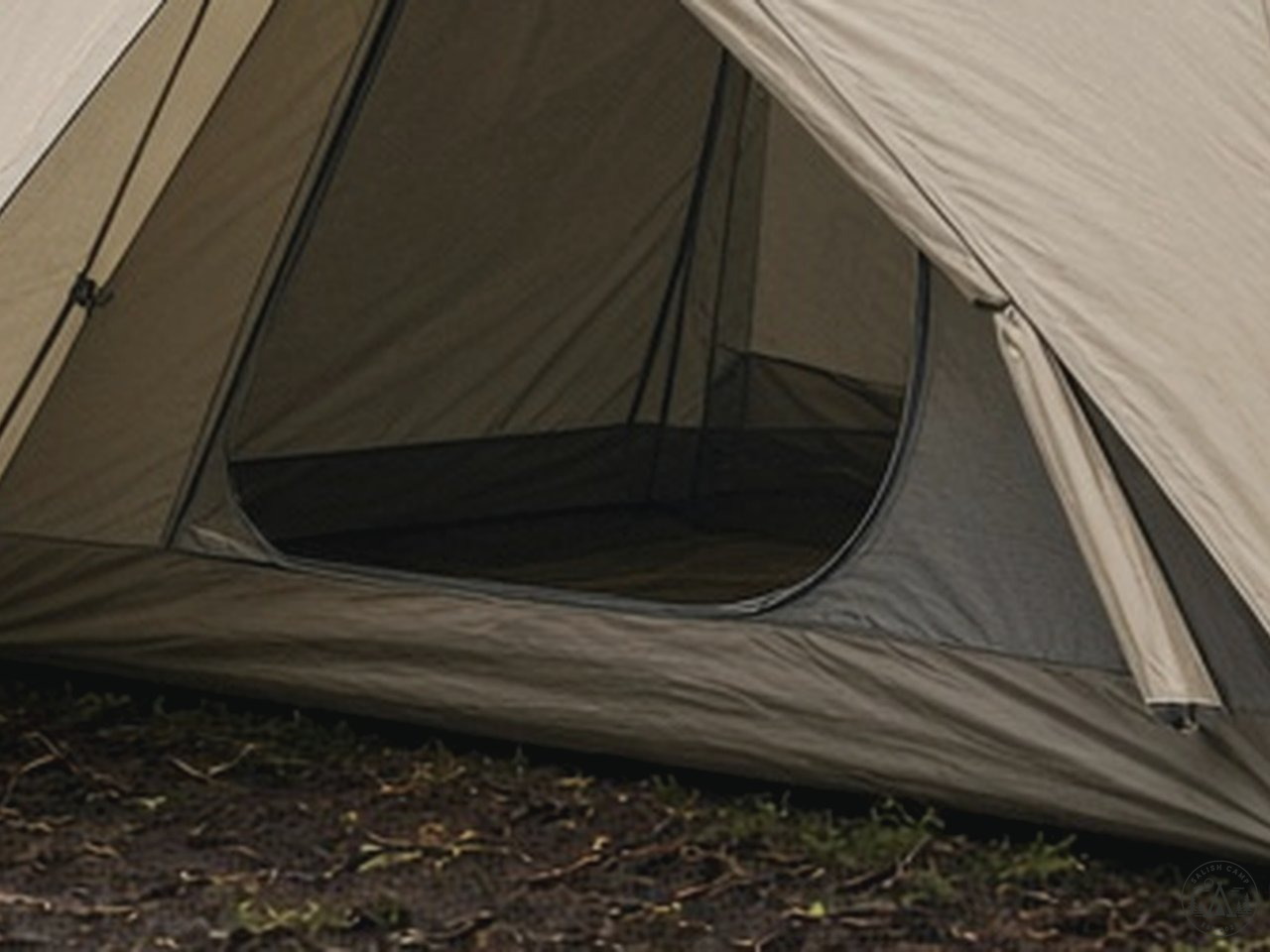
Ventilation deserves deliberate use because a roomy tent can collect a lot of moisture. I open opposite vents when the rain direction allows, leave mesh exposed in dry weather, and avoid sealing every flap simply because the zipper is available. Wet towels and clothing go under cover but not against the canopy. In the morning I wipe obvious droplets and let the fly air before packing. If the fly must go away wet, I unpack it at home the same day. That routine is more important than chasing a mythical condensation-free night.
The Amenity Dome is also a good teaching platform for shelter basics. I can show a new camper where the rainfly ends, why guy points are not decoration, and how a door awning can preserve dry entry space. Because components are large and visible, it is easier to diagnose an unseated corner or twisted webbing. Those lessons transfer to smaller tents. Someone moving later to the Big Agnes Copper Spur HV UL2 review or MSR Hubba Hubba NX 2 review will already understand that tension, airflow, and site choice matter.
Storage and transport are part of ownership here. I keep the poles in their own sleeve, avoid compressing wet fabric for days, and store the tent loose in a cool dry place rather than in the trunk. The carry bag is manageable for car camping, but it occupies real volume alongside a cooler and chairs. I make a simple loading order: shelter first, then bulky soft gear around it, and food secured separately. That is less glamorous than a pack list, yet it prevents the tent from being crushed under camp furniture.
In wind, I favor a conservative pitch. The low dome helps, but I still use the available guylines, orient the narrow profile into the forecast, and check tension after the first gusts. I do not leave an unattended tent pitched in conditions beyond its three-season purpose. A base-camp shelter invites people to stay put, so it can be easy to underestimate changing weather. The structure is an aid, not a license to ignore a marine forecast or a tree hazard.
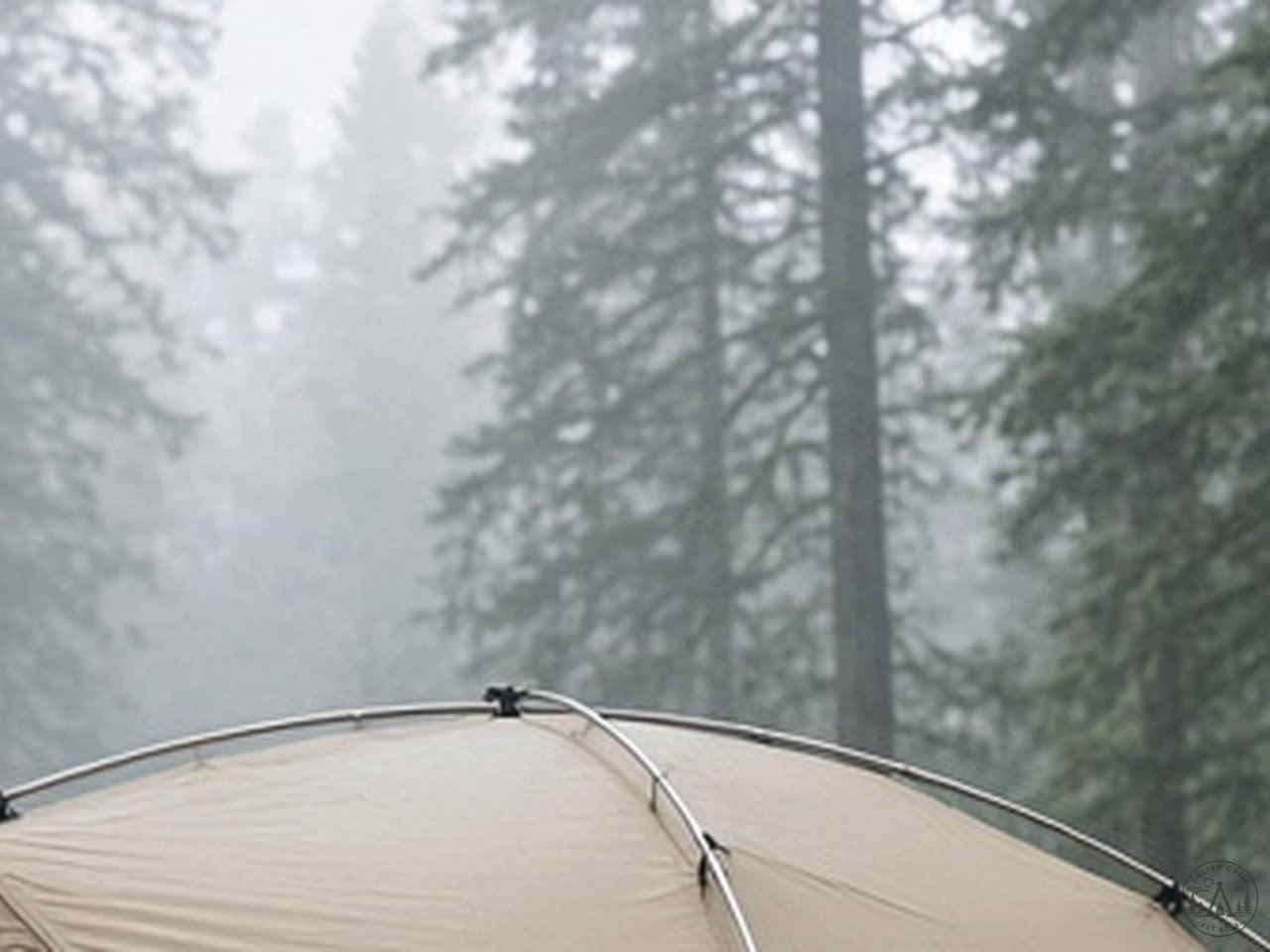
What I enjoy most is the way the tent turns a rainy weekend into a sequence of manageable tasks. Shoes have a home, sleeping spaces remain separate from the cooking area, and a partner can enter without stepping over another person’s bag. The living experience is calmer than in a tiny dome, especially when a trip includes reading, children, or long evenings at camp. If every trip begins with a trailhead and a pack, that calm is wasted weight. If the car reaches the site, it is the point.
The comparisons become straightforward. The Durston X-Mid 2 review prioritizes carried ounces and a trekking-pole pitch. The Amenity Dome prioritizes a stable room that can stay up for days. Neither is universally better. In my Seattle-area use, the Snow Peak earns its place for drive-in trips to rainy beaches, family campgrounds, and base camps where comfort and repeated door use are worth material. I would choose a smaller shelter the minute the approach involves a real climb from the car.
After breaking camp, I inspect the floor for grit, shake needles from the fly, and dry every wet panel before storage. The tent is large enough that a garage or clean lawn makes this easy; an apartment balcony may not. That practical requirement is part of the purchase decision. The Amenity Dome M rewards people who have space to transport and dry it. For them, the heavy bundle is not a burden during the night—it is the reason the night feels settled.
Pros & Cons
Pros
- Excellent shelter and gear organization at a campsite.
- Stable, low profile in coastal and mountain weather.
- Roomy vestibule handles shoes, chairs, and wet layers.
- Durable-feeling components for frequent use.
- More comfortable than backpacking tents for long stays.
Cons
- Far too heavy for ordinary backpacking.
- Large packed size needs a vehicle or dedicated gear space.
- Single large vestibule can become busy with two campers.
- Setup takes longer than a tiny freestanding dome.
Technical Specifications
| Packed weight | Approx. 11.5 lb / 5.2 kg |
|---|---|
| Capacity | Medium family / base-camp shelter |
| Structure | Freestanding dome with aluminum poles |
| Fabric | Durable coated tent textiles |
| Doors / vestibules | 2 / Generous front vestibule |
| Season | Three-season car camping |
| Floor | Raised bathtub-style perimeter |
| Best use | Car camping, base camps, rainy weekend stays |
Final Thoughts
Snow Peak Amenity Dome M is best understood as a deliberate set of trade-offs rather than a universal winner. The field evidence points to a shelter that matches its stated role, and the limitations are easy to plan around when the buyer chooses the right trips. I would buy it for the use case in the verdict, maintain it with a dry-storage routine, and pair it with sound site selection and weather judgment.
For a broader kit, I would cross-shop the Hyperlite Unbound 2 for pack context, the Soto WindMaster for wet-weather cooking, and the Hyperlite Southwest 40 when refining carried weight. A comfortable shelter also makes a small Helinox Chair Zero feel worth considering at camp, but the shelter should come first. The right choice is the one that gets used often, pitches safely, and leaves enough energy to enjoy the Northwest around it.