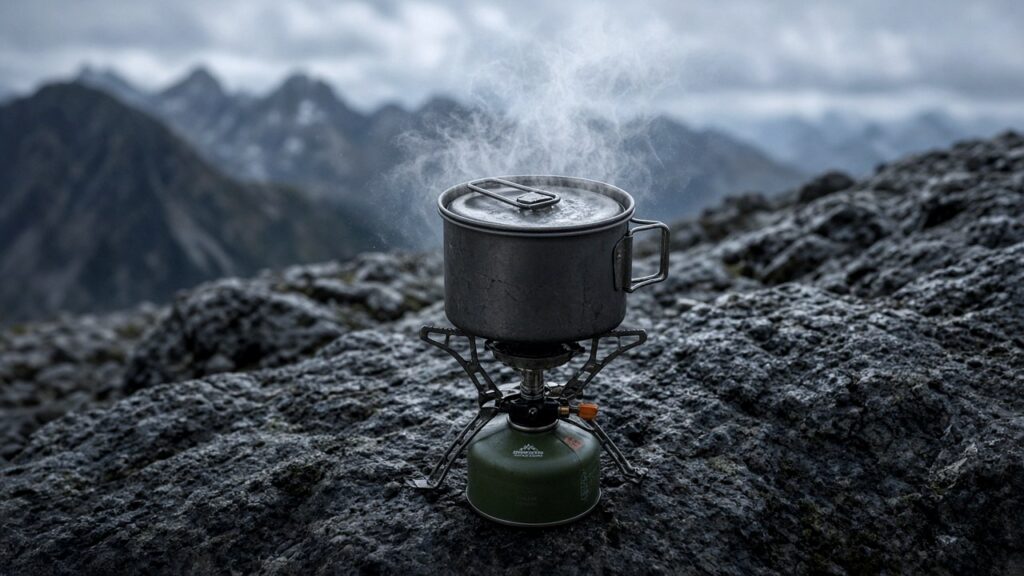
The Soto WindMaster (with 4Flex) is the upright isobutane stove I reach for when Pacific Northwest wind would turn a cheaper burner into a fuel-wasting fight. At roughly 3.0 oz / 87 g with the 4Flex pot support and about $70, it sits in the sweet spot between ultralight boil-only gadgets and heavier remote-canister systems. The recessed burner and Micro Regulator keep output steadier in crosswinds and as the canister cools, and the simmer range is real enough for oatmeal and one-pot meals—not just blast-or-nothing. Buy it if you cook on ridges, passes, or exposed lake shores around Seattle and the Cascades. Skip it if you only boil water in sheltered forests and want the absolute cheapest upright stove, or if deep-winter snow melting is your main job.
What Stands Out
- Recessed burner head: The concave burner behaves like a built-in windscreen, so you do not pack a separate foil screen that can melt or get confiscated by Leave No Trace habits.
- Micro Regulator: Unlike many basic uprights that fade as the canister cools or empties, the regulator keeps output steadier on cold Cascades mornings and toward the end of a cartridge.
- Usable simmer control: You can dial heat down for oatmeal, couscous, and one-pot dinners instead of choosing between scorched or lukewarm.
- 4Flex vs TriFlex pot supports: The four-arm 4Flex feels planted under wider titanium and aluminum pots; TriFlex is lighter but less stable for larger cookware.
- Quiet, efficient flame: Shared camps and early alpine starts stay civil—you can talk over it without shouting, and fuel lasts longer across a week of windy dinners.
- Compact cook-kit fit: With supports removed it nests into small pots and sits in an outer pocket of a pack like the Hyperlite Southwest 40 without stealing volume from sleep gear.
- Three-season honesty: Excellent for spring through fall wind and drizzle; not pretending to replace a liquid-fuel or remote-canister stove for serious snow melt.
In The Field
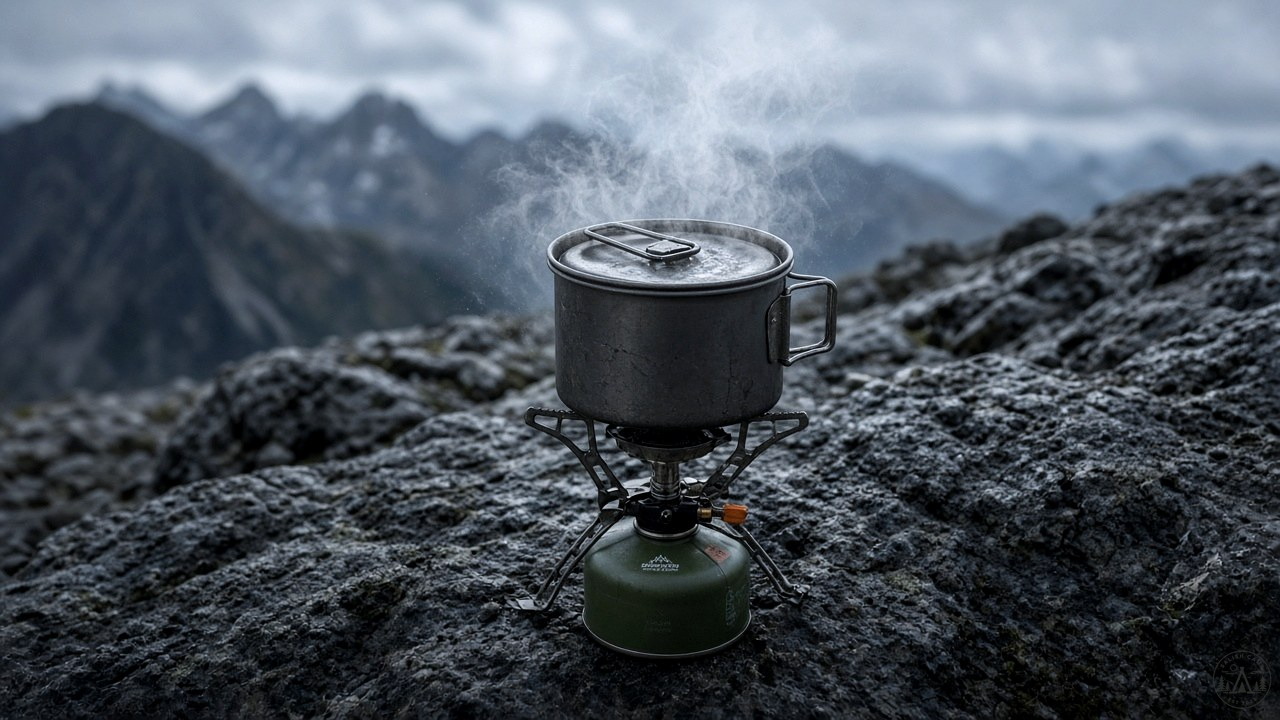
Living around Seattle means a lot of trips start under gray ceilings and finish on windy benches. Most upright canister stoves will boil water on a calm morning in the trees. I stopped caring about calm-morning catalog specs after enough dinners where a side wind turned a “three-minute boil” into a cold, hissing compromise. The WindMaster changed that pattern on a Cascades pass camp with roughly twenty-mile-per-hour gusts. I set the stove on a threaded isobutane canister behind a low rock, clicked the piezo, and watched the flame hold while I filled a titanium mug. The previous PocketRocket-style stove in that same kit would snuff or crawl. This one kept working.
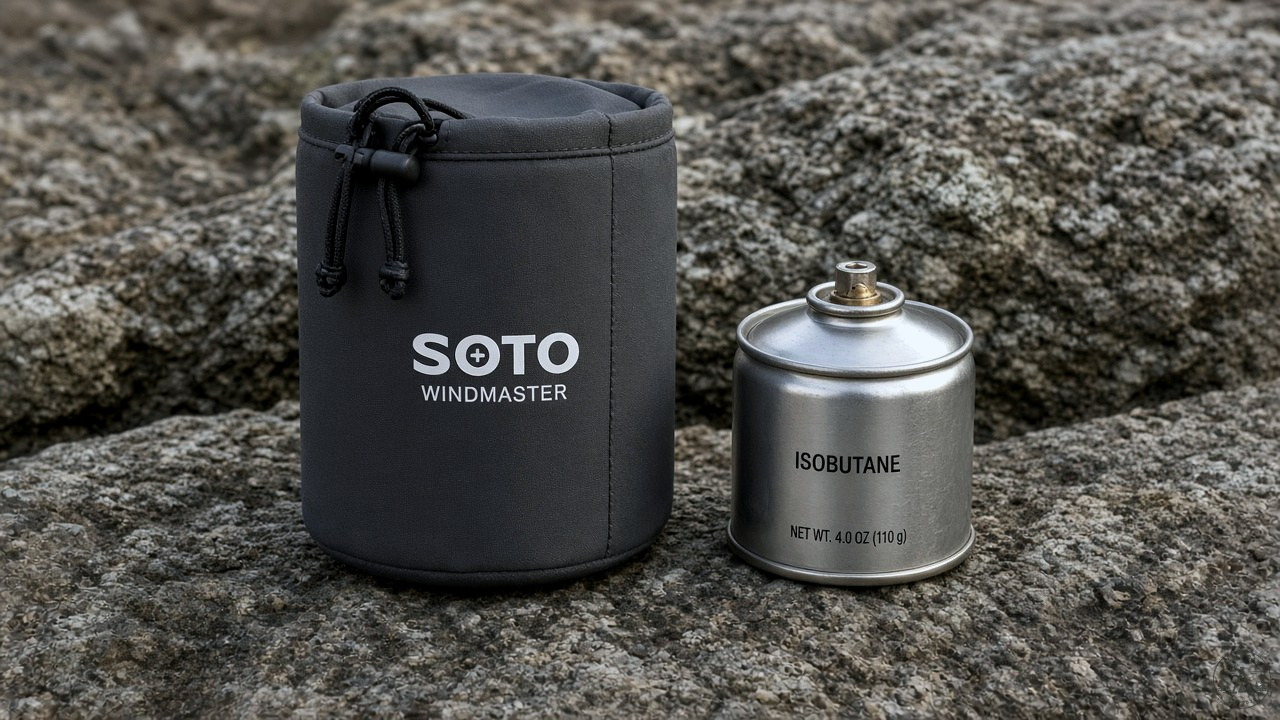
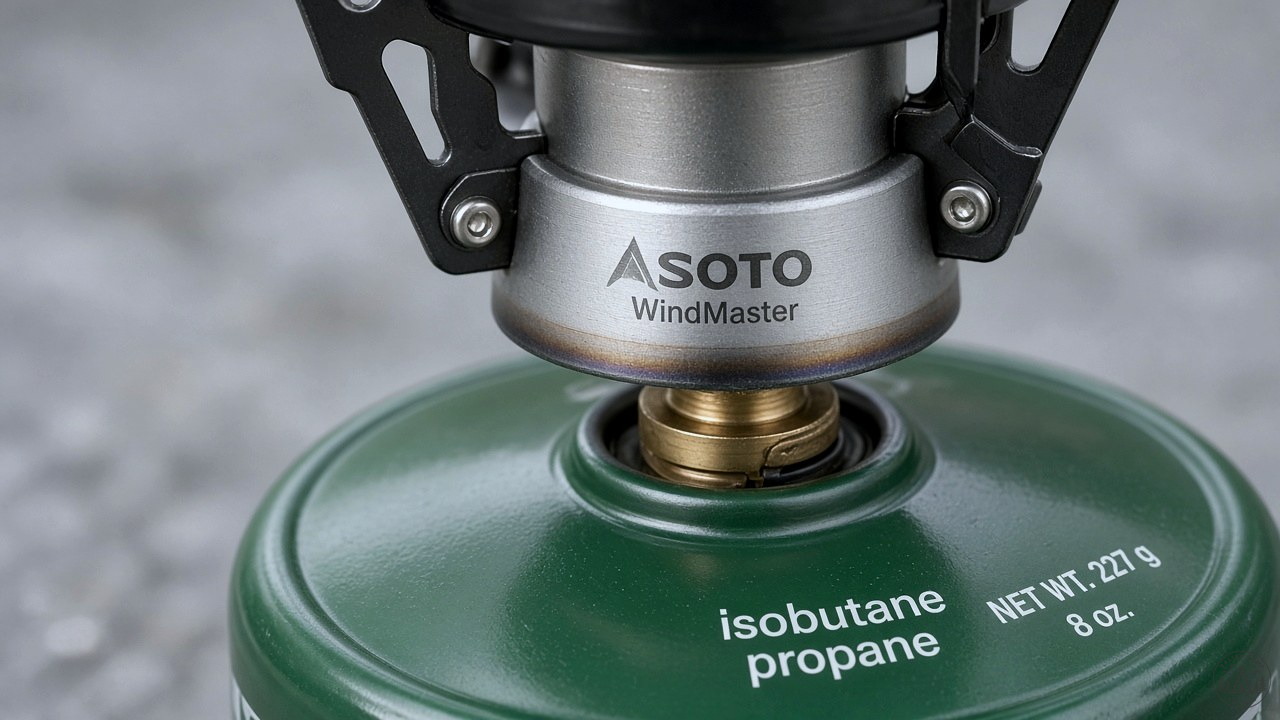
What is actually in the box matters for first-time buyers. The common retail kit is the WindMaster burner with the 4Flex pot support arms, a small stuff sack, and an integrated piezo igniter. Fuel canisters are not included—you need standard threaded isobutane/propane mix cartridges (the tall screw-on style used by most backpacking brands). Stakes, windscreens, and pots are separate. If a listing says “TriFlex,” that is a different three-arm support sold separately or in older kits; confirm which arms you are buying before you assume four feet under your pot.
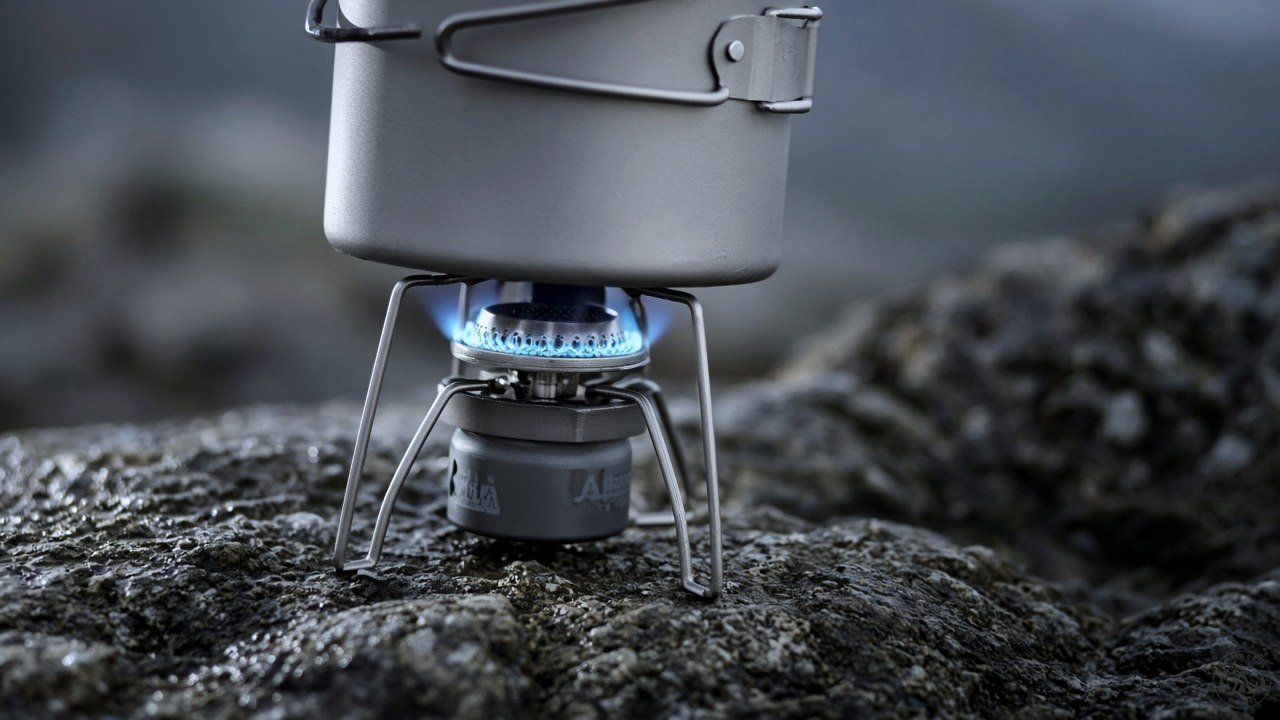
4Flex versus a “standard” or TriFlex support is the question I get most from people upgrading. The stove body is the same; the arms clip on and determine how wide and stable your pot sits. 4Flex gives four contact points and a wider stance—better for 900 ml–1.5 L pots, frying pans with a slight overhang, and anyone who has tipped a narrow three-arm stove into pine needles. TriFlex (when you can find it) shaves a little weight and packs slightly flatter, but feels twitchier under a wider cook pot. For my kit I leave 4Flex on almost all the time and only remove the arms when nesting the burner into a small mug for travel days.
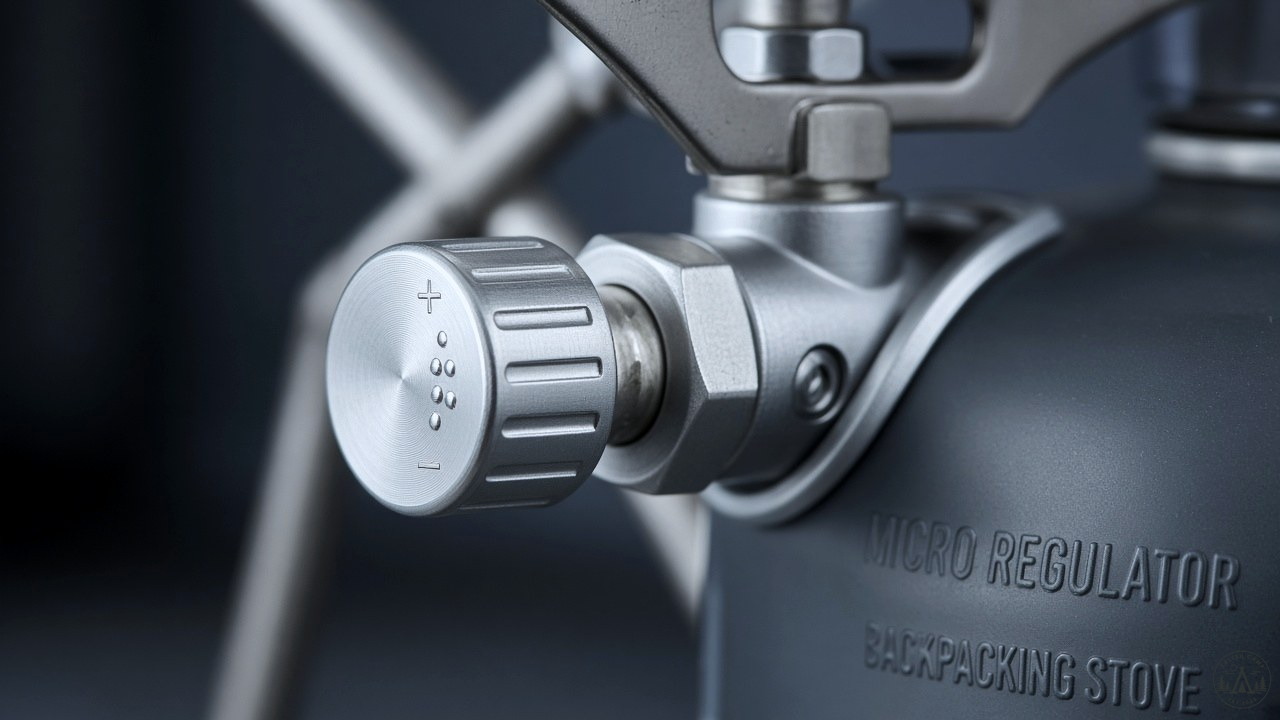
The Micro Regulator is not marketing fluff on cold mornings. Unregulated uprights often lose pressure as the liquid gas inside the canister cools from the phase-change of boiling fuel—especially when the can is half empty, the air is near freezing, or you are sitting on snow. The regulator meters gas so the flame stays more consistent as conditions change. Practical translation: on a 35°F lake-shore breakfast near Stevens Pass, I still got a usable boil without warming the canister in my jacket first. That said, physics still exists. In deep cold I keep the canister off ice, shield it from wind with my body or a rock, and sometimes start with a warmer can from an inner pocket. The WindMaster handles shoulder-season cold better than most of its class; it is not a magic winter stove.
Simmer is the other reason I kept this stove. Full blast will still concentrate heat on thin titanium; I do not walk away from a rolling boil the way I might on a kitchen range. But you can dial down enough for oatmeal that does not become a scorched hockey puck, for reducing a sauce in a one-pot dinner, or for keeping water hot without a violent plume. That matters on longer trips when you are not living exclusively on pour-over freeze-dried bags. If your entire menu is “boil, steep, eat,” a cheaper blast stove can work. If you actually cook, the WindMaster’s range is the upgrade you feel every morning.
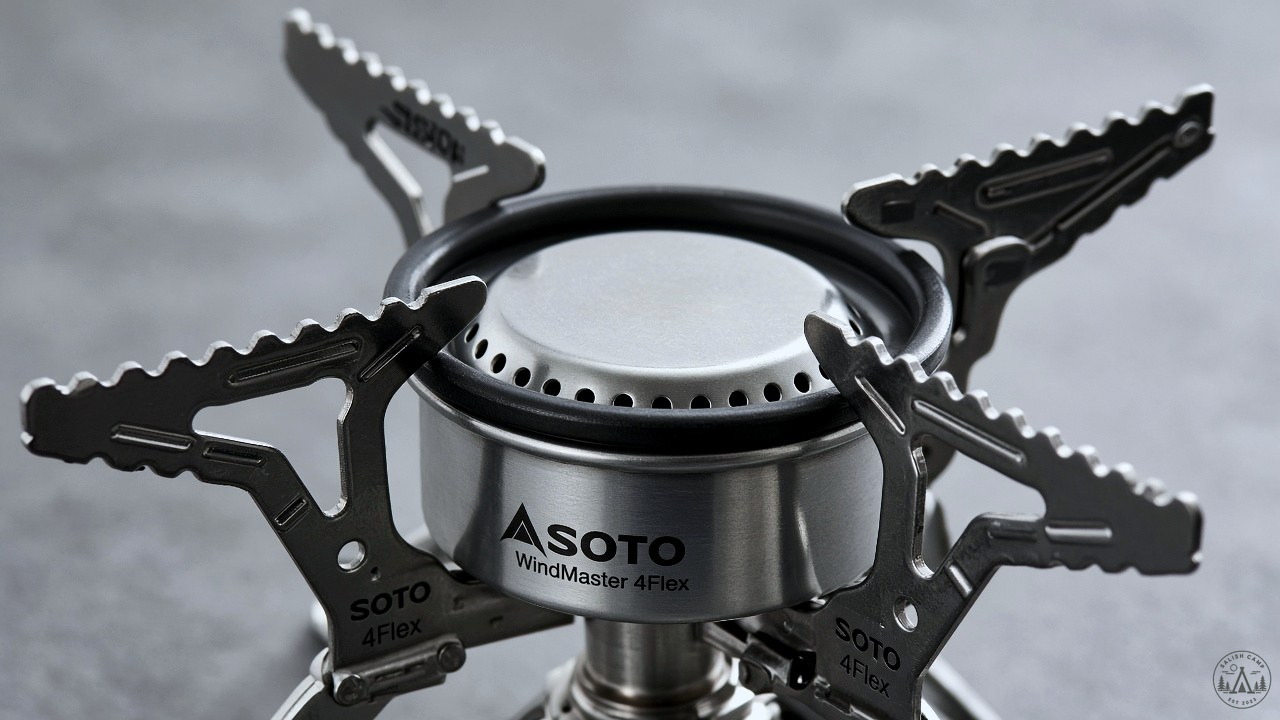
Wind performance is where the recessed burner earns its keep. A deep cup around the flame reduces how easily a crosswind strips heat from the pot. I still use terrain—rocks, a pack, my body—as a windbreak when gusts are nasty, and I never enclose an upright canister stove in a tight foil windscreen that can overheat the canister. The WindMaster’s design means I rarely need extra screen hardware. On exposed Olympic foothill ridges and Cascade passes, that alone has saved ounces of fuel I used to waste fighting a lazy flame.
Fuel and efficiency show up across a week, not in a single backyard stopwatch test. Because less heat is lost to wind, I started leaving the “just in case” four-ounce canister at home on shorter three-season trips. For a typical Cascades weekend of coffee, dinners, and one hot lunch, a mid-size canister is usually enough when I am not melting snow. Exact burn rates depend on pot, lid, and wind—so treat catalog boil times as directional. What I trust is fewer dead flames and less wasted gas.
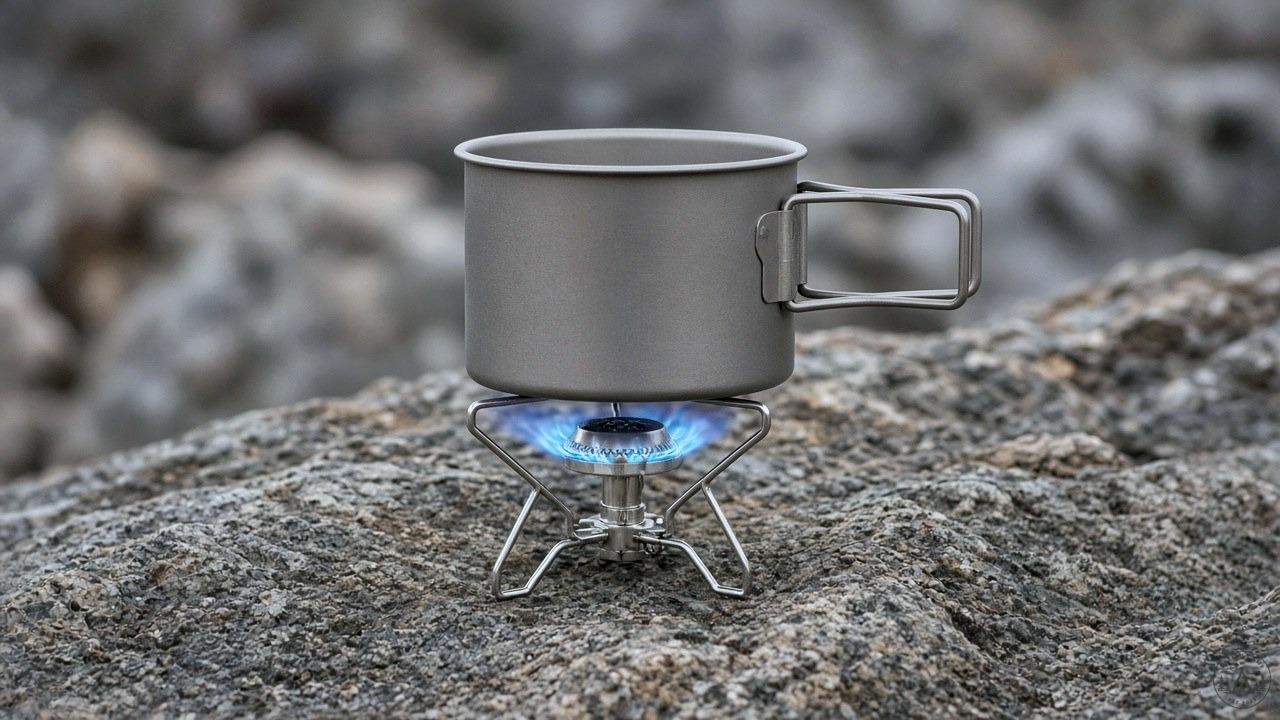
Pot compatibility is straightforward if you match support to diameter. 4Flex likes pots with a stable base in the roughly 3.5–6 inch range; very narrow mug-style pots can feel tippy if the arms are spread wide, and huge group pots belong on a bigger stove. I run a 750–1100 ml titanium pot most days, sometimes a small aluminum fry pan for trail eggs on car-access basecamps. Always center the pot, keep the setup on firm ground (or a flat rock), and do not leave a full pot unattended on uneven duff. Packed size with 4Flex installed is roughly pocket-friendly—about 1.9 × 3.0 × 1.7 in for the burner/support cluster depending on how you measure the arms. Supports removed, the burner alone nests easily into many cook pots for travel.
Ignition and maintenance are simple but not zero-care. The piezo is convenient when dry; I still carry a mini lighter or matches because wet mornings, piezo fatigue, and “it worked last trip” are a bad combination. After trips I wipe soot off the burner cup, check that the pot arms still click firmly, and store the stove dry. Do not pack it soaking wet in a sealed bag for weeks. Threads on the canister connector should stay clean—grit there is how you get leaks and frustration. If the flame smells wrong, sputters yellow, or you hear gas without ignition, shut it down, check the seal and connection, and fix the setup before you keep trying.
Who it is for: backpackers and alpine travelers who cook above treeline, on windy lake shores, or anywhere a basic upright has already failed them; people building a light three-season kit alongside a dialed shelter and pack; anyone who wants simmer without jumping to a heavy remote-canister system. Who it is not for: car campers who should buy a bigger two-burner; winter travelers whose primary job is melting gallons of snow; gram-weasels who only ever boil water in a full forest canopy and refuse to spend ~$70 on a stove; people who want a remote hose so the canister can sit in a warm pocket while a burner lives on the ground—that is a different stove category.
In a full Salish Camp-style kit, the WindMaster sits next to a light shelter and a comfort item you actually still carry. After a long day I often cook from a low seat—the Helinox Chair Zero is the ounce that made dinner upright instead of hunched on a damp pad—and then crawl into a Dyneema shelter once the stove is cool and packed. None require each other, but together they match the same idea: pay for performance you feel in real Northwest weather.
Pros & Cons
Pros
- Excellent wind performance for the weight thanks to the recessed burner.
- Micro Regulator improves cold-canister and late-cartridge consistency.
- Real simmer range for oatmeal and one-pot cooking.
- 4Flex support feels stable under wider backpacking pots.
- Fuel efficient across multi-day trips in real wind.
- Quiet enough for shared camps and early starts.
- Packs small; nests with common ultralight cook pots.
Cons
- Costs more than basic upright boil stoves (~$70).
- Removable pot supports can be lost in duff if you are careless.
- Piezo is convenient, not a substitute for a backup lighter.
- Not the best tool for serious snow melt or deep winter.
- Focused heat can scorch thin pots on full blast if ignored.
- Canister fuel only—no liquid-fuel flexibility.
Technical Specifications
| Category | Details |
|---|---|
| Product | SOTO WindMaster with 4Flex (OD-1RXN family) |
| Approximate weight | ~3.0 oz / 87 g with 4Flex; ~2.3 oz / 67 g with TriFlex (sold separately) |
| Price | Approximately $70 (street price varies) |
| Materials | Aluminum and stainless burner assembly; polymer valve components |
| Fuel | Threaded isobutane / propane mix canisters (not included) |
| Output | ~11,000 BTU / ~3,260 W (manufacturer rating) |
| Burner | Recessed / concave burner cup for wind resistance |
| Regulator | SOTO Micro Regulator for steadier output |
| Ignition | Integrated piezo; carry a backup |
| Pot support | 4Flex (four-arm) included in common kits; TriFlex optional |
| Packed size (4Flex) | Approximately 1.9 × 3.0 × 1.7 in |
| Best use | Windy three-season backpacking cooking; Cascades & Olympic foothills |
| Maintenance | Wipe soot, keep threads clean, store dry, inspect pot-arm clips |
Final Thoughts
The Soto WindMaster succeeds because it solves a specific Northwest problem: dinner in wind without wasting fuel or carrying a heavier remote-canister system. After using it on Cascades passes with twenty-mile-per-hour gusts, on cold lake-shore breakfasts near freezing, and on ordinary forest evenings where simmer mattered more than peak BTU, the tradeoffs are clear and measurable.
Compared with a basic upright stove, you pay roughly double the entry price and get a recessed burner, a micro-regulator, and simmer you can cook with—plus the habit of actually finishing meals on time when the weather is part of the landscape. Compared with a remote-canister or liquid-fuel stove, you save weight and complexity but give up the best deep-winter snow-melt workflow. Compared with “boil only” ultralight burners, you carry a few extra grams and gain the ability to make oatmeal without scorching.
The evidence I trust is practical: flame that held on an exposed pass when the previous stove crawled; canisters lasting a full windy weekend without the emergency spare; shoulder-season mornings where the regulator kept output usable as the can cooled. The compromises are equally honest: ~$70 instead of ~$30–40, removable arms you must not lose, a piezo that still wants a lighter backup, and a hard pass for expedition snow melting.
I recommend the WindMaster with 4Flex to backpackers who regularly cook in wind around Seattle, the Cascades, and similar three-season terrain, and who want one stove that covers coffee, dinners, and real simmer without a second burner in the pack. I would not recommend it as a car-camping kitchen, a winter melt machine, or a gift for someone who only ever boils water under full canopy and resents spending money on cookware.
Confirm current kit contents on SOTO’s shop before you order—4Flex versus TriFlex packaging has shifted over time—and keep a backup ignition source either way. For the right user, this is the quiet upgrade that stops the wind from deciding whether you eat hot food.