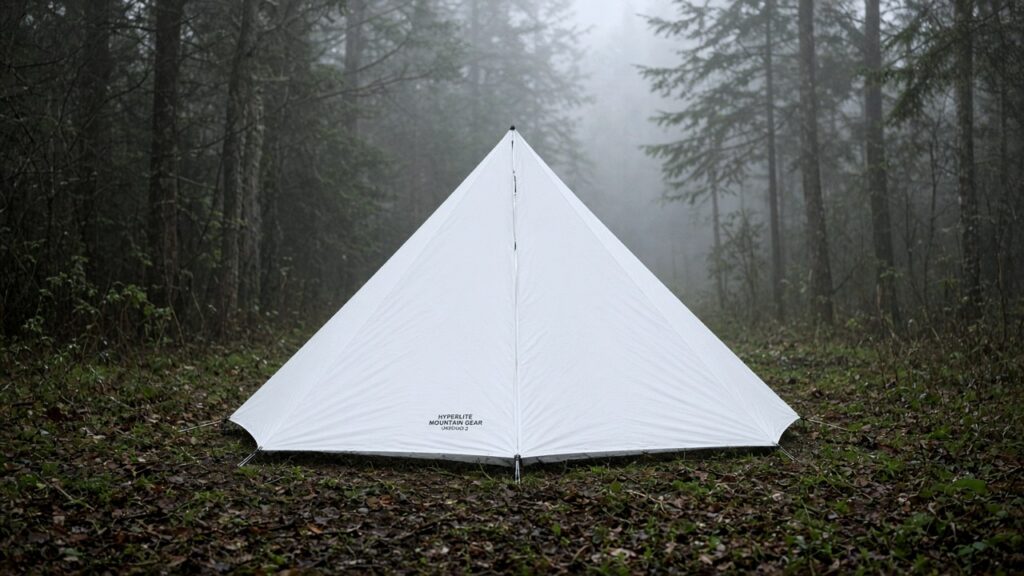
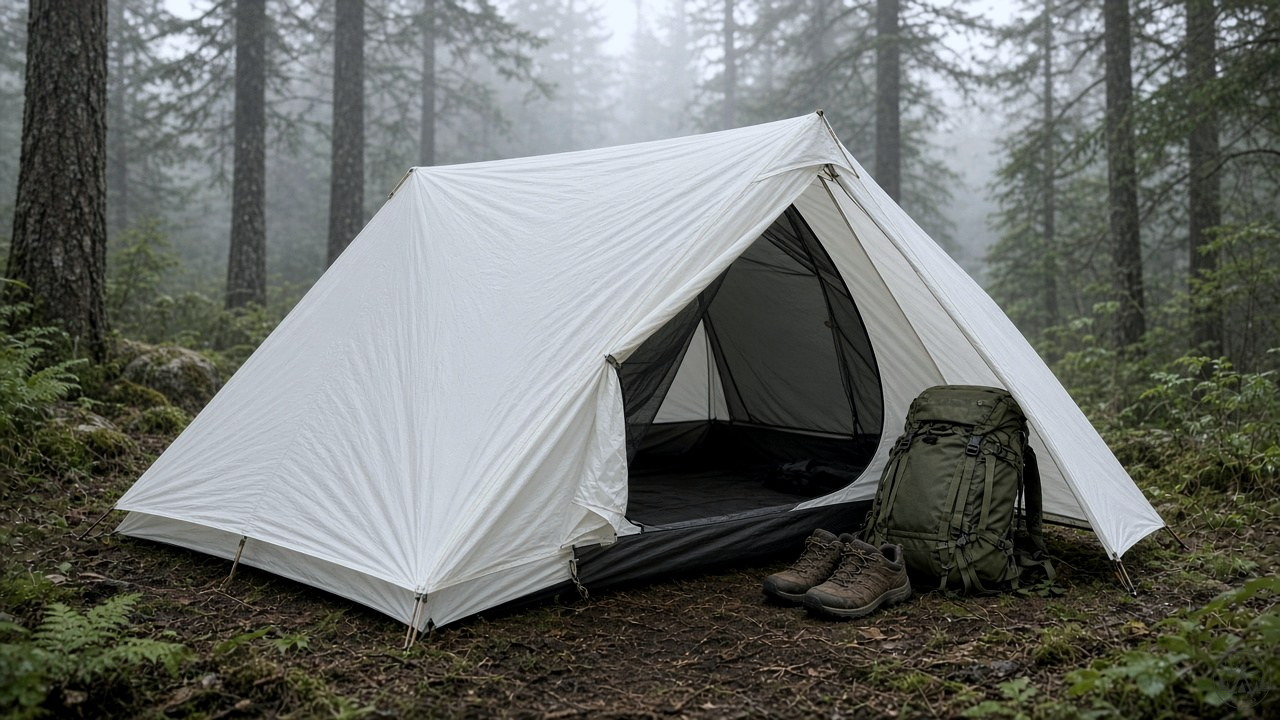
The Hyperlite Mountain Gear Unbound 2 is a premium ultralight Dyneema two-person trekking-pole tent designed for backpackers who want maximum shelter performance with minimum carried weight. At roughly 24 ounces depending on configuration, approximately $795, and built around two trekking poles rather than dedicated tent poles, it represents a very different approach from conventional backpacking tents. The Unbound 2 is not a simple “lighter tent”; it is a complete lightweight shelter system that rewards hikers who understand site selection, tensioning, ventilation, and efficient packing. In the wet forests, alpine basins, and shoulder-season conditions common around Seattle and the Pacific Northwest, it provides exceptional weather protection, a surprisingly roomy interior, and a tiny pack footprint. The tradeoff is that it requires more skill and attention than a traditional freestanding tent, and beginners expecting instant setup may need time to learn its strengths.
What Stands Out
- Dyneema Composite Fabric construction: The Unbound 2 uses ultralight waterproof Dyneema materials to achieve an outstanding strength-to-weight ratio while resisting water absorption and maintaining structure in wet conditions.
- Two-trekking-pole architecture: Instead of carrying dedicated tent poles, the shelter uses compatible trekking poles around 48 inches tall, reducing weight and integrating naturally into an ultralight hiking system.
- Fully enclosed two-person design: Unlike open tarp shelters, the Unbound 2 provides bug protection, privacy, two vestibules, and a complete sleeping environment.
- Excellent interior efficiency: Three-dimensional sidewalls and thoughtful geometry create more usable head and foot space than many minimalist shelters.
- Premium wet-weather details: Taped seams, waterproof vestibule zippers, bathtub floor design, and multiple tie-out points improve confidence during rainy trips.
- Lightweight but not beginner-simple: The tent saves significant weight compared with traditional shelters, but performance depends on correct pitching technique and campsite selection.
- Ideal ultralight system compatibility: The Unbound 2 pairs naturally with lightweight packs such as the Hyperlite Southwest 40 review (Hyperlite Southwest 40 review) for efficient multi-day trips.
In The Field
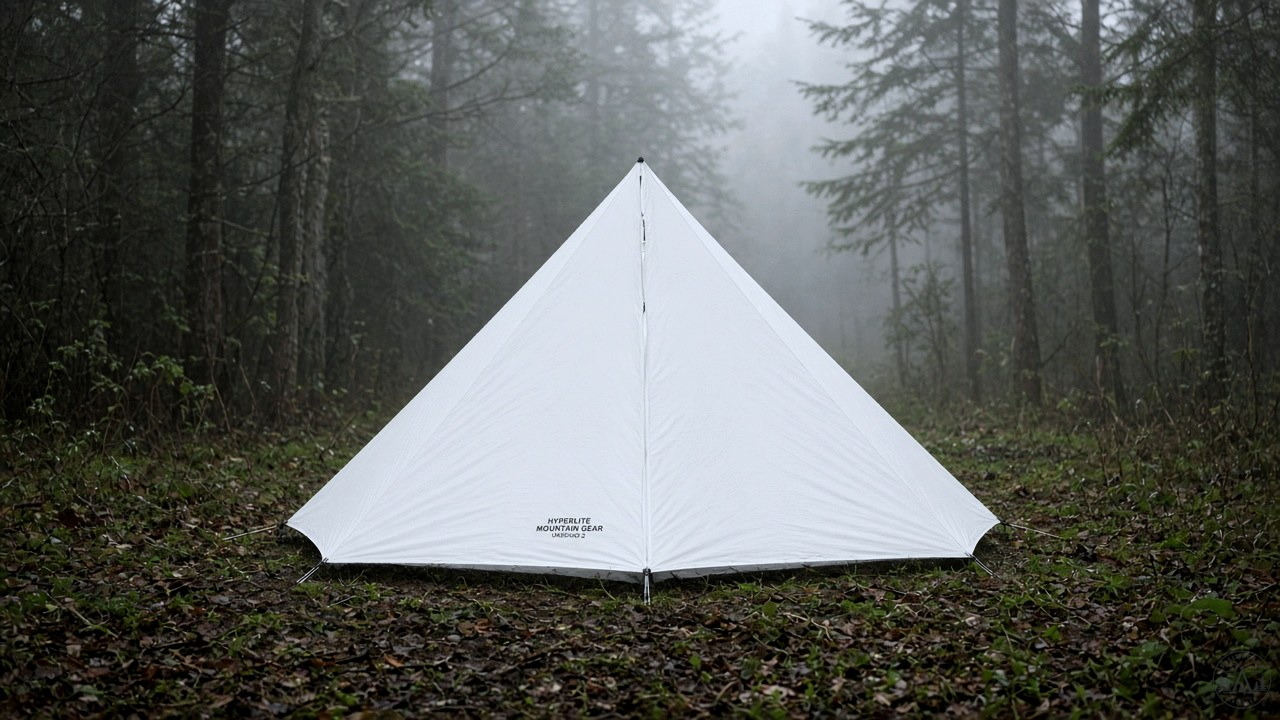
The Hyperlite Mountain Gear Unbound 2 represents a major shift in how I think about backpacking shelters. When I first started refining a lightweight kit for Pacific Northwest trips, I approached tents the same way many hikers do: compare floor space, compare waterproof ratings, compare features, and pick the option that appears most comfortable. Over time, I realized that shelter decisions are really about balancing weight, reliability, setup complexity, and how you actually travel.
The Unbound 2 makes sense because it was designed around movement. Around Seattle, many backpacking routes are not simple walks from a parking lot to a campsite. A typical trip may involve steep climbs through dense forest, wet trails, changing temperatures, and long miles carrying everything needed for multiple days. Saving a pound or more on shelter weight can have a noticeable effect by the second or third day.
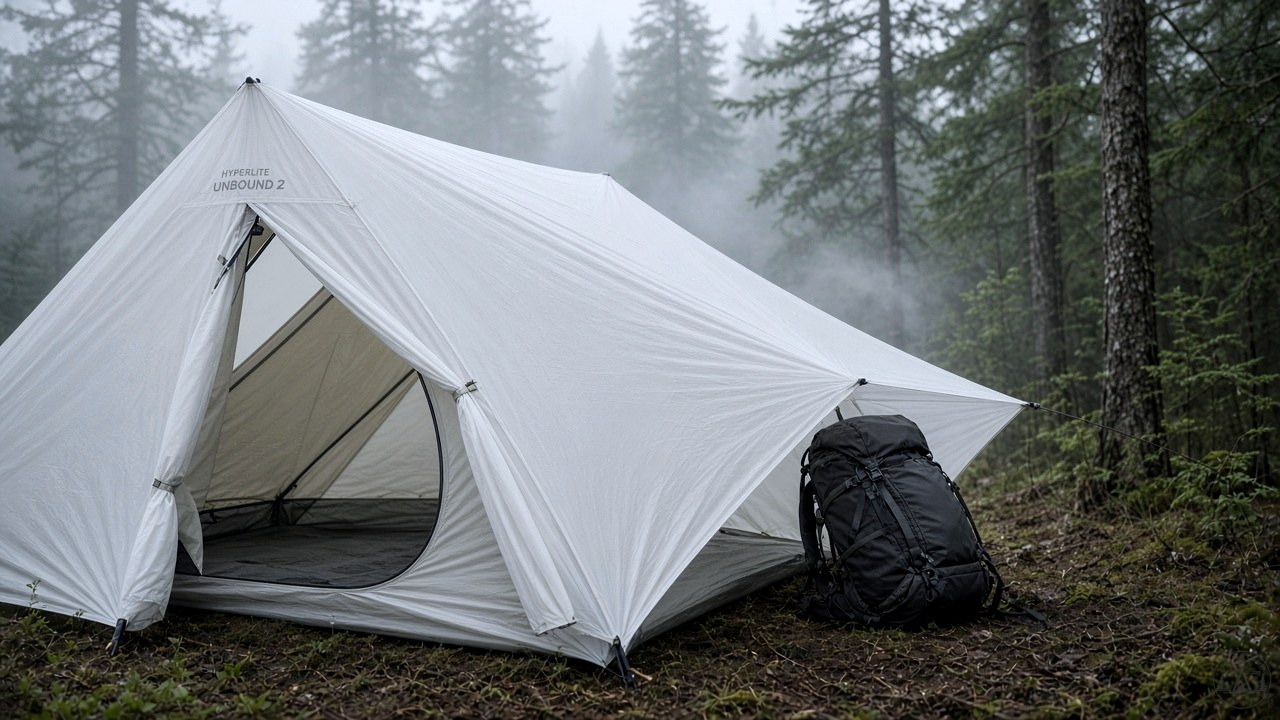
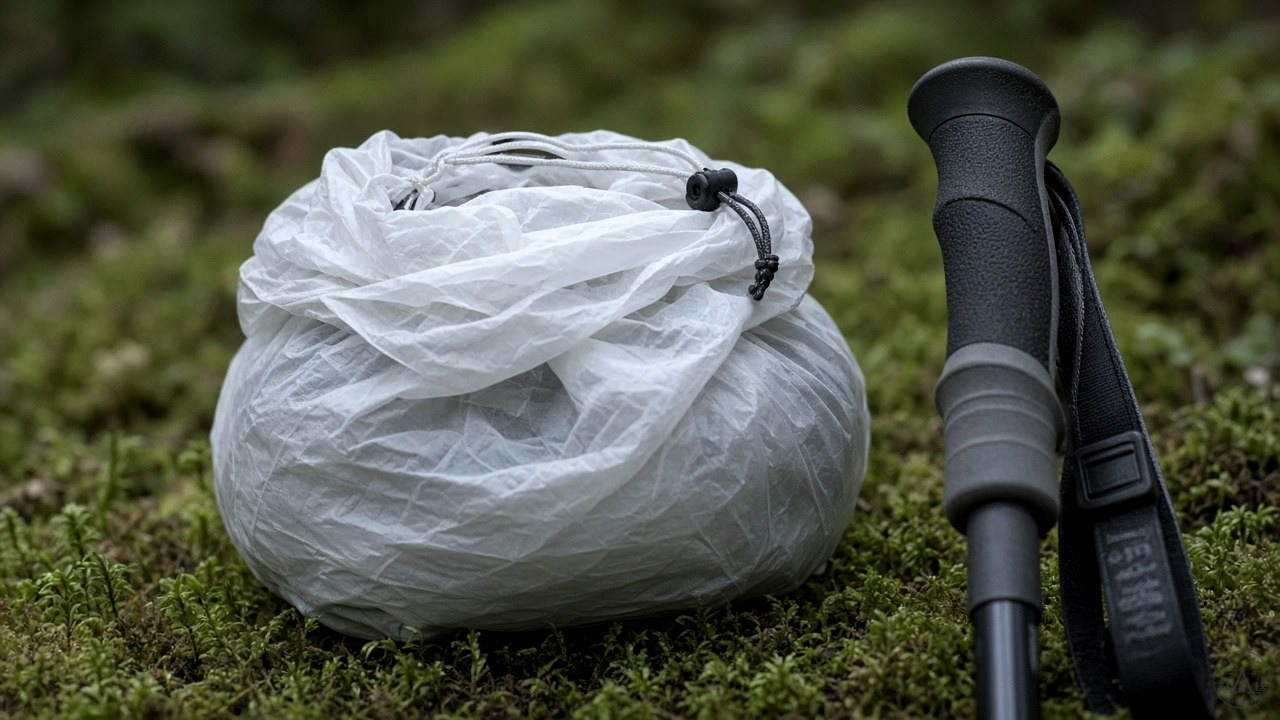
The first thing I noticed was how small the shelter feels inside my pack. Traditional two-person tents often require long pole sections that dictate where the tent sits in your backpack. Because the Unbound 2 uses trekking poles already carried for hiking, the packed shelter is much easier to integrate into an ultralight setup. This is especially valuable when paired with a compact pack system like the Hyperlite Southwest 40.
However, the Unbound 2 is not a tent that you simply throw on the ground and assemble without thinking. It is a trekking-pole shelter, which means the stakes, guylines, and tension are part of the structure. The first few pitches require patience. Once learned, setup becomes quick, but beginners should practice before taking it into remote terrain.
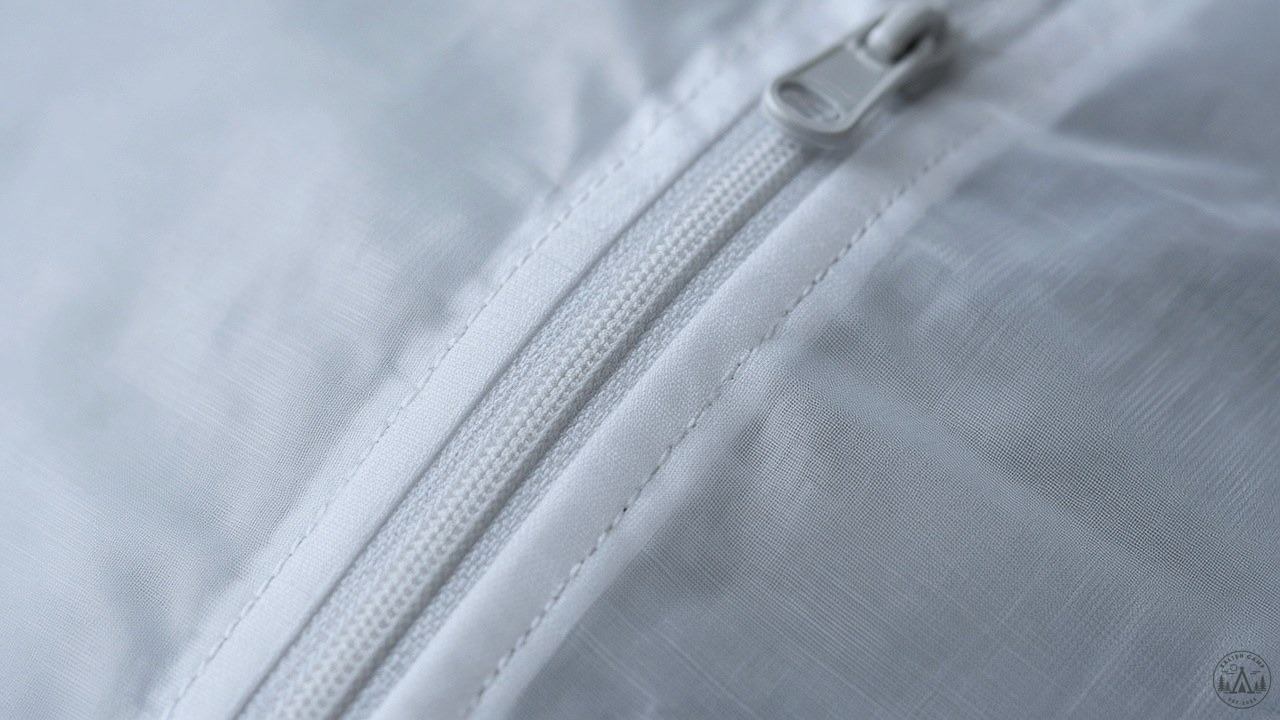
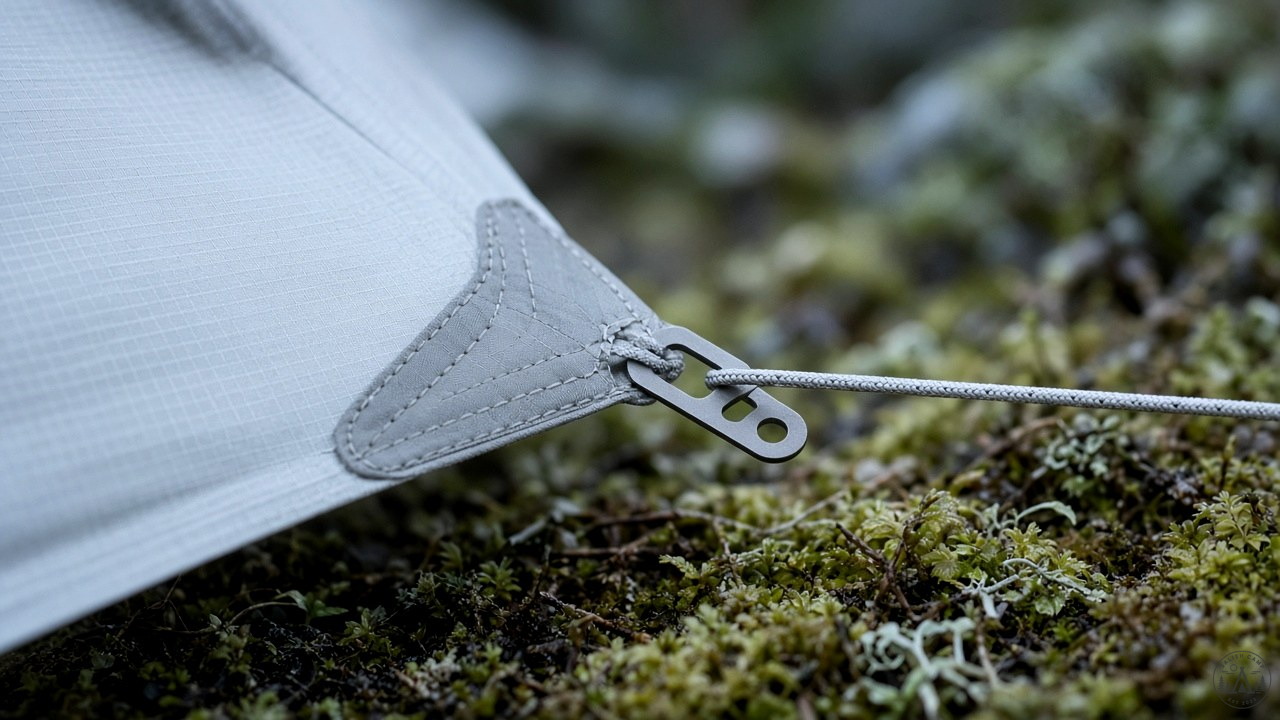
The basic setup process is straightforward. First, choose a campsite carefully. Clear away sharp sticks, rocks, and debris that could damage the fabric or create uncomfortable pressure points beneath the floor. Lay out the tent, stake the four corners, adjust your trekking poles to the appropriate height, and raise the structure using the reinforced peak positions. After that, tension the vestibules and side panels until the shelter is evenly supported.
The most common beginner mistake is creating a loose pitch. A trekking-pole tent depends on tension. If one corner is loose or one guyline is significantly tighter than another, the shelter can feel smaller and less stable. The goal is not simply getting the tent upright; the goal is creating a balanced structure where the fabric panels are smooth and evenly supported.
I found that the Unbound 2 rewards a few extra minutes of setup. When pitched correctly, the interior feels significantly larger than its weight suggests. The sidewalls create usable space around shoulders and feet, which matters during rainy days when you spend more time inside. A lightweight shelter that is miserable to sit in during bad weather quickly loses its appeal, but the Unbound 2 provides enough livability to wait out a storm or organize gear comfortably.
For two people, the sizing is practical but requires realistic expectations. Two average-sized backpackers with lightweight sleeping systems can share it comfortably. Two people carrying bulky winter bags, oversized pads, and lots of clothing will find the space limited. My preferred use is either a comfortable solo shelter with extra room or a two-person shelter for hikers who already understand efficient packing.
The floor dimensions and vestibule layout are especially useful in the Pacific Northwest. Rainy mornings are common, and having protected areas for muddy shoes, wet jackets, and backpacks prevents the sleeping area from becoming cluttered. The vestibules are large enough for normal backpacking equipment but are not intended as living rooms.
Weather performance is where the Unbound 2 stands out. Dyneema Composite Fabric does not absorb water the way many traditional fabrics do, so the shelter does not become significantly heavier after rain. During long wet trips, that matters. Packing a soaked nylon tent can add noticeable weight, while the Unbound 2 remains relatively consistent.
The shelter handles rain extremely well when pitched properly. The bathtub floor helps keep water from running into the sleeping area, and the raised sidewalls reduce splash exposure. However, no lightweight shelter eliminates the need for good campsite decisions. Avoid low areas where water can collect, avoid exposed locations during severe storms, and always consider overhead hazards such as unstable branches.
Condensation is the topic every single-wall tent owner needs to understand. The Unbound 2 has ventilation features designed to improve airflow, but physics still applies. In humid Washington environments, especially cool nights near lakes or forests, moisture from breathing and damp ground can create condensation. The solution is not a special trick—it is proper site selection, ventilation, and realistic expectations.
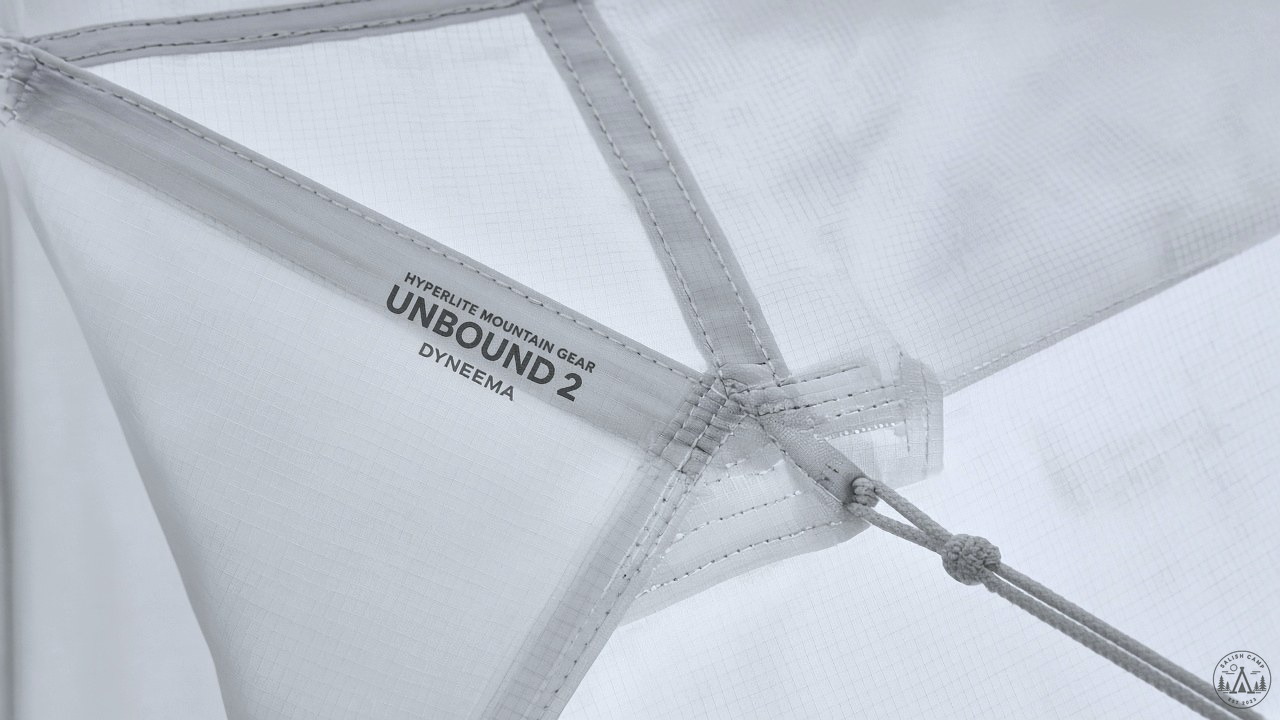
I try to maximize airflow whenever conditions allow. Opening vestibule vents, avoiding pitching directly beside wet vegetation, and allowing air movement around the shelter all help. Beginners often make the mistake of sealing every opening during mild weather and then wondering why the interior becomes damp.
Temperature range is another important consideration. The Unbound 2 is a three-season backpacking shelter. It is excellent for spring, summer, and fall trips throughout much of the Pacific Northwest. It is not designed as a dedicated winter mountaineering shelter for heavy snow loading or extreme alpine storms. Understanding that boundary is part of using lightweight equipment responsibly.
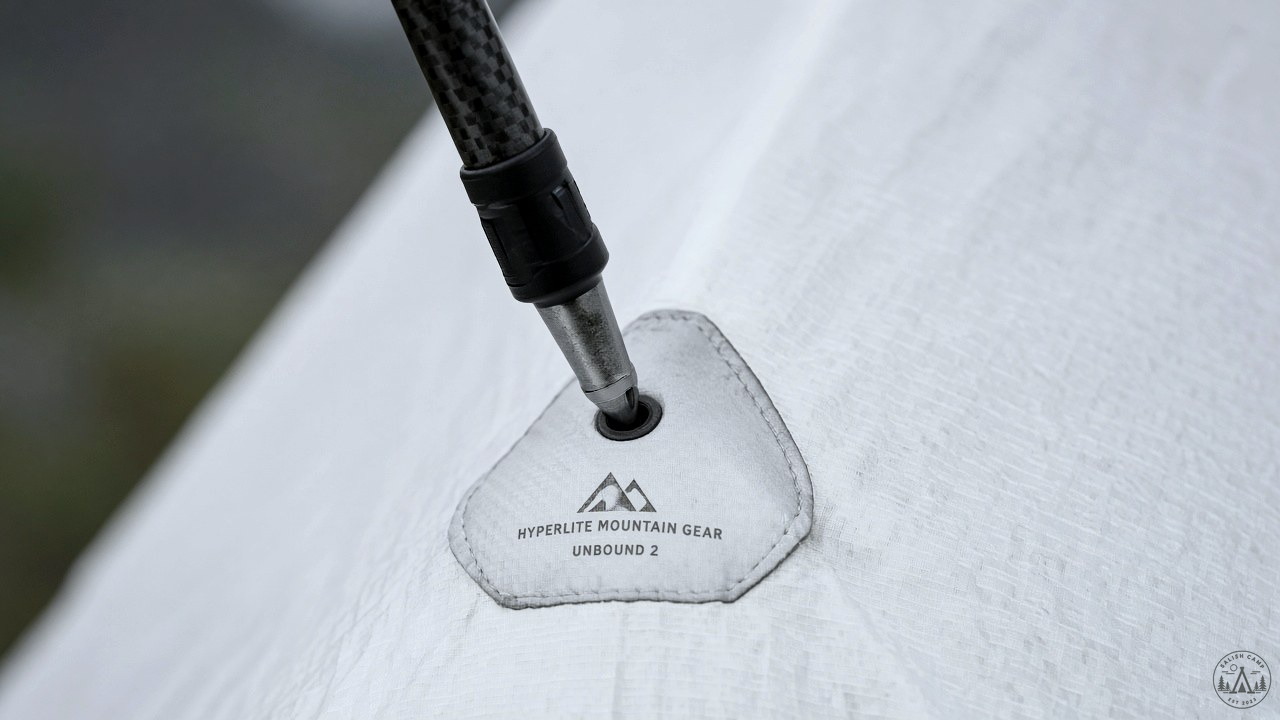
The material itself deserves careful handling. Dyneema is impressively strong for its weight, but “strong” does not mean indestructible. I avoid dragging the shelter across rough ground, storing it dirty, or packing it wet for long periods. After trips, I inspect tie-out points, zippers, and areas where trekking poles contact the structure.
Cleaning is simple. A dry sunny day is ideal for maintenance. Light dirt can usually be removed with water and gentle cleaning. For heavier grime, mild non-detergent soap and careful rinsing are appropriate. The most important maintenance habit is ensuring the tent is completely dry before long-term storage.
Another consideration is compatibility with the rest of your gear. The Unbound 2 assumes you are already carrying trekking poles. If you do not hike with poles, the total cost and weight calculation changes because you need to add them. The same principle applies throughout an ultralight kit: each item influences the others.
A compact cooking setup such as the Soto WindMaster review (Soto WindMaster review) complements the same philosophy. The goal is not owning the lightest individual object; it is building a complete system where everything works together efficiently.
The Unbound 2 is also not the best choice for every camper. Someone who primarily car camps, attends organized campgrounds, or wants instant setup after arriving in the dark may prefer a traditional freestanding tent. Someone hiking long-distance routes, weekend mountain trips, or remote backcountry adventures will better appreciate what the shelter offers.
Pros & Cons
Pros
- Extremely lightweight for a fully enclosed two-person shelter.
- Premium Dyneema Composite Fabric construction.
- Excellent waterproof performance and wet-weather durability.
- Compact packed size compared with traditional tents.
- Large vestibules improve gear organization.
- Strong interior efficiency for the weight.
Cons
- High price at approximately $795.
- Not freestanding and requires setup practice.
- Trekking poles and stakes may require separate purchase.
- Condensation management requires attention.
- Less forgiving for beginners than traditional tents.
- Not designed for extreme winter expedition use.
Technical Specifications
| Category | Details |
|---|---|
| Product | Hyperlite Mountain Gear Unbound 2 Tent |
| Capacity | Two-person ultralight backpacking shelter |
| Material | Dyneema Composite Fabric canopy and floor |
| Approximate weight | Approximately 24 ounces depending on configuration |
| Price | Approximately $795 |
| Structure | Non-freestanding trekking-pole-supported design |
| Poles | Uses two compatible trekking poles; poles not included |
| Stakes | Typically purchased separately |
| Season rating | Three-season backpacking shelter |
| Best use | Ultralight backpacking, long-distance hiking, shoulder-season trips |
| Maintenance | Dry completely, inspect tie-outs and seams, clean gently as needed |
Final Thoughts
The Hyperlite Mountain Gear Unbound 2 succeeds because it solves a specific backpacking problem: how to carry a genuinely protective shelter without accepting the weight penalty of traditional tents. After using it in Pacific Northwest conditions—wet forests, cool mountain mornings, exposed campsites, and long backpacking approaches—the value of the design becomes clear.
The evidence is in the tradeoffs. Compared with a conventional two-person freestanding tent, the Unbound 2 is significantly lighter and packs smaller, but it requires more setup skill and better campsite awareness. Compared with an open tarp shelter, it provides far more protection, privacy, and bug resistance. Compared with heavier four-season shelters, it saves substantial weight but has clear seasonal limits.
The biggest strengths are measurable: approximately 24 ounces of shelter weight, waterproof Dyneema construction, dual vestibule storage, and a design that integrates with trekking poles already carried by many backpackers. The biggest compromises are equally clear: a premium price, a learning curve, and the responsibility of managing ventilation and site selection.
I would recommend the Unbound 2 to backpackers who regularly travel with lightweight systems, value miles over maximum convenience, and want a shelter that performs well across the varied conditions common in the Pacific Northwest. I would not recommend it as a first camping shelter for someone who wants a simple freestanding tent with minimal setup knowledge.
For the right user, the Unbound 2 represents exactly what ultralight gear should do: remove unnecessary weight while preserving the things that matter. It does not make backpacking effortless, but it makes carrying your shelter noticeably easier. In combination with a thoughtful pack, efficient cooking system, and disciplined gear choices, it creates a refined backcountry setup that feels lighter without feeling compromised.