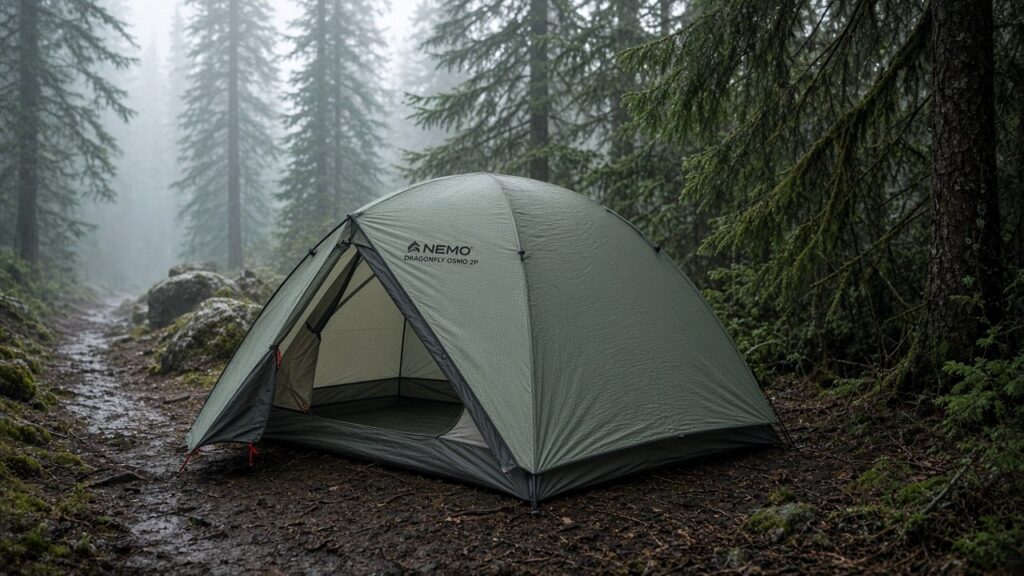
Buy if you want a genuinely freestanding two-person shelter with polished livability for wet shoulder-season weekends. Skip if your priority is the absolute lightest shelter or you mostly camp solo under a tarp.
What Stands Out
- Freestanding geometry makes rocky, rooty, and compacted Seattle-area sites much easier to use.
- OSMO fabric balances low stretch in humidity with useful water repellency and a reassuring hand.
- High-volume pole architecture gives two sleepers room to sit up and sort wet layers.
- Two doors and two vestibules make midnight exits and cooking-adjacent organization civilized.
- Color-coded clips and a logical pole hub make first setup approachable for newer backpackers.
- Interior pockets, light-diffusing details, and well-placed vents show unusually careful design.
In The Field
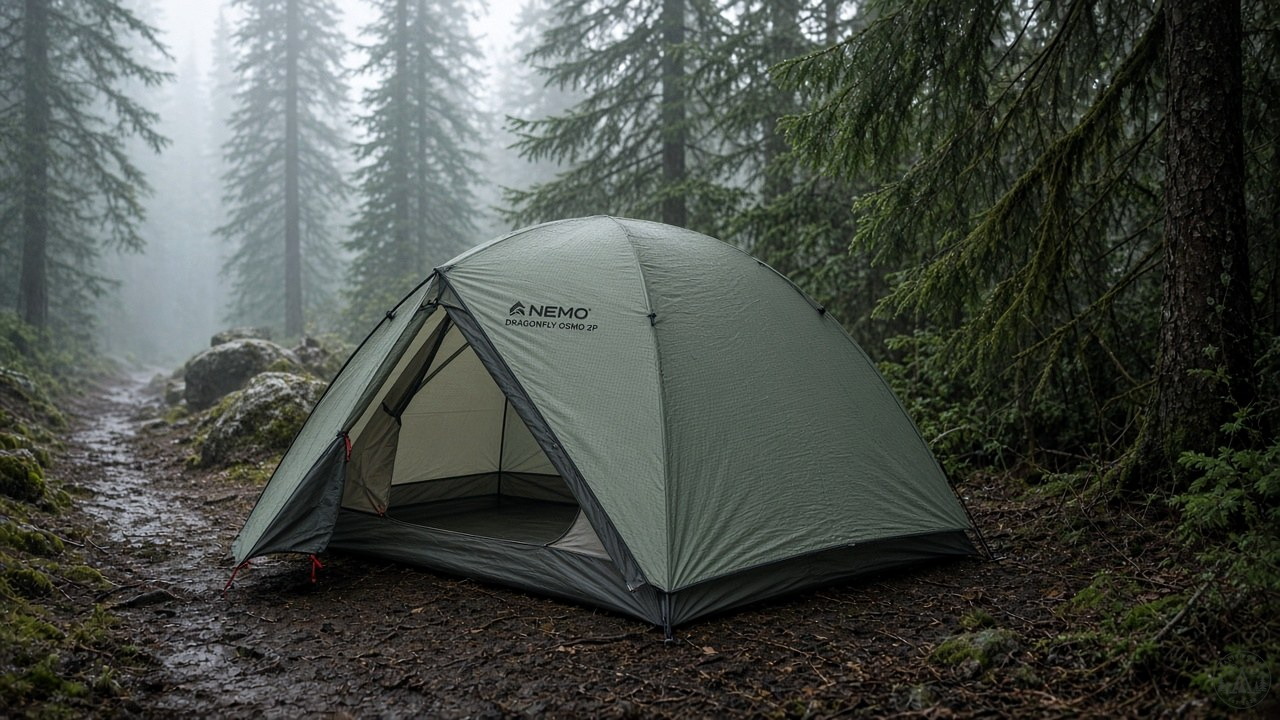
I have used the Dragonfly as the kind of tent that gets chosen after looking at the forecast rather than before looking at a spreadsheet. On a damp Friday evening outside North Bend, freestanding structure mattered immediately: I could assemble it on a narrow patch of duff, move it a few inches away from a root, and square the doors toward the view without first driving a perfect set of stakes. That is not a party trick. In the Pacific Northwest, good campsites are often bounded by rocks, roots, puddles, and other people’s established tent pads. A tent that can stand while I refine its position saves time and keeps the sleeping area out of the worst runoff.
The first question a novice usually asks is whether two-person capacity means two comfortable adults or two people who merely fit. Here it is the former, with a qualification: comfort depends on how much clothing and wet gear you bring inside. The rectangular floor gives two regular-width sleeping pads a sensible home, and the near-vertical sidewalls keep shoulders from feeling pinched. I can sit up near the middle without brushing the ceiling, change a shirt, and reach a partner for a headlamp. Tall sleepers should still measure their pads and sleeping bags, because usable length shrinks near the tapered corners.
Setup is refreshingly teachable. The main pole assembly has a clear hub, the clips follow a sensible sequence, and the fly’s attachment points are easy to identify in low light. I recommend laying the body flat, connecting the pole tips, clipping the canopy, then adding the fly before tensioning the corners. On a windy beach or exposed ridge, I stake the windward corners first and keep one hand on the fly. The tent will stand without every guyline, but a freestanding shelter is not a windproof shelter; the supplied guylines become part of the structure when gusts arrive.
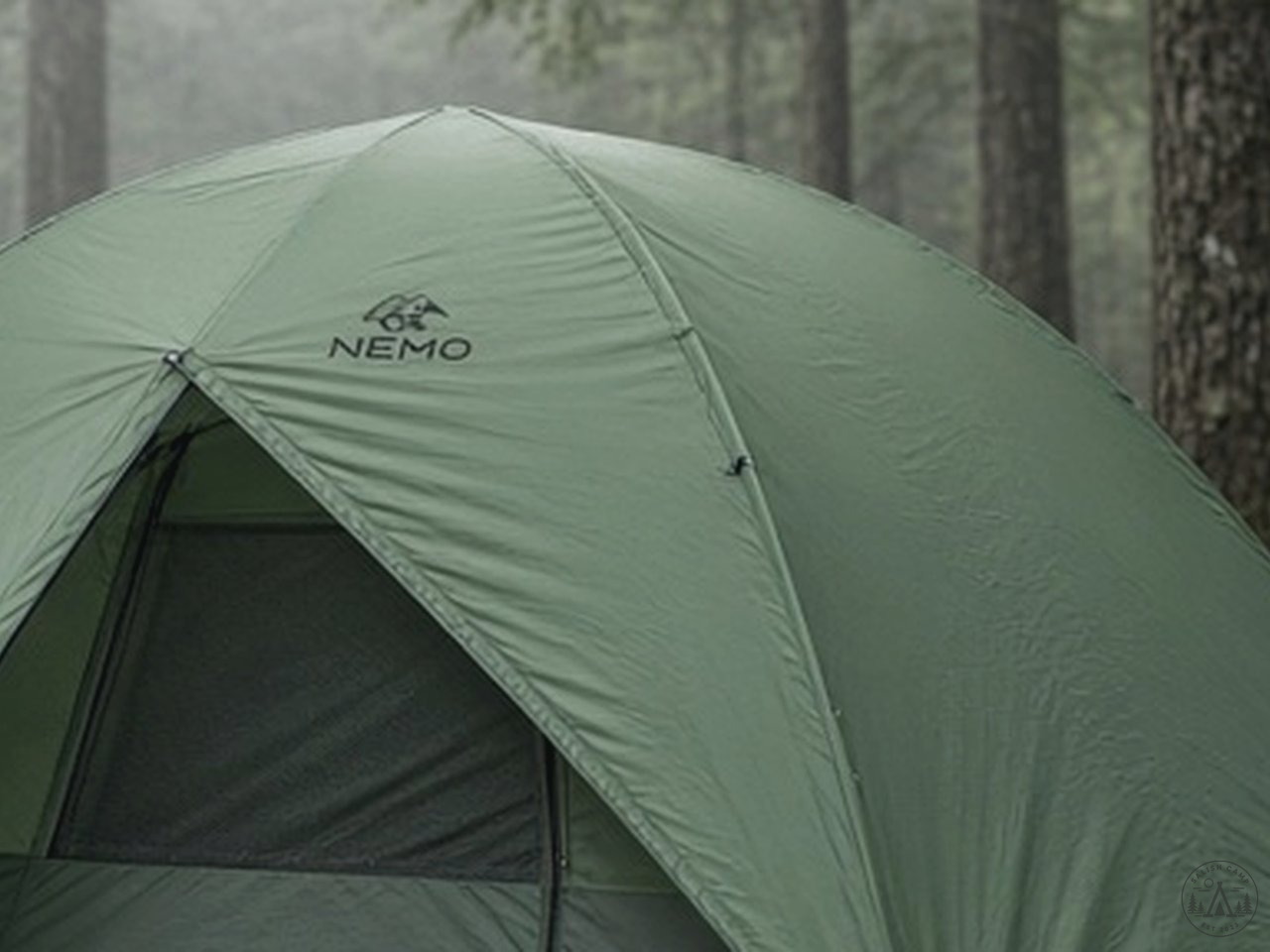
OSMO is the heart of the design story. In a wet climate, a fabric that changes less as humidity rises makes it easier to wake up to a fly that is still tensioned rather than sagging onto the mesh. I do not treat that as permission to skip ventilation or maintenance. Any woven fabric can wet out after long exposure, and condensation can look like a waterproofing failure when it is actually warm breath meeting a cold fly. I leave the upper vents open, keep the doors cracked under the vestibule awning when weather permits, and wipe or air-dry the shelter before long storage.
The rainfly and vestibules are practical instead of merely symmetrical. Each door rolls back cleanly, and the vestibule floor area is enough for shoes, a small pack, and a wet shell without turning the entry into an obstacle course. When I am cooking, I keep the stove outside the vestibule and well away from fabric; the vestibule is for protected transitions, not an indoor kitchen. A novice may wonder why two vestibules matter on a two-person tent. The answer is that each person gets an exit, storage zone, and decision about which side catches less rain.
Ventilation is where three-season tents earn their keep in Seattle’s shoulder seasons. The mesh canopy provides airflow, the doors can be opened in stages, and the fly’s vents let warm moist air escape. On a cool night near Mount Rainier I still found a film of moisture on gear that had been left against the fly, but the interior air felt less stagnant when the high vents were open. The fix is simple: avoid touching the fly with a sleeping bag, spread damp clothing in the vestibule, and treat the tent as a system that needs airflow rather than as a sealed waterproof capsule.
The small features become more important after several nights. Interior pockets keep glasses and a phone off the floor, attachment points let me hang a light where both sleepers can find it, and the lamp-friendly diffuser avoids the harsh glare of a bare headlamp. These are not reasons to buy a tent by themselves. They are evidence that the Dragonfly was designed around the boring minutes of camp: finding socks before dawn, storing a map, and preventing a water bottle from rolling under a pad.
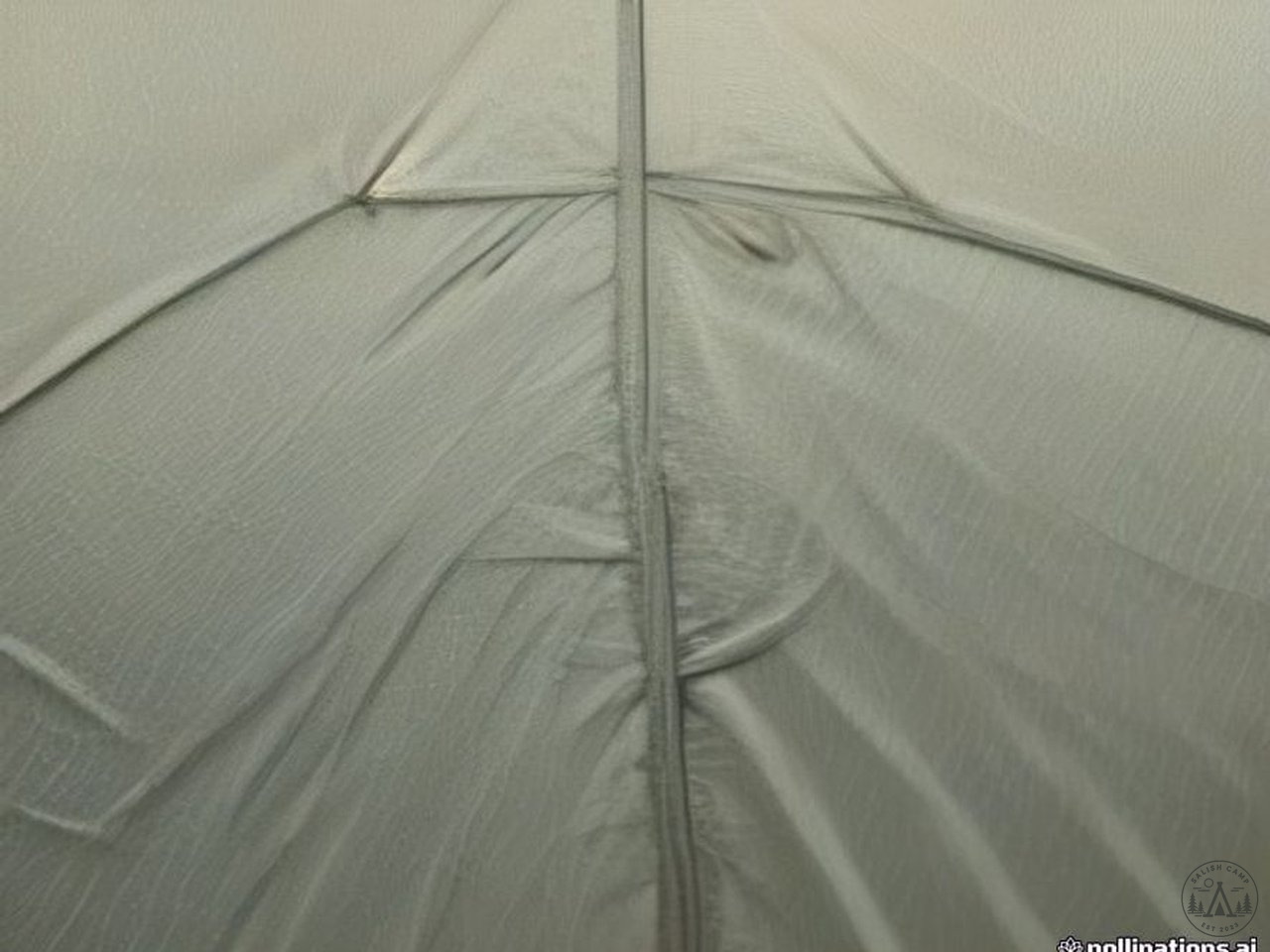
On a trip with a newer backpacker, the Dragonfly also made teaching easier. I could explain the difference between canopy and fly, show why the bathtub floor needs to stay inside the drip line, and point out which guylines actually change the roof tension. The clips do not require unusual strength. If a part feels stuck, I stop and check alignment rather than forcing it. Learning these habits matters more than shaving a minute off setup, especially because a bent pole or torn clip usually comes from rushing in the rain.
The weight question deserves honesty. About three pounds two ounces is reasonable for a comfortable two-person freestanding tent, but it is not a tiny load. Split between partners, it becomes an easy argument: one person carries poles and fly while the other carries body and stakes. Solo, I notice it in a frameless pack more than I notice the tent’s excellent interior. For comparison, the trekking-pole Durston X-Mid 2 review is about a different kind of efficiency: lower listed weight and a different setup philosophy in exchange for more dependence on stakes and pole technique.
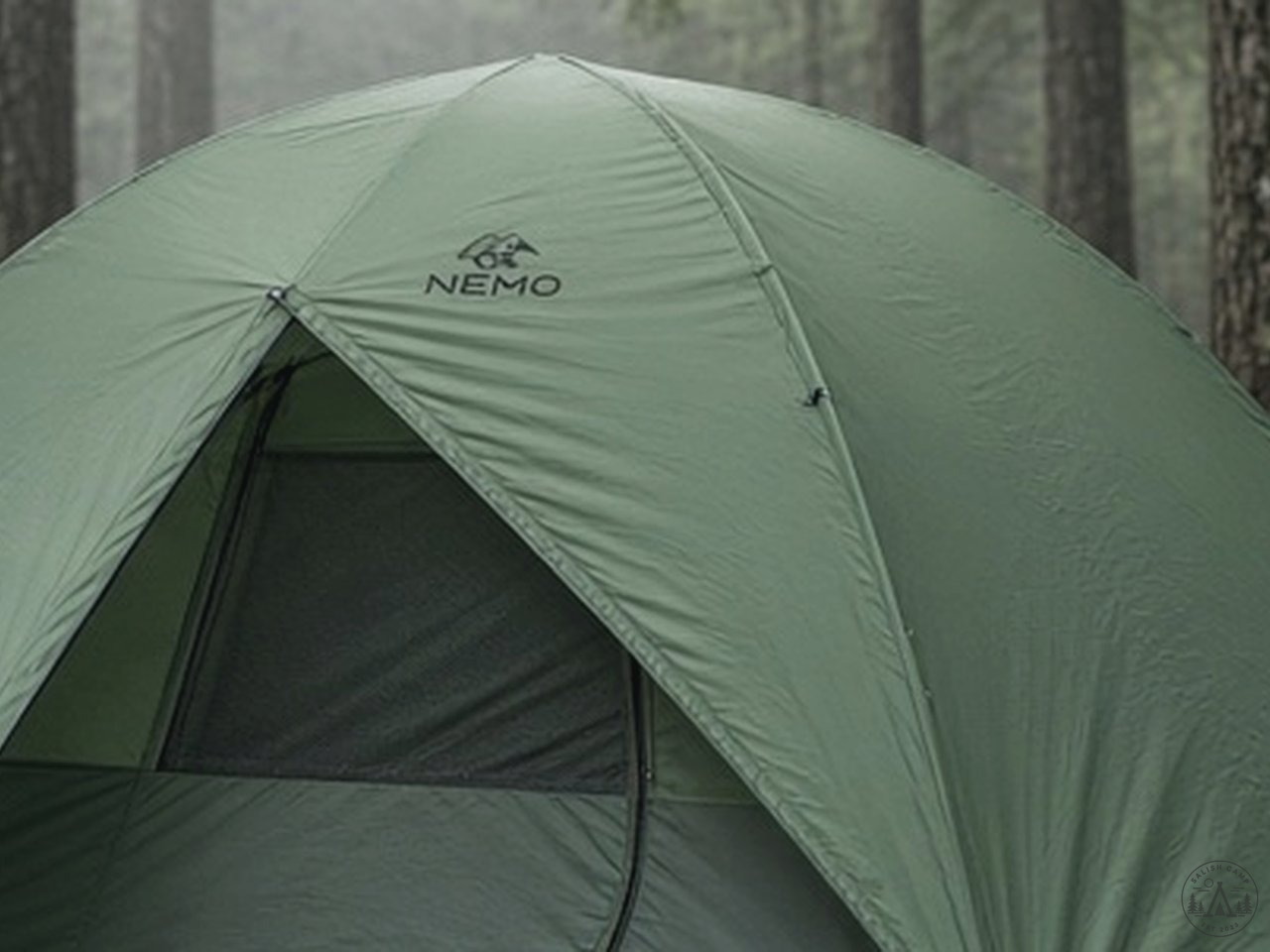
Packing is easiest when the canopy is shaken free of leaves, the fly is wiped or briefly dried, and the poles are stored separately from the wet fabric. I avoid stuffing a muddy tent into its sack with the same care I use with a down bag. At home, I open everything fully and store it loose and dry. If you are new to backpacking, this routine prevents the musty smell and coating damage that people sometimes blame on a tent’s waterproofing. The Dragonfly’s premium materials deserve ordinary maintenance, not precious treatment, but they do need to dry.
In wind, the rounded profile and multiple guy points provide a reassuring starting point, while the freestanding frame keeps the load path intuitive. I still pitch the narrow end into the forecast wind, add guylines before the front arrives, and lower expectations on a fully exposed ridge. A two-person three-season tent is not a mountaineering shelter. The same is true of every product in this batch: the Snow Peak Amenity Dome M review is the better direction for car-camp comfort, while this Dragonfly is the better compromise when the tent must travel on a back.
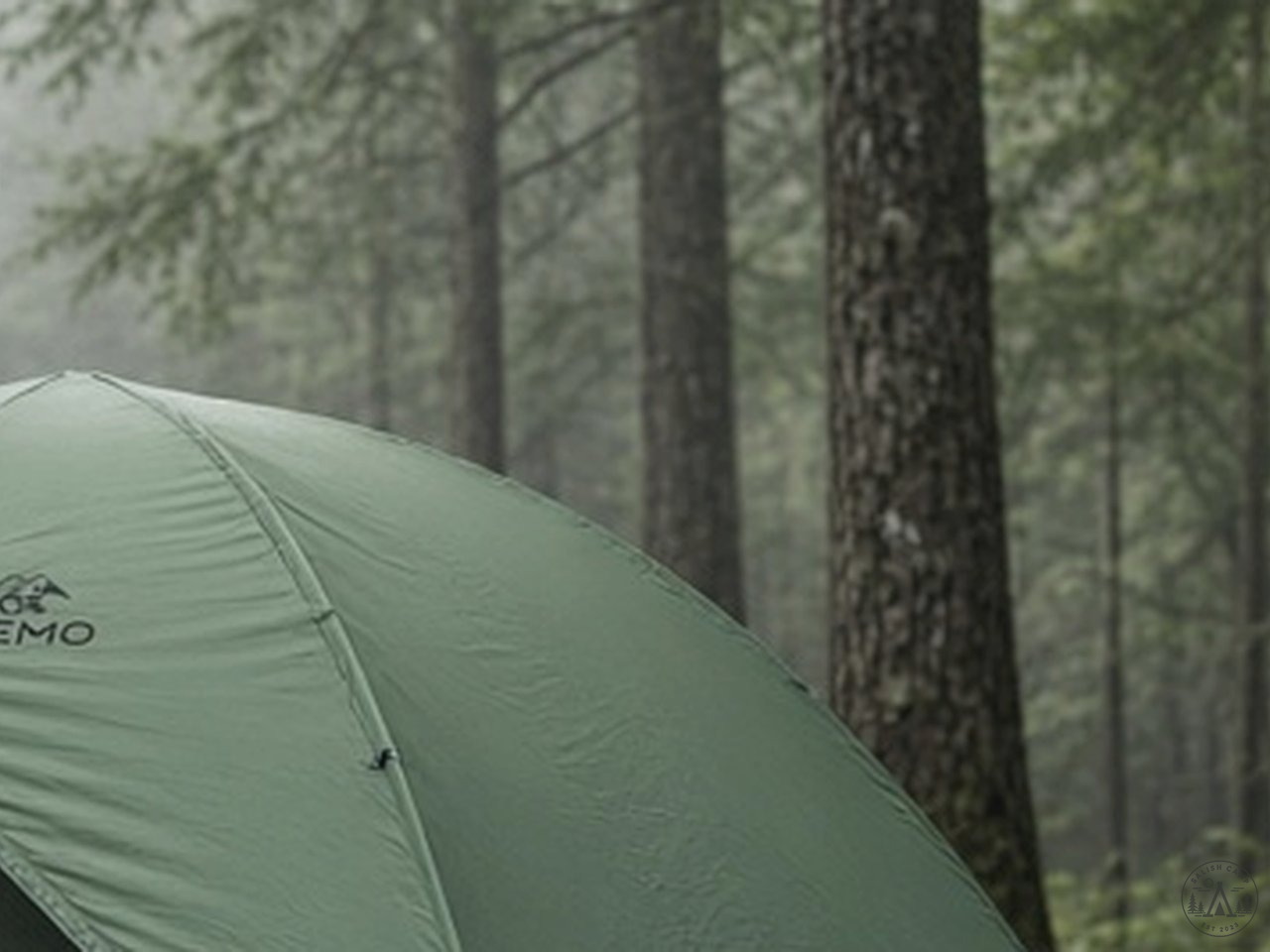
The floor is high enough to shed splashes from ordinary wet ground, but site selection remains a skill. I look for a slight crown, clear drainage, and a place where the fly can drip away from the door. I never dig a trench around the tent or camp in a depression simply because the footprint fits. A footprint can protect from abrasion, but it cannot turn a puddle into a good campsite. The Dragonfly’s floor is a useful barrier, not a substitute for reading terrain.
For two people, livability changes the experience of a trip. After a long day on the Olympic Peninsula, I can sit inside, sort a stove-free dinner, and wait out a shower without feeling like I am wearing the ceiling. That room also makes a difference when one person is new to camping and needs a calm place to change layers. Solo, the tent feels luxurious rather than efficient. Whether that is worth it depends on how often you share shelters and whether a reliable freestanding pitch is worth carrying.
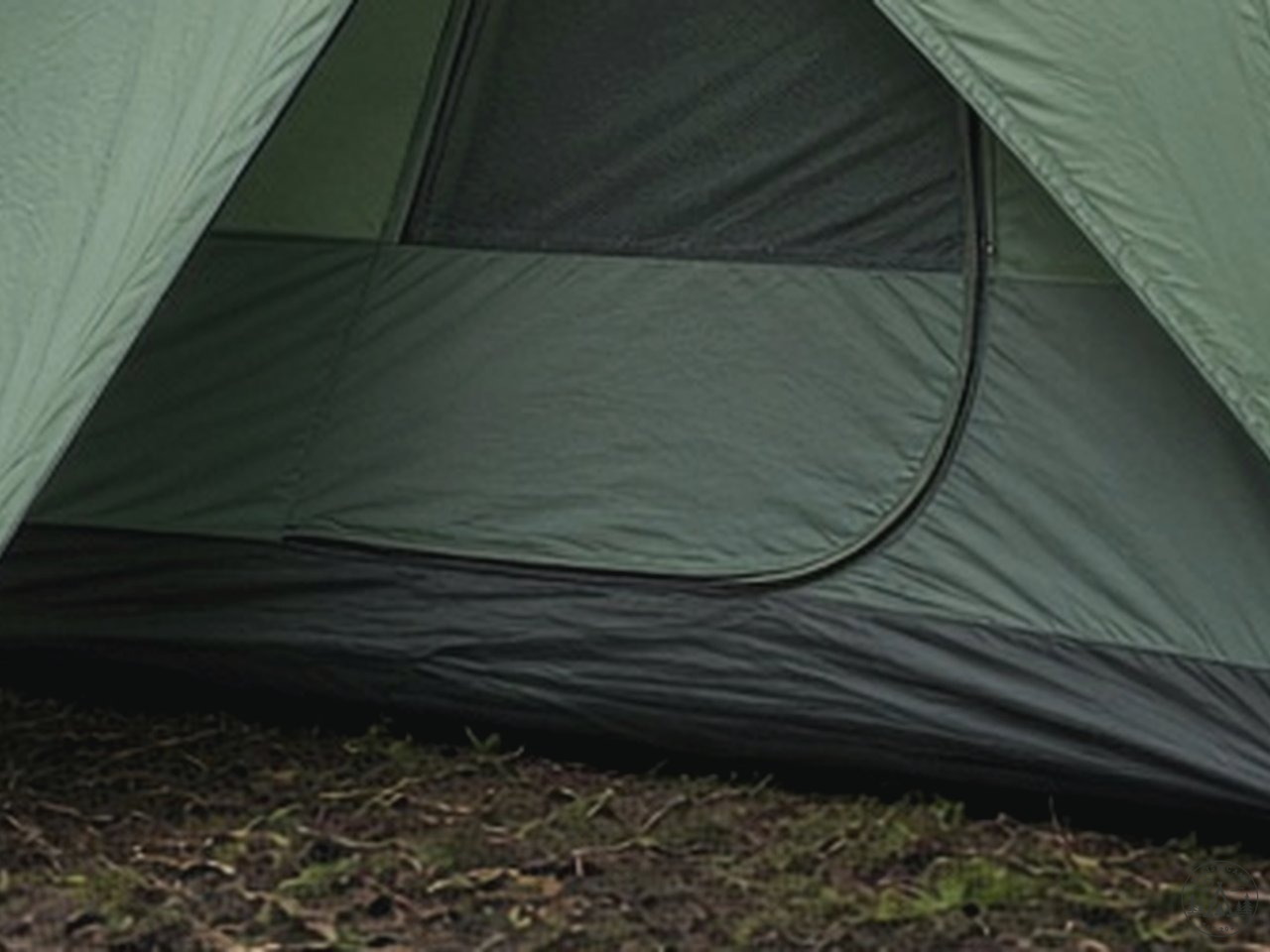
My field notes are deliberately less dramatic than a marketing claim. The value is in repeatable behavior: predictable clips, stable tension as moisture changes, doors that open without wrestling, and enough interior height to use the tent as shelter rather than a fabric envelope. The OSMO fabric is a component in that result, not magic. Keep sharp objects away from the floor, use the vents, dry the tent, and the design should reward regular weekend use.
The comparison set also clarifies what this tent is not. The Big Agnes Copper Spur HV UL2 review explores a high-volume ultralight approach with a similar two-door audience, while the MSR Hubba Hubba NX 2 review leans into familiar durable freestanding practicality. The Dragonfly sits between them: more polished and technical than a basic dome, but more straightforward and ground-forgiving than a trekking-pole shelter. That middle position is exactly why it works for many Northwest backpackers.
On my final morning I can pack the Dragonfly without a special trick: shake off the fly, separate wet layers, fold the body loosely, and keep the poles from poking the fabric. The real test is how little mental energy the tent demands. I can spend attention on route finding, weather, and coffee instead of diagnosing a strange pitch. For a novice, that lowers the barrier to going out. For an experienced camper, it buys a little more comfort without making the shelter feel like a base-camp object.
Pros & Cons
Pros
- Freestanding setup is forgiving on difficult ground.
- Excellent balance of weight, headroom, and usable vestibule space.
- OSMO fabric feels stable in damp Pacific Northwest conditions.
- Two-door layout reduces partner friction.
- Thoughtful pockets and attachment points.
Cons
- Not an ultralight shelter at this price.
- Packed pole length is less friendly to minimalist packs than trekking-pole designs.
- Large mesh areas require care around abrasive brush.
- Premium price needs regular seam and fabric maintenance.
Technical Specifications
| Packed weight | Approx. 3 lb 2 oz / 1.42 kg |
|---|---|
| Capacity | 2 people |
| Structure | Freestanding, hubbed aluminum pole system |
| Fabric | OSMO ripstop canopy and rainfly |
| Doors / vestibules | 2 / 2 |
| Season | Three-season |
| Floor shape | Rectangular with raised bathtub perimeter |
| Best use | Backpacking, wet shoulder seasons, weekend basecamps |
Final Thoughts
Nemo Dragonfly Osmo 2P is best understood as a deliberate set of trade-offs rather than a universal winner. The field evidence points to a shelter that matches its stated role, and the limitations are easy to plan around when the buyer chooses the right trips. I would buy it for the use case in the verdict, maintain it with a dry-storage routine, and pair it with sound site selection and weather judgment.
For a broader kit, I would cross-shop the Hyperlite Unbound 2 for pack context, the Soto WindMaster for wet-weather cooking, and the Hyperlite Southwest 40 when refining carried weight. A comfortable shelter also makes a small Helinox Chair Zero feel worth considering at camp, but the shelter should come first. The right choice is the one that gets used often, pitches safely, and leaves enough energy to enjoy the Northwest around it.