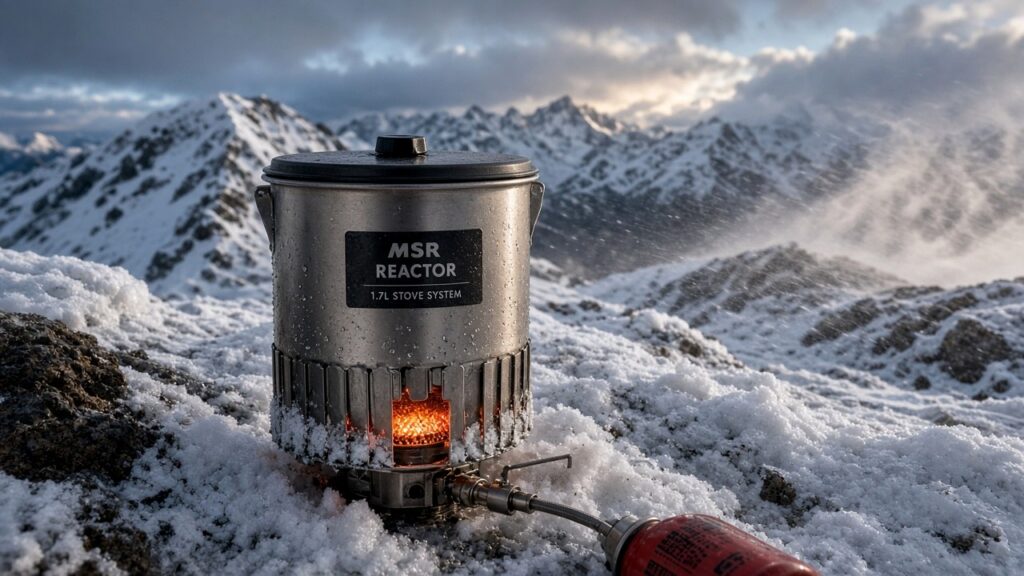
Buy if you spend significant time in exposed alpine camps, regularly cook for two or more people, melt snow, or want a dedicated high-output system where wind resistance and predictable boiling matter more than minimum pack weight. Skip if your trips are mostly sheltered, solo, and focused on minimizing every ounce, or if you want a more general-purpose cooking setup rather than a system built around rapid boiling and snowmelt.
What Stands Out
- 1.7-liter capacity gives the Reactor enough volume for group water duty and snowmelt without moving into the larger footprint of an expedition-oriented system.
- 3-minute one-liter boil time gives the 14269 a useful speed advantage when the objective is getting water hot rather than spending time cooking elaborate meals.
- Stainless radiant burner and heat-exchanger pot are the defining components of the Reactor system, concentrating the design around efficient heat transfer and wind-resistant operation.
- Approximately 22 liters of water per 227 g canister makes the Reactor particularly well suited to trips where multiple liters of water may need to be produced from fuel.
- 1 lb 1 oz / 0.49 kg minimum weight is a deliberate trade for the Reactor’s integrated performance; this is a substantial stove system rather than a minimalist burner.
- 5.8 × 5.4 × 6.7-inch dimensions keep the 1.7L system relatively compact despite its larger cooking capacity and integrated construction.
- ~80-minute burn time per 227 g gives the system meaningful capacity for repeated boiling sessions, particularly useful on cold-weather trips and multi-person outings.
In The Field
The first time I really appreciated the MSR Reactor 1.7L was not on a calm summer evening. It was the kind of Cascades outing where the weather makes every small camp task take longer than it should. The air was cold, the site was exposed, and the wind had enough bite that standing around waiting for water to boil was not something I particularly wanted to do.
That is the environment where the Reactor makes the most sense to me.
The 1.7L system is not subtle. At 1 lb 1 oz minimum weight, it is considerably more substantial than a minimalist cooking setup, but the point is not to win an ounce-counting competition. The point is to carry a purpose-built system that combines the stove and pot around a high-output radiant burner and heat-exchanger design.
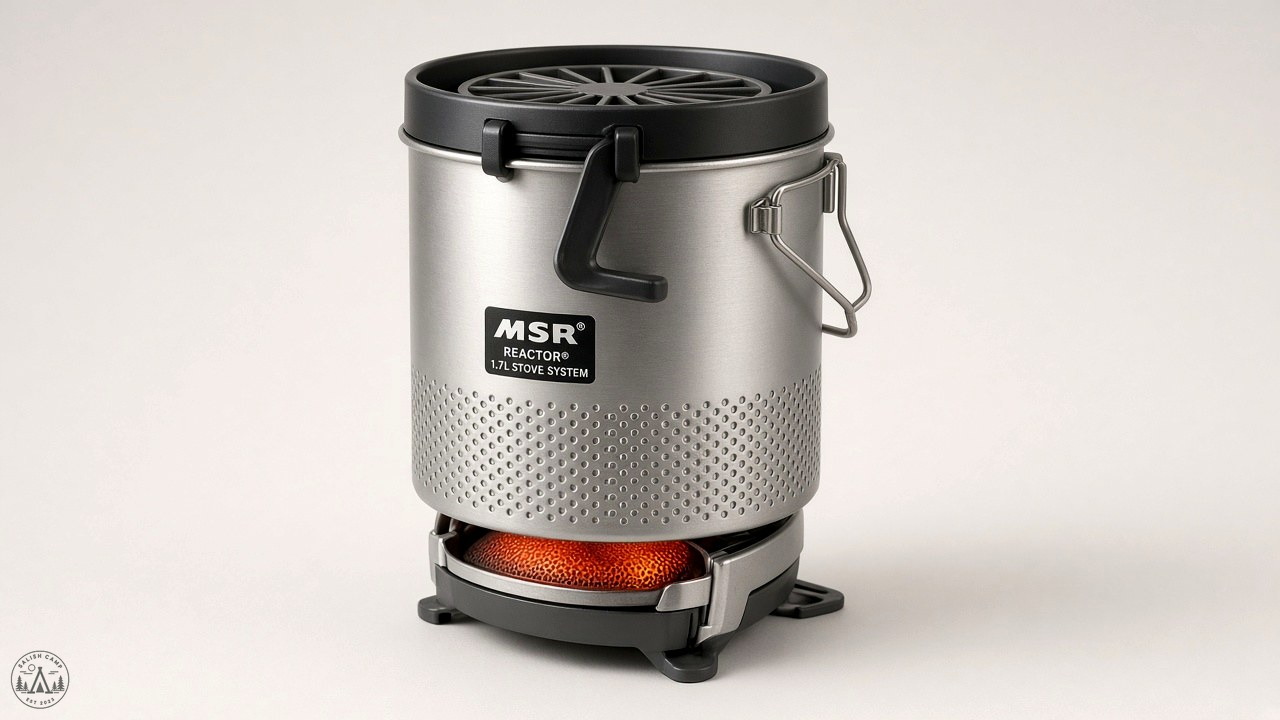
For someone new to the Reactor, setup is straightforward, but I would still recommend practicing once at home before taking it into the mountains. Novice users often make stove setup more complicated than it needs to be because they are trying to assemble everything while cold, hungry, or wearing gloves.
Start with a stable, level cooking surface. Attach the isobutane canister carefully, make sure the connection is secure, and position the system so the pot will sit properly. I like to establish the cooking area before I even think about lighting the stove. That means clearing loose debris, making sure the pot will have a stable base, and keeping anything that could be damaged by heat away from the burner.
Once the system is ready, the operation is refreshingly simple: fuel, ignition, pot, water.
That simplicity matters in the Cascades. A stove can be technically easy to operate while still becoming frustrating when you are trying to manipulate tiny components with cold fingers. The Reactor’s integrated nature reduces the number of pieces I have to keep track of at camp.
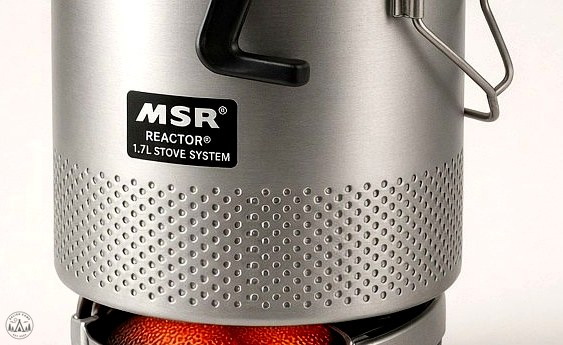
The 1.7-liter pot is also a meaningful size for the way I tend to think about mountain cooking. If I am alone, I do not necessarily need that much capacity. With two people, however, the additional volume becomes much more useful.
A liter of boiling water can cover multiple meals or drinks, and the larger capacity gives me room to work when the goal is producing water rather than preparing a single small serving.
That is especially important for snowmelt.
Snowmelt is one of those tasks where stove performance becomes much more consequential than it initially appears. You are not simply heating cold water. You are starting with snow and turning it into a useful quantity of liquid water, which takes time and fuel. When the weather is cold and windy, inefficient heat transfer can make the process feel endless.
The Reactor’s 1.7-liter capacity and heat-exchanger pot make it well suited to this kind of work.
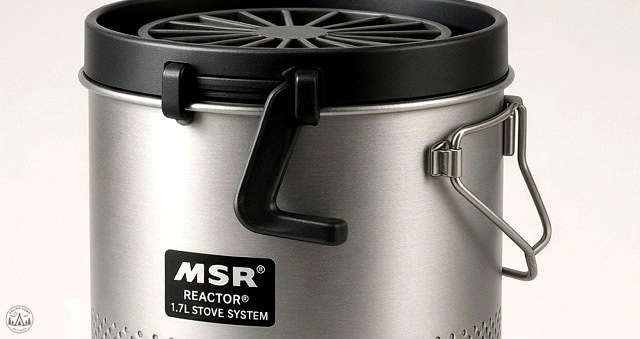
My preferred approach to snowmelt is to start with a small amount of liquid water in the pot rather than trying to melt a completely full pot of snow from the beginning. I add snow progressively as it collapses into the water. It is easier to manage, keeps the bottom of the pot from being exposed to dry snow for extended periods, and makes it easier to monitor how much usable water I actually have.
This is also where a novice can get into trouble by becoming impatient.
Do not simply pack the pot full and walk away. Stay with the stove, monitor the process, and keep the snow additions manageable. The Reactor is doing the heating, but you are still responsible for operating the cooking system safely.
The 3-minute one-liter boil specification is useful context here. It gives me an expectation of what the system is designed to accomplish under the stated fuel conditions, but I do not treat a published boil time as a promise that every mountain morning will produce exactly the same result. Water temperature, ambient conditions, wind, and fuel conditions all influence what happens in the field.
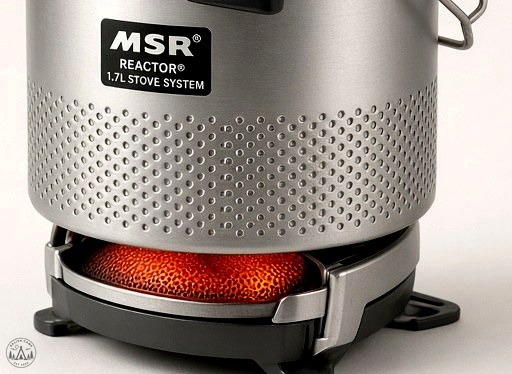
The important thing is that the Reactor feels purpose-built for difficult boiling conditions.
That is the central difference between using it in the Cascades and using a basic cooking setup on a warm, sheltered summer trip. When the surrounding environment is working against the stove, the Reactor’s radiant burner and heat-exchanger pot are doing exactly the job I want the system to do.
I also like the 1.7L capacity for group use because it changes the rhythm of camp. Rather than repeatedly heating small quantities of water, I can produce a larger batch and distribute it among meals and drinks.
That becomes particularly useful on colder mornings. Coffee, oatmeal, and a dehydrated meal can consume a surprising amount of time when everyone is waiting for water. A system designed around rapid boiling makes that process feel much more organized.
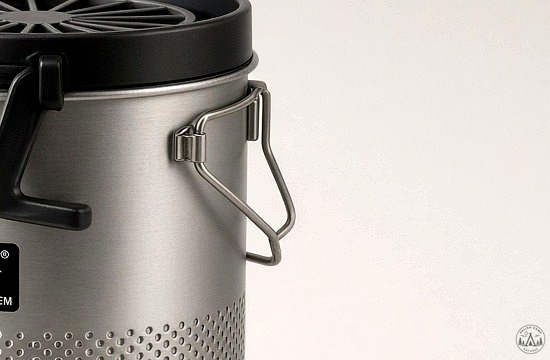
There is, however, an important distinction between boiling and cooking.
The Reactor 1.7L is at its best when I treat it as a high-performance boiling system. If my camp menu revolves around boiling water for meals, drinks, and snowmelt, its design makes obvious sense. If I wanted a cooking system primarily for elaborate preparation, I would want to think more carefully about whether this specialized configuration matched that style of camp cooking.
For my PNW trips, that is not necessarily a problem. Much of my mountain cooking is about getting hot water quickly, especially when the weather is poor. The Reactor’s specialization lines up well with that use.
The weight is the other consideration I notice every time I pack it.
At 1 lb 1 oz minimum weight, I cannot pretend the Reactor is ultralight. It is not. But the weight needs to be considered alongside the 1.7-liter capacity, integrated construction, stainless radiant burner, heat-exchanger pot, and fuel performance.
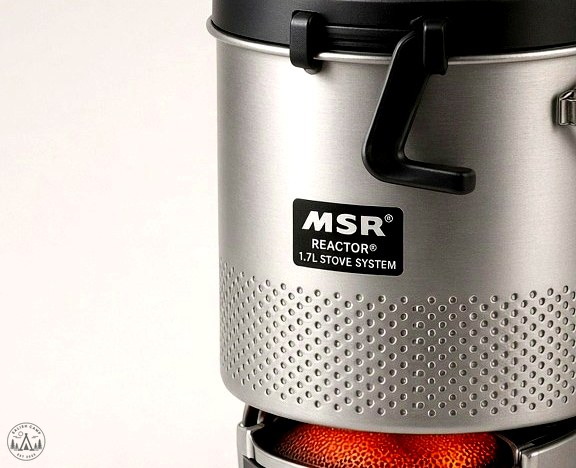
That is why I would not evaluate the Reactor solely by putting its weight next to the lightest possible stove system. The more relevant question is whether I need what the Reactor provides.
For an exposed Cascades camp, the answer can be yes.
For a simple summer overnight where I am carrying only enough equipment to boil a modest amount of water, the equation is different.
The fuel numbers are another reason I see the Reactor as a system for serious repeated use. MSR specifies approximately 80 minutes of burn time per 227 g and approximately 22 liters of water per 227 g canister. That gives me a useful planning framework for longer trips.
I still would not plan a winter trip by assuming the theoretical fuel consumption will translate perfectly to field conditions. Snowmelt, cold temperatures, wind, and repeated heating cycles can change actual fuel requirements. I would rather have a margin than discover that my final meal depends on getting every last minute from a canister.
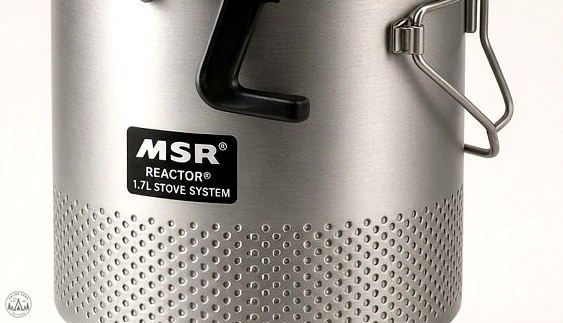
Packing is straightforward because the system is designed around its own cookware. The dimensions are 5.8 × 5.4 × 6.7 inches, so it occupies a recognizable block of space rather than behaving like a collection of unrelated components.
That makes the Reactor particularly appealing when I want a dedicated cooking system that I can grab, pack, and deploy without reinventing the setup every trip.
After cooking, I let everything cool before packing it away. I clean the pot and lid, check the stove connection, and make sure the system is dry before putting it back into storage. That routine takes almost no time and prevents a wet or dirty cooking system from becoming a problem on the next outing.
The main lesson I would give a first-time Reactor user is simple: do not overcomplicate it.
Set up on stable ground. Connect the fuel carefully. Operate it outdoors and safely. Use the pot as intended. Give yourself enough time and fuel for the conditions. And if you are melting snow, start with a manageable amount of snow and build the water volume gradually.
Once those mechanics become familiar, the Reactor becomes a very straightforward piece of equipment.
For me, its appeal is less about having the fastest possible boil on a specification sheet and more about having a system that feels appropriate when the campsite is cold, exposed, and windy. That is when carrying the extra weight starts to feel justified.
Pros
- Wind-focused 1.7L system: The combination of a stainless radiant burner and heat-exchanger pot is specifically well suited to wind-resistant group boils and snowmelt.
- Useful 1.7 L capacity: The 1.7-liter volume provides practical capacity for two-person water duty without requiring a larger system.
- Strong fuel capacity: Approximately 22 liters of water per 227 g canister and ~80 minutes of burn time provide useful range for repeated boiling sessions.
- Fast rated boiling: The 3-minute one-liter IsoPro boil time makes rapid water production the Reactor’s central strength.
Cons
- 17 oz minimum weight: At 1 lb 1 oz / 0.49 kg, the Reactor carries a meaningful weight penalty for backpackers prioritizing minimum pack weight.
- $289.95 MSRP: The approximately $290 price makes the Reactor a significant investment for a stove system primarily intended for boiling and snowmelt.
- Purpose-built design: The 1.7L system is optimized for wind-proof group boils and snowmelt rather than serving as a lightweight, broadly adaptable cooking platform.
| Product | MSR Reactor 1.7L Stove System |
|---|---|
| SKU | 14269 |
| Brand | MSR |
| Price | ~$290 (MSRP $289.95) |
| Minimum weight | 1 lb 1 oz / 0.49 kg (17 oz) |
| Packaged weight | 1 lb 1 oz / 0.50 kg (~17.6 oz) |
| Volume | 1.7 L |
| Dimensions | 5.8 × 5.4 × 6.7 in |
| Fuel | Isobutane canister (IsoPro) |
| Boil time (1 L) | 3 min (IsoPro) |
| Burn time / 227 g | ~80 min |
| Water / 227 g canister | ~22 L |
| Materials | Stainless radiant burner + heat-exchanger pot |
| Best for | Wind-proof group boils & snowmelt |
| Field focus | Exposed alpine camps |
| Buy | msrgear.com Reactor Stove Systems |
Final Thoughts
The MSR Reactor 1.7L Stove System makes the most sense when the conditions are demanding enough that boiling water becomes part of the logistics of the trip rather than simply another camp chore.
That is why I keep coming back to the exposed-Cascades use case. On a sheltered summer evening, the Reactor’s 1 lb 1 oz minimum weight and approximately $290 price are difficult to overlook. But when I am dealing with cold temperatures, exposed camps, group water needs, or snowmelt, the priorities change.
The 1.7-liter capacity is substantial without becoming excessive for a two-person system. The 3-minute one-liter boil time is quick. The approximately 22 liters of water per 227 g canister gives the system useful range. And the stainless radiant burner paired with the heat-exchanger pot is the heart of what makes this particular stove different.
It is not a minimalist choice.
It is a deliberately specialized one.
For exposed alpine camps where wind-proof boiling and snowmelt are central requirements, the Reactor 1.7L is designed around exactly those conditions. The extra weight is the trade for that capability, and whether that trade makes sense depends largely on how often your trips put you in the environment where the Reactor’s design matters most.
For solo modular burners, see GigaPower, PocketRocket Deluxe, and Soto WindMaster. Integrated systems are covered in the Jetboil Flash; basecamp cooks should compare the Flat Burner. Pair small pots with the Trek 900, and use the Nemo Dragonfly Osmo 2P or Amenity Dome M as a reminder that shelter and kitchen choices are connected.