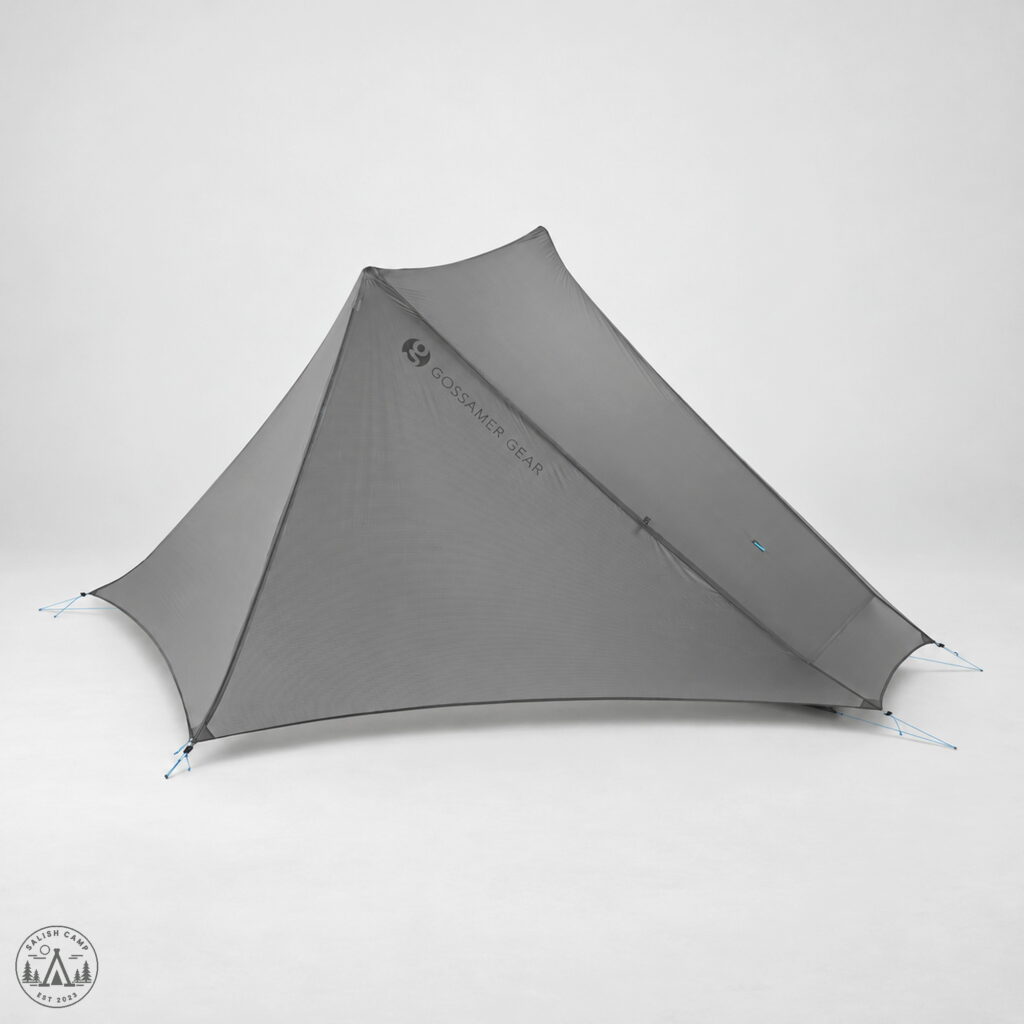
Buy if you already hike with trekking poles, want a genuinely light solo shelter, and are comfortable spending a little time learning how to pitch it properly. The One combines a 19.68 oz / 558 g shelter weight, $315 price, factory-taped seams, improved ClearSkies fabric, and useful ventilation features in a package that makes sense for long days in the Cascades.
Skip if you prefer a freestanding tent that pitches easily on rocky ground, want more interior room for sprawling gear, or regularly camp in exposed alpine terrain where strong, shifting winds are a concern. The single-wall construction also requires deliberate condensation management, particularly during damp, still Pacific Northwest nights.
What Stands Out
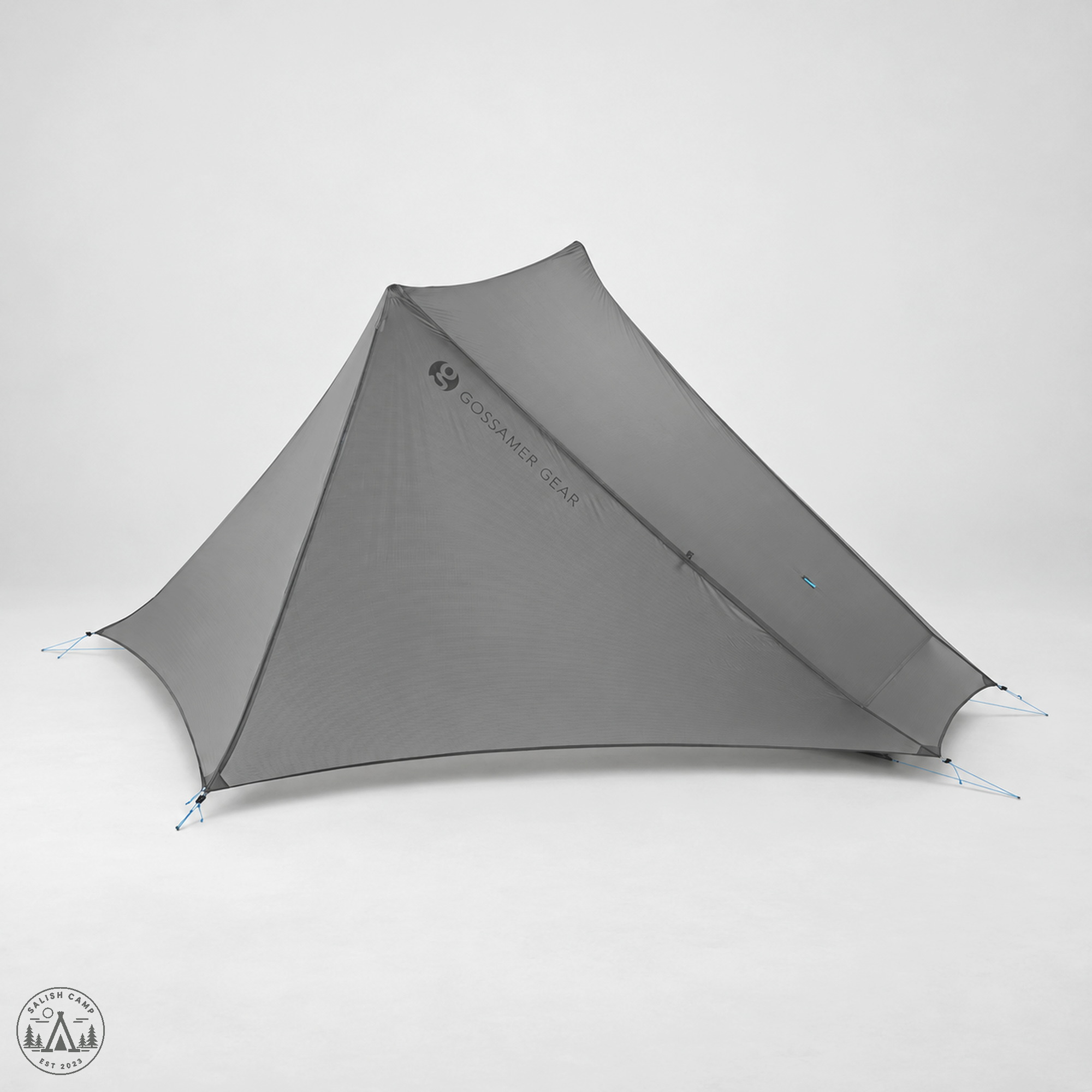
- 19.68 oz / 558 g shelter weight. The full package weighs 22.24 oz / 630.4 g with stakes, stuff sacks, clothesline, and guylines, making this a serious weight-saving option for hikers already carrying trekking poles.
- New ClearSkies canopy. The 15D recycled Robic nylon uses a 20D dope-dyed ripstop grid and SIL/PU coating. Gossamer Gear reports 35% greater tensile strength and 2.35 times the water resistance compared with its previous fabric.
- Fritsch Hitch guyline system. Adjustable guylines help refine the pitch on uneven terrain while maximizing usable bathtub-floor space.
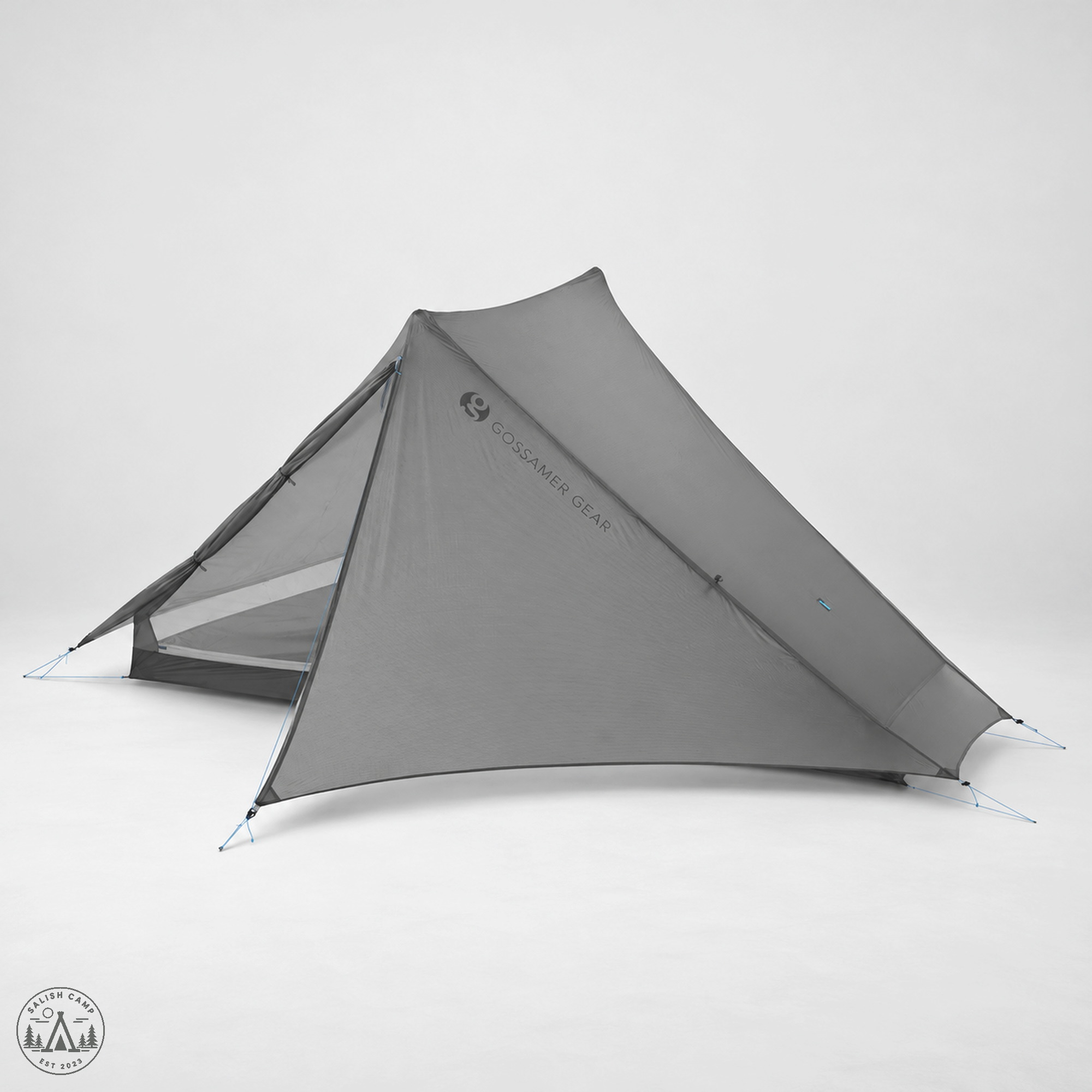
- Flexible vestibule access. Either one or both vestibule doors can open, with dual toggles holding the rolled panels more securely.
- Retractable ventilation. Corner and ridge vents can be fastened open for airflow or secured with Velcro stays when weather deteriorates.
- Useful interior geometry. The 84-inch floor tapers from 33 inches at the head to 21 inches at the foot, with a 49-inch peak height.
- Complete basic pitching hardware. Six aluminum stakes, two static guylines, and a clothesline are included, although the two supporting poles must come from your own trekking poles or a separately purchased pole set.
In The Field
I already carry trekking poles on nearly every Cascades, Olympics, or Mount Hood trip, so a shelter that uses them for structure eliminates a separate tent-pole assembly. That’s the real appeal of The One at $315. There’s still a difference between liking an ultralight tent on paper and living with it. This is the kind of shelter I’d practice pitching in the backyard — including once on uneven ground — before trusting it on a wet evening above the tree line.
The One is not freestanding. Its shape depends on poles, stakes, and guyline tension together. You need two poles set to 125 cm at opposite ends — the FAQ states 125 cm, even though one feature-list line marks that height with an inch symbol. If you don’t hike with trekking poles, Gossamer Gear sells a separate Pole Set, but it isn’t included. I’d spread the tent on level ground, orient the door toward the most useful access side, stake the primary points loosely, install the poles, then gradually tension the corners until the canopy looks balanced. Tightening everything at once usually just makes adjustments worse; small changes at one corner affect the rest. The Fritsch Hitch helps on uneven terrain while preserving bathtub-floor space. Six stakes are included; I’d still bring a couple of extras for the optional head and foot tie-outs when conditions call for more wall tension.
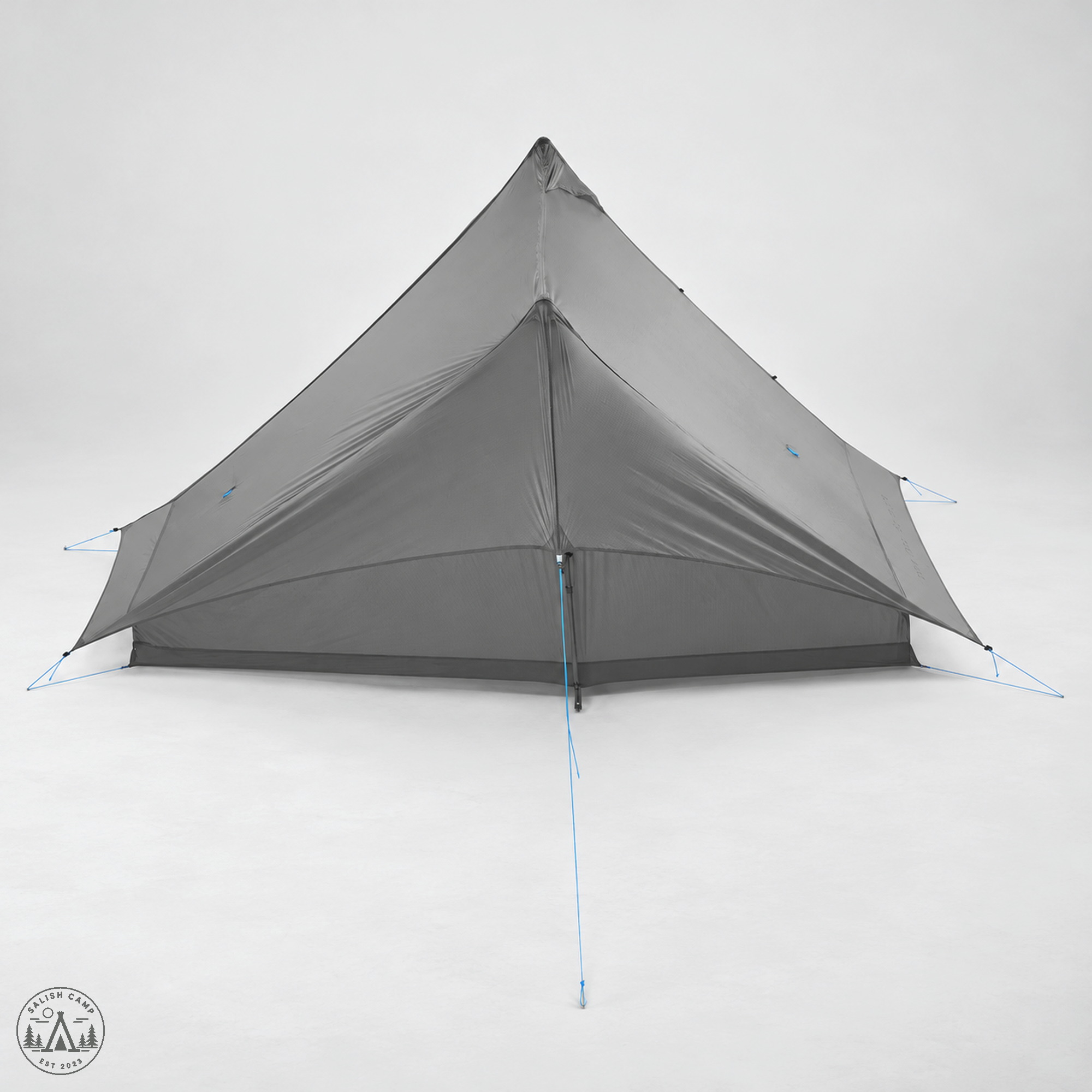
The floor is 84 inches long and tapers from 33 inches at the head to 21 inches at the foot. That works for a conventional solo pad; for a wide rectangular pad I’d measure carefully if I wanted clothing or small gear beside it. The 49-inch peak is the height at the highest point, not clearance throughout — the canopy slopes away from the peaks. One feature list ties that peak to the sit height of a 6-foot person, while the FAQ says 6-foot-2 — I’d measure my own seated height rather than trust either claim. Mesh separates the darker bathtub floor from the canopy; proper staking keeps the floor from being pulled inward. For a solo shelter, a usable sleeping footprint matters more than turning a minimalist tent into a living room.
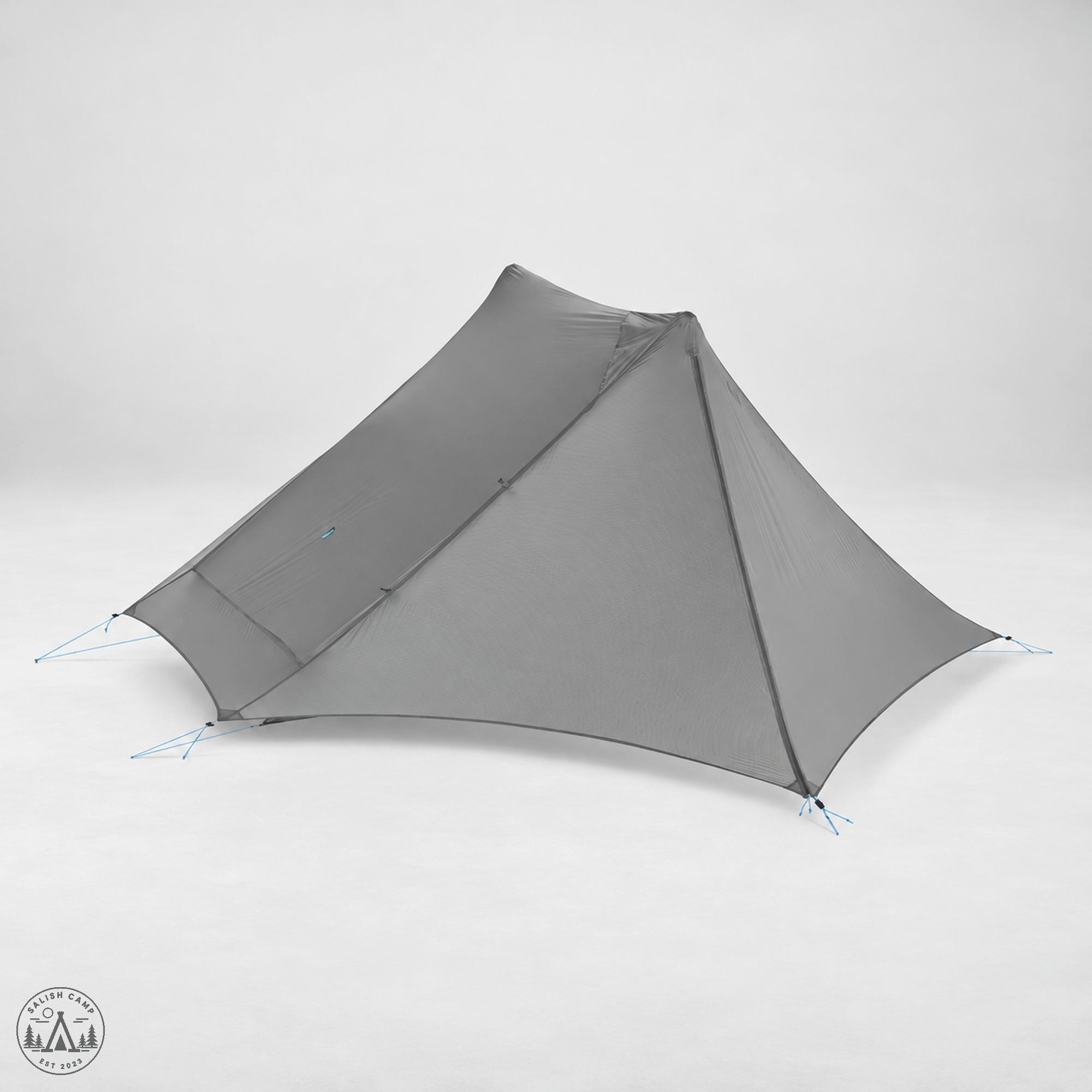
This is where I’d be most careful about expectations. The One is a single-wall tent — no fully separate inner canopy isolates you from condensation on the outer fabric. Gossamer Gear itself says single-wall shelters will always experience a level of condensation. On a calm, humid Olympic Peninsula night, moisture can accumulate inside even without rain. The retractable vents help but don’t eliminate it. I’d open ventilation and use one or both vestibule doors for airflow when conditions allow, then close the vents with Velcro stays in heavy weather. A small absorbent cloth for wiping before packing, and keeping the sleeping bag off the canopy whenever possible, are simply part of the deal.
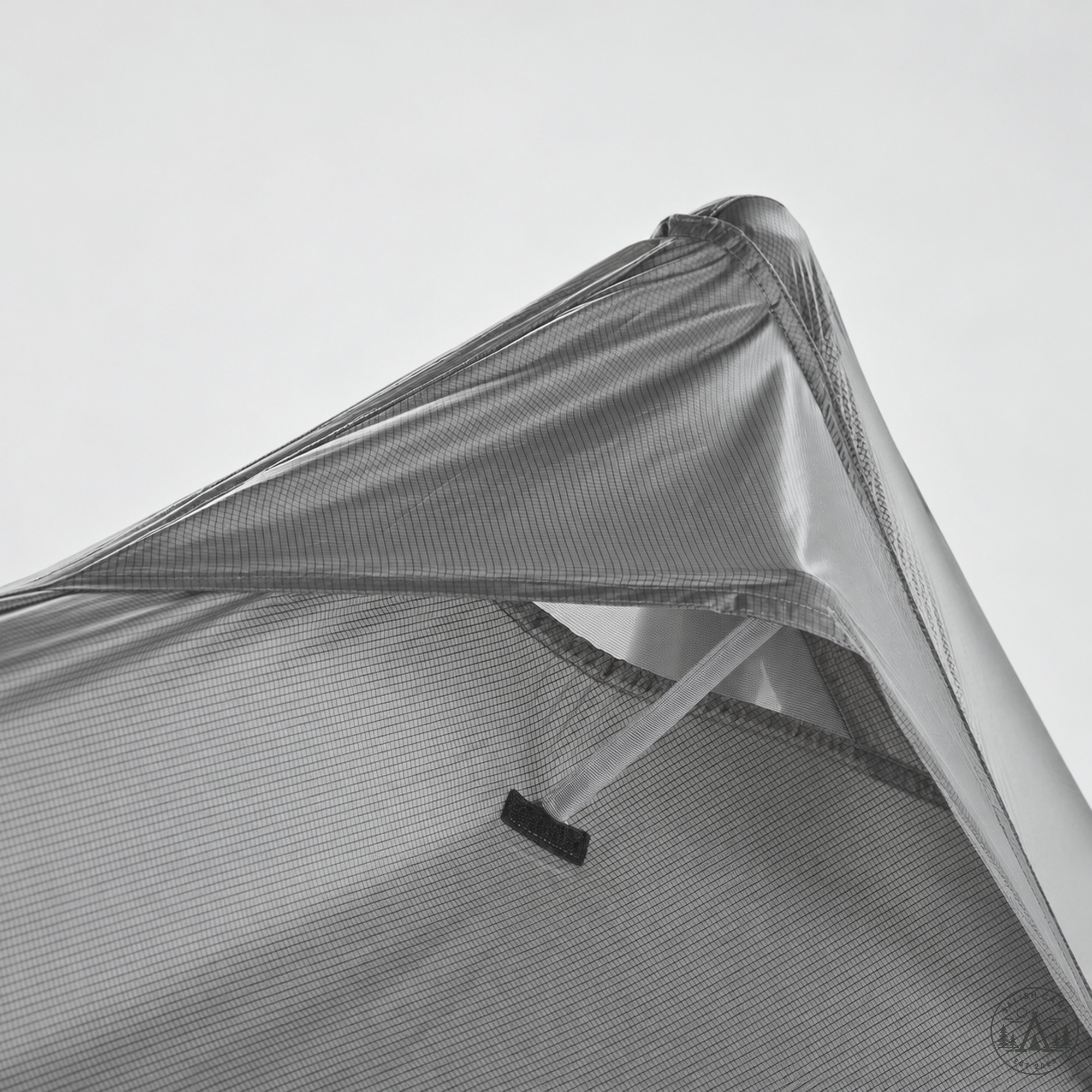
The light construction makes campsite selection important. I wouldn’t choose The One first for sustained strong wind on an exposed ridge — large single-wall panels need good tension and secure anchors, and an exposed wall can struggle when gusts shift. Wall-to-pole loops, reinforced tie-outs, and optional exterior guy points help, but they don’t replace site choice. On a windy Cascades trip I’d look for natural protection, avoid unstable overhead branches, orient for the forecast, and use the extra tie-outs when needed rather than saving a few minutes of setup.
Smaller details help over several trail days: an interior mesh pocket for a headlamp or glasses, a clothesline loop, and reflective zipper pulls and guylines for night returns. The shelter stuffs to 12 × 5 × 5 in, which helps when the pack is already full. At 19.68 oz / 558 g for the shelter alone, I’m comfortable adding extra stakes and a condensation cloth without undoing the weight-saving goal. Separate the advertised shelter weight from the complete kit — 19.68 oz / 558 g shelter versus 22.24 oz / 630.4 g total — when comparing tents that list different components.
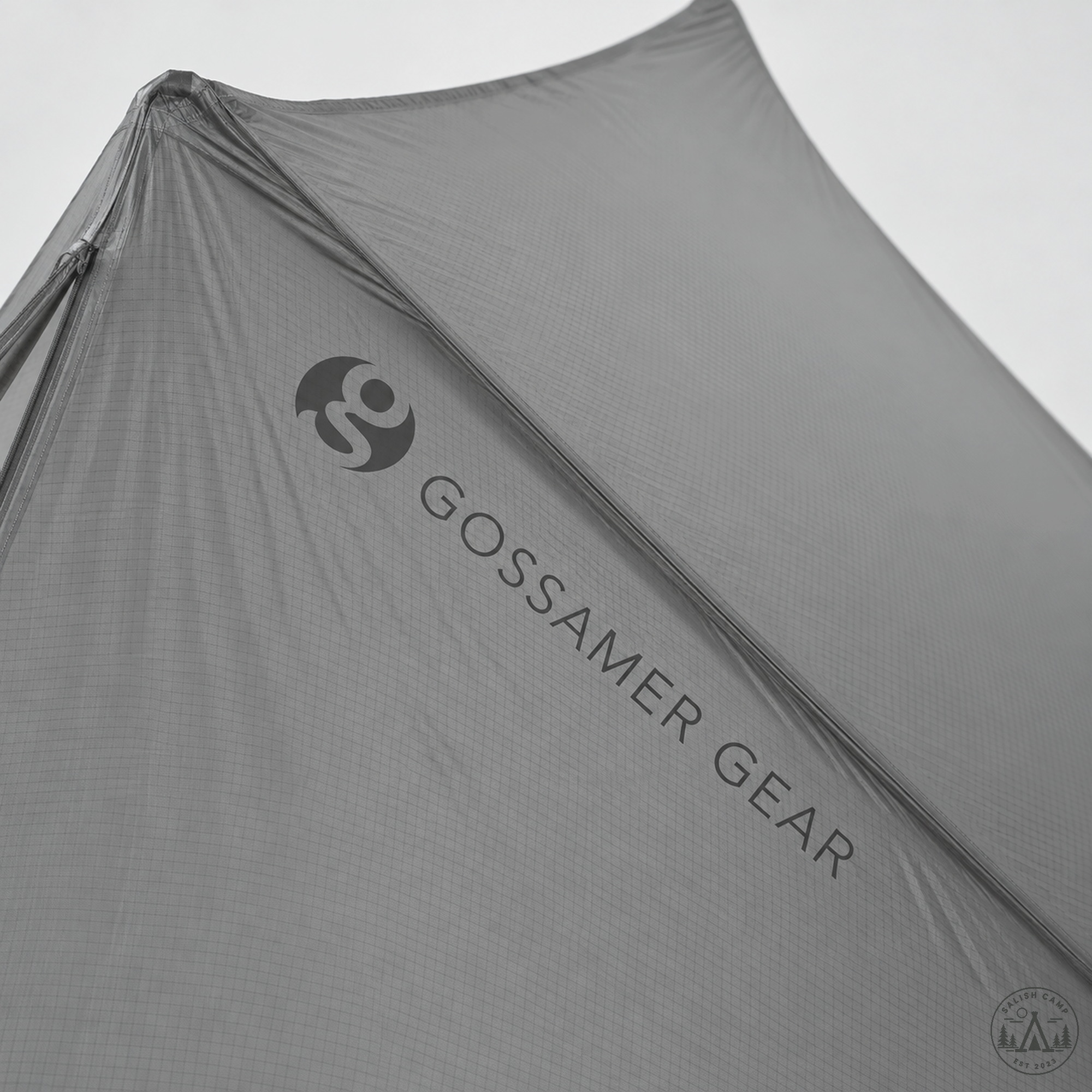
For Pacific Northwest backpacking, fabric performance matters more than an impressive material name. The 2026 ClearSkies version uses 15D recycled Robic nylon with a 20D dope-dyed ripstop grid and SIL/PU coating, rated at 4,923 mm hydrostatic head. Gossamer Gear reports 35% greater tensile strength and 2.35 times the water resistance versus its previous fabric — brand comparison figures, not long-term field proof. Factory-taped seams are welcome; I don’t want an extra sealing step at camp. The fly door uses a YKK #3 AquaGuard zipper with laminated PU film; the body door uses a YKK #3 coil. I’d still pick drained campsites, avoid depressions where water collects, and keep the canopy tensioned — waterproof fabric doesn’t fix a poor site.
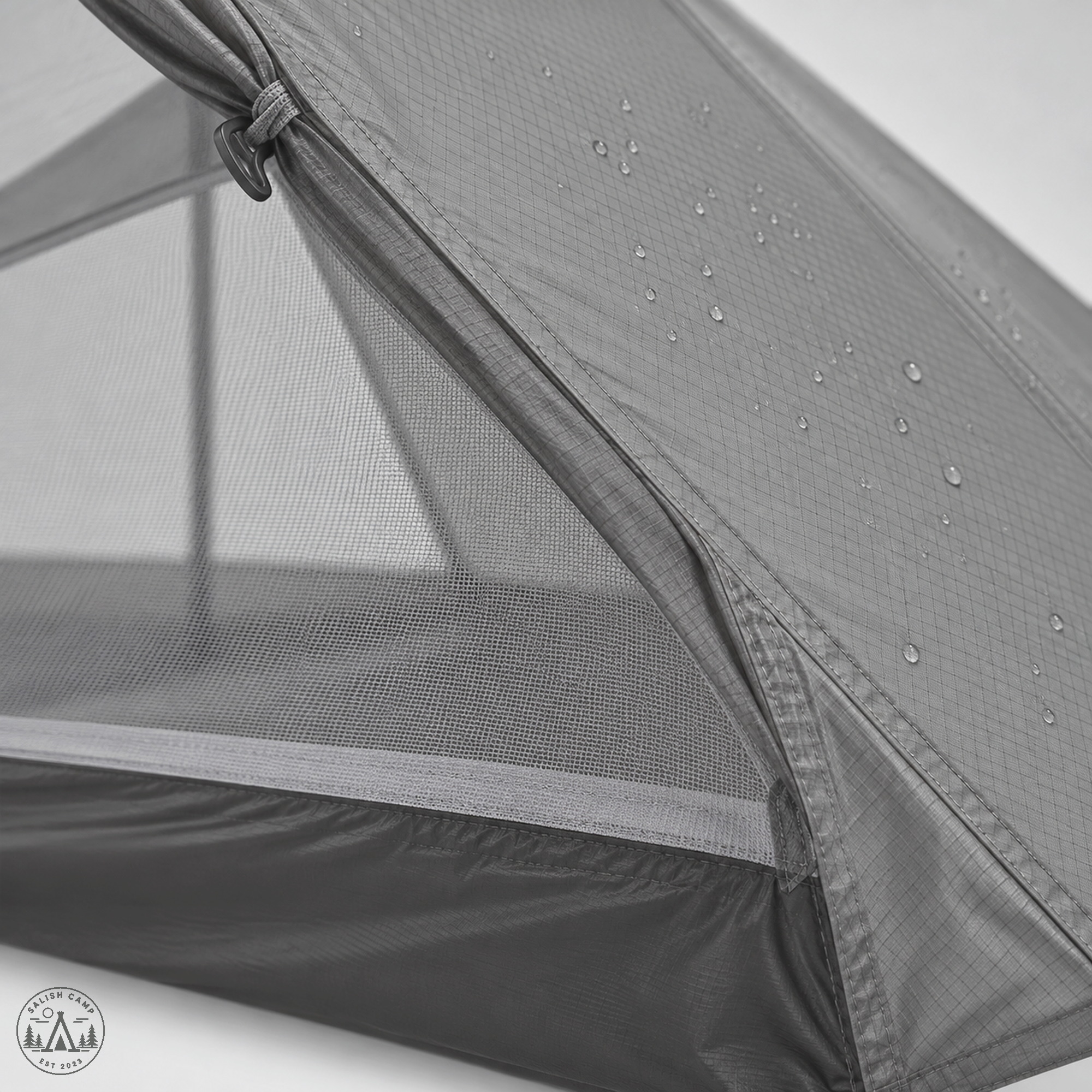
I see The One as a strong option for solo trips where mileage and pack weight matter, but I still want an enclosed shelter with a floor, mesh, and a proper door. That balance suits a Timberline Trail-style route; for a damp Enchantments shoulder-season trip I’d be more selective about weather and exposure. Gossamer Gear’s Mariposa pack already introduced the brand to Salish Camp readers, and The One is a logical first shelter from the same company — though a shelter demands more hands-on technique than a backpack. I’d want a few practice pitches, including one on uneven ground and one with the optional head and foot tie-outs, before making it my primary overnight shelter.
Pros
- Excellent weight-to-price proposition. The 19.68 oz / 558 g shelter weight at $315 is particularly appealing for solo hikers who already use trekking poles.
- Updated waterproof fabric and taped seams. ClearSkies construction, a 4,923 mm hydrostatic head rating, and factory-taped seams provide a strong material specification.
- Adjustable, practical pitching system. Fritsch Hitch guylines, reinforced tie-outs, and optional exterior guy points allow more control over the shelter’s shape.
- Flexible access and ventilation. Two independently opening vestibule doors and retractable vents make it easier to adjust airflow and entry according to conditions.
Cons
- Single-wall condensation. Moisture buildup remains a real consideration during humid, calm nights, even with the vents open.
- Sensitive to pitch and exposure. The shelter needs secure stakes, careful tensioning, and thoughtful site selection, particularly when wind increases.
- Narrow, tapered interior. The 21-inch foot width limits gear placement, and the sloping canopy may feel restrictive for hikers accustomed to roomier tents.
Technical Specifications
| Specification | Details |
|---|---|
| Product | Gossamer Gear The One |
| Config in photos / primary | The One (single variant), SKU The_One |
| Price (primary) | $315.00 USD (gossamergear.com, 2026-10-09, in stock) |
| Weight (shelter) | 19.68 oz / 558 g |
| Weight (total, as shipped) | 22.24 oz / 630.4 g |
| Stakes | 6 aluminum, included (1.55 oz / 43.8 g total) |
| Type | Single-wall trekking pole tent, 1 person |
| Poles | Two trekking poles or Gossamer Gear Pole Set at 125 cm (not included) |
| Length | 84 in / 213.4 cm |
| Width | 33 in / 83.8 cm head; 21 in / 53.3 cm foot |
| Peak height | 49 in / 124.5 cm |
| Fabric | ClearSkies 15D recycled Robic nylon, 20D dope-dyed ripstop grid, SIL/PU coating; PFAS-free |
| Water resistance | 4,923 mm hydrostatic head |
| Seams | Factory-taped |
| Zippers | YKK #3 AquaGuard (fly door); YKK #3 coil (body door) |
| Packed size | 12 × 5 × 5 in / 30.5 × 12.7 × 12.7 cm |
| Ships with | Shelter, stuff sack, 6 aluminum stakes with stake sack, 2 static guylines, clothesline |
Final Thoughts
Gossamer Gear The One occupies an appealing middle ground in ultralight backpacking. It’s light enough to make a meaningful difference to a solo pack, yet it doesn’t demand the kind of shelter budget that can make weight reduction feel prohibitively expensive.
The updated ClearSkies fabric, factory-taped seams, adjustable Fritsch Hitch system, and flexible ventilation give the design more substance than a simple pursuit of the lowest possible weight.
What I particularly like is that it makes sense for someone who already hikes with trekking poles. You’re using equipment you already carry to support a fully enclosed shelter, rather than adding another pole system to your pack.
The trade-offs are equally clear. This isn’t a tent I’d choose for maximum living space, carefree pitching, or repeated nights in exposed alpine wind. And no amount of clever ventilation completely solves condensation inside a single-wall shelter during damp, still weather.
For the kind of solo backpacking I enjoy in the Pacific Northwest, I’d be willing to work around those limitations. I’d practice the pitch, bring extra stakes, look for sheltered campsites, and keep a cloth handy for condensation.
At $315, The One gives weight-conscious solo backpackers a credible way to move toward an ultralight shelter system without spending substantially more. Its strongest appeal isn’t that it eliminates compromises. It’s that the compromises are understandable, manageable, and reasonable for the weight and price.