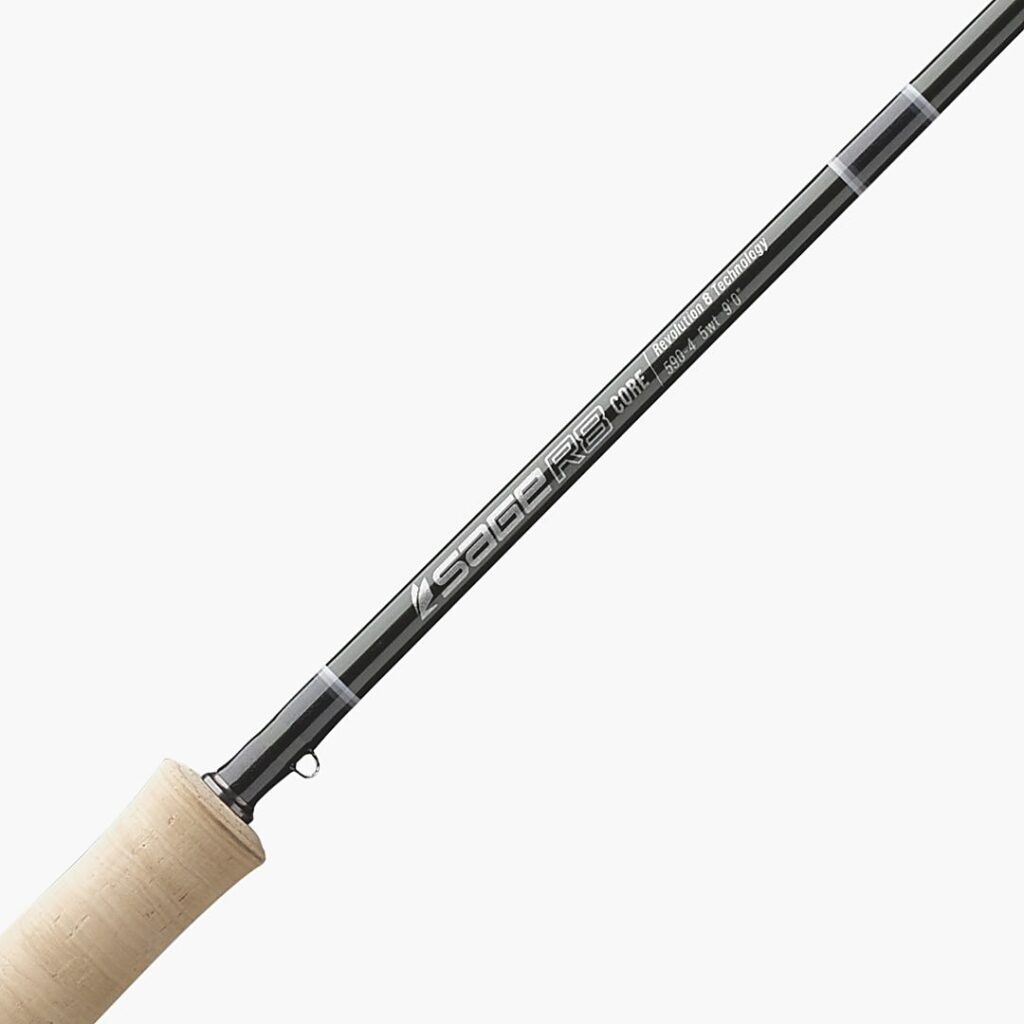
Buy if you already know you want a faster, cleaner 5-weight and will fish often enough to feel the difference. Skip if this is your first rod, your budget is tight, or your trout days are mostly short casts in brush.
Some links on this page may be affiliate links. If you buy through them, Salish Camp may earn a commission at no extra cost to you. That does not change what we review or how we evaluate gear. Full details: /affiliate-disclosure/
What Stands Out
- Exact R8 CORE 590-4 configuration: 9′0″, 5wt, four pieces, SKU 2054-590-4.
- Quick recovery that makes line control feel deliberate rather than mushy.
- Enough reserve power for wind, longer leaders, and ordinary trout streamer work.
- Muted charcoal blank suits a product-forward, no-fuss build.
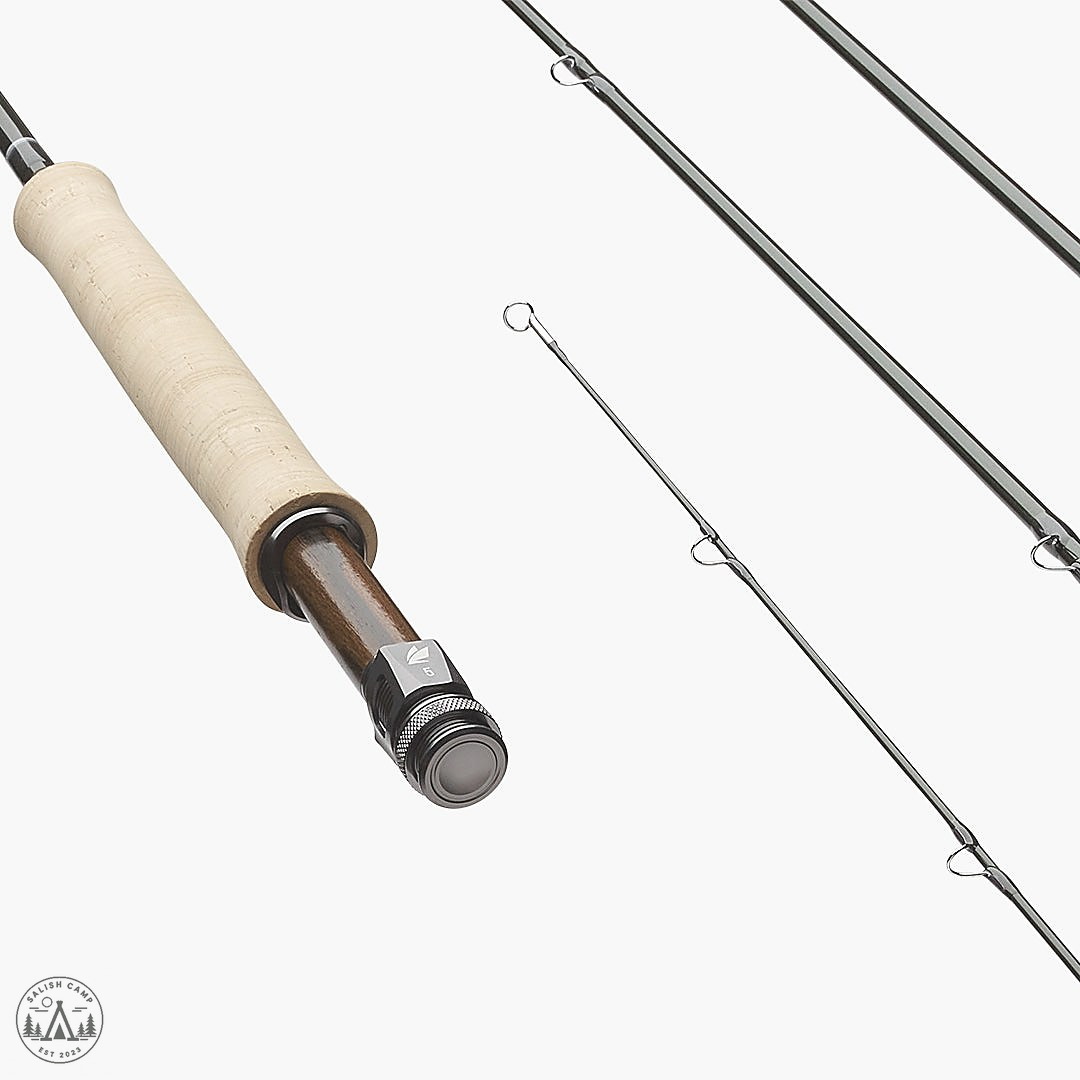
- Cork, reel seat hardware, ferrules, and tip guides all reward close inspection.
- Premium price is easiest to justify when the rod sees frequent, varied use.
In The Field
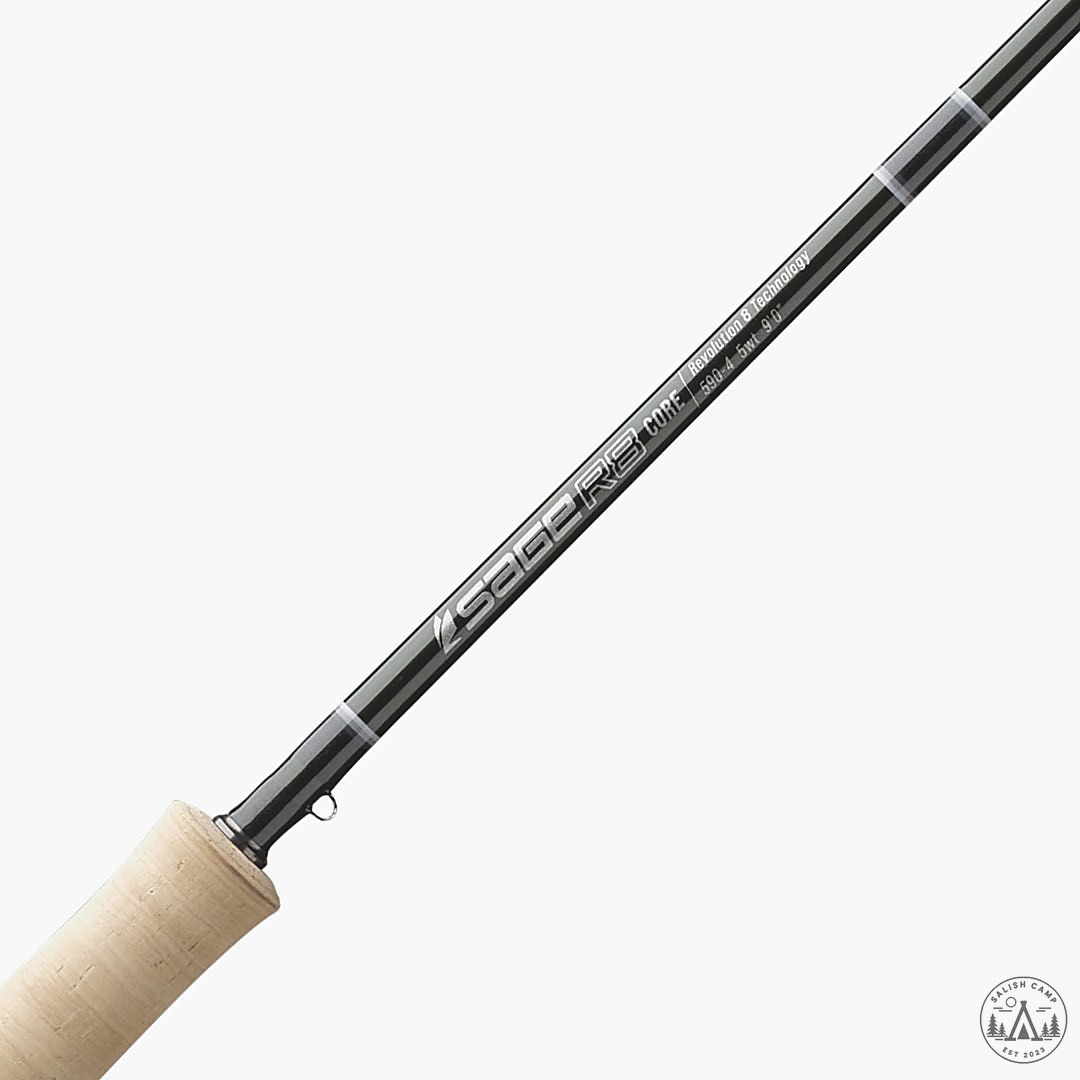
The R8 Core 590-4 is the kind of purchase I would make after I had already learned what I dislike in cheaper rods. On a gray Snoqualmie morning, the appeal is not status; it is how quickly the blank gets back into position after a stop. Loops unroll with less wobble, mends feel more intentional, and a late correction does not turn into a full reset.
Novice question: does a faster rod make someone a better caster? No. It can make clean timing more rewarding, but it can also make a rushed stroke obvious. If you are learning, the R8 Core is usable, but I would spend some of the price difference on instruction and line fit. If you already cast comfortably, the rod gives you more information about what the line is doing.
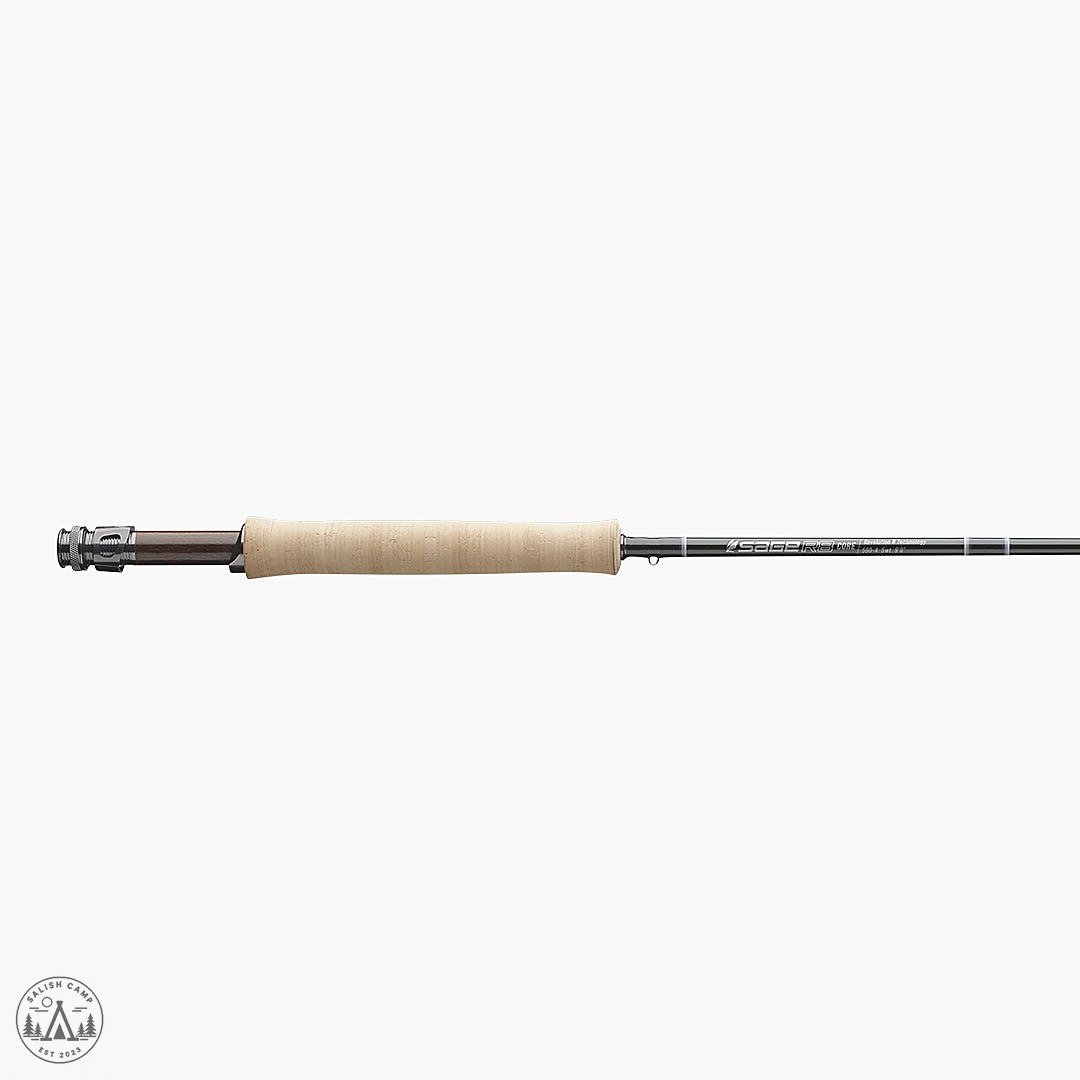
The four-piece construction is practical for Northwest travel. I check each joint before walking in, then recheck after the first few casts. A ferrule that backs out changes the action and can damage the blank. Seat sections with a firm push and light twist only as needed; do not use tools or aggressive torque.
At short range, the R8 Core still loads, but it prefers an active hand and a clean stop. On a small creek I can make it work by shortening the leader and using compact casts, though a softer, slower rod can feel calmer there. On a broad river or windy lake edge, the Sage’s recovery starts to pay for itself.
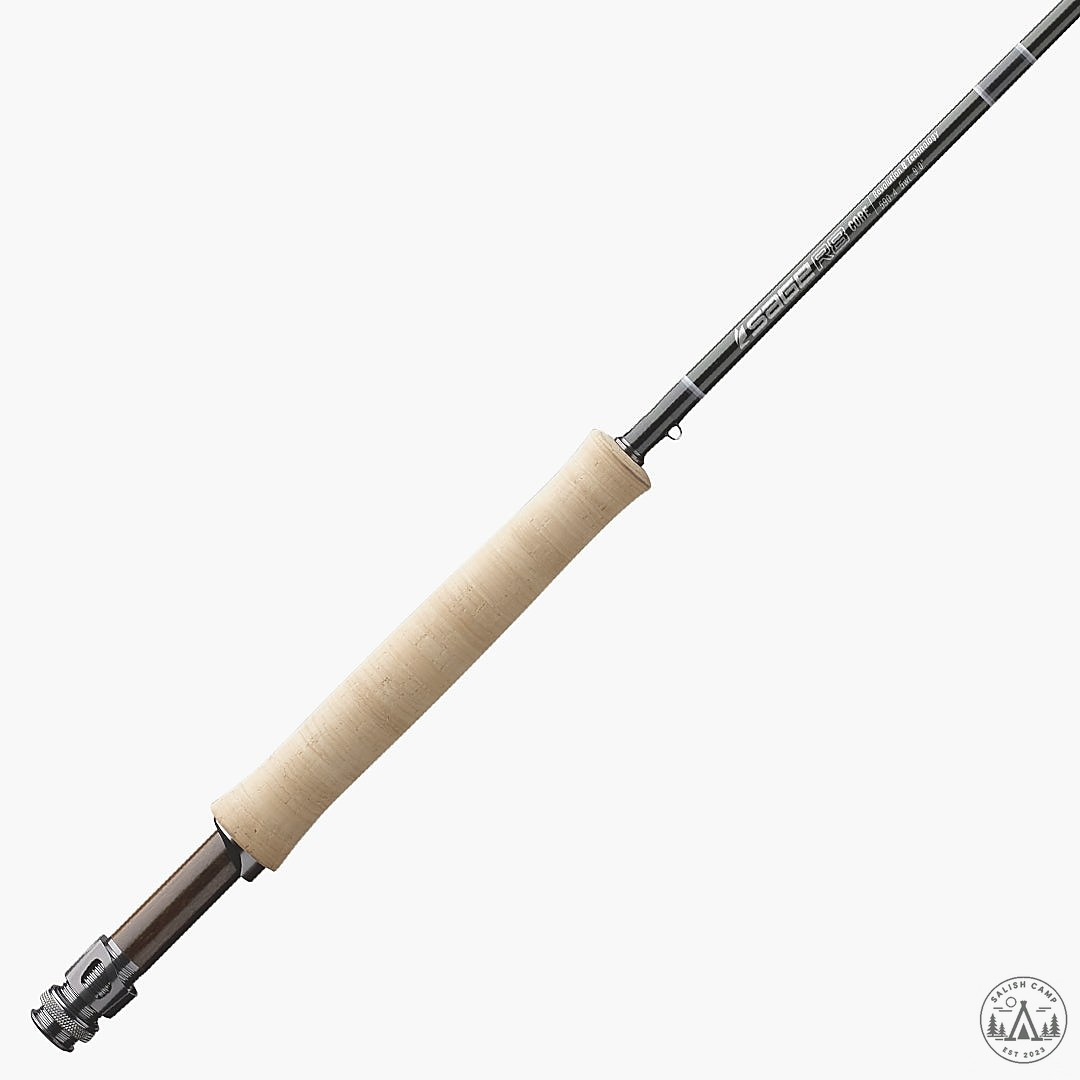
The grip is where a premium rod either earns trust or becomes decoration. Sage’s cork and reel-seat hardware feel composed in hand. I can change from a thumb-led dry-fly stroke to a more compact nymphing motion without fighting the handle. The right grip is personal, so treat any online purchase as a fit decision, not just a specification decision.
With a standard weight-forward floating 5-weight, I get a predictable balance of turnover and delicacy. It handles ordinary trout dry flies, indicator nymphs, and smaller streamers. I would not use a 5wt as an excuse to throw massive articulated patterns all day; the line and leader choice can load the system beyond what the rod feels best doing.
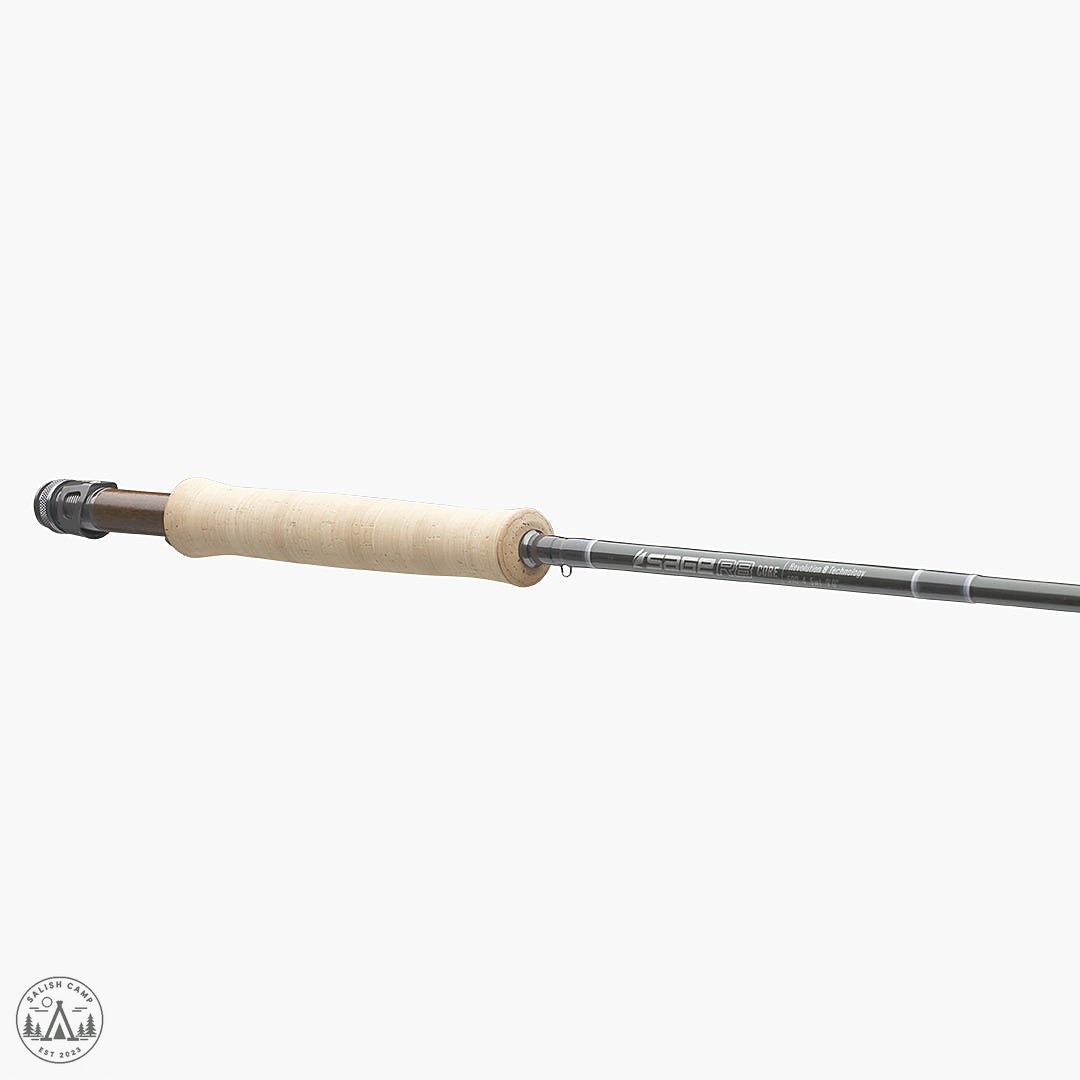
Presentation is the R8 Core’s strongest argument. The blank gives me enough speed to reach a seam and enough control to take speed off when a wary fish is close. That range is more useful than raw distance. In PNW wind, I would rather have a rod that recovers cleanly than one that merely feels stiff in the hand.
There is a real tradeoff against the Echo Trout 9′ #5. The Echo is friendlier at the entry price and more forgiving of developing timing. The Sage is more exacting and more expressive once the caster is ready. Neither makes fish appear; the upgrade is in feedback and control.
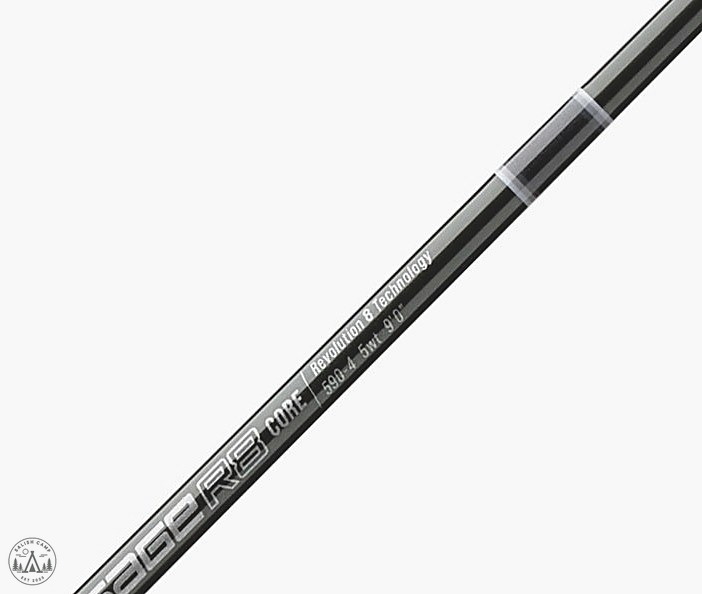
Maintenance is the same unglamorous routine I use on every rod: rinse grit away, dry the sections, inspect guides for damage, and loosen the reel before long storage. The expensive blank does not need mystical care, but it does deserve a tube during transport. Never leave the rod assembled under a car hatch or wedged against a door.
The R8 Core is not a dedicated Euro-nymph rod, tiny brook rod, or saltwater tool. It is a premium generalist. That is a strength if your trips vary and a waste if your fishing is narrowly specialized.
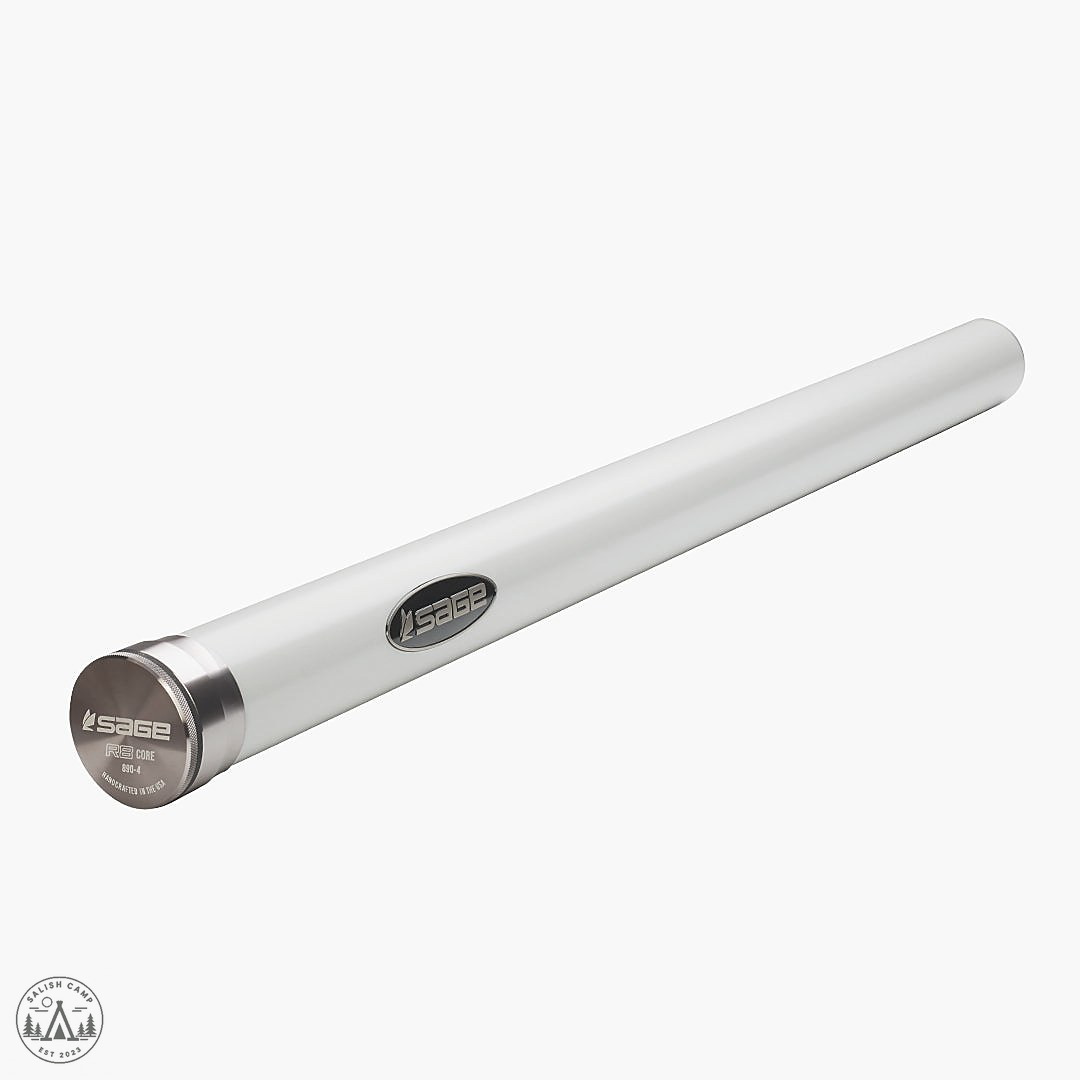
The tube and sock are secondary to the rod, but they matter for the price. I keep the sock dry and use the tube when the rod rides in a vehicle. A good travel system protects the investment without changing what happens on the water.
If you fish a few weekends a year, the answer is probably not “buy the most expensive 5wt.” If you fish often, notice loop shape, and can articulate the exact limitation of your current rod, the R8 Core becomes much easier to justify.
My field verdict is that the R8 Core is a refinement purchase, not a beginner shortcut. It makes good casting feel cleaner and bad casting more legible. That is exactly what I want from a premium trout rod.
Pros & Cons
Pros
- Fast, clean recovery and strong line control
- Versatile 9′ 5wt everyday format
- Premium cork and hardware feel
- Four-piece travel practicality
- Useful reserve power in wind
Cons
- High price for a generalist 5wt
- Less forgiving of rushed timing
- Overkill for occasional short-range fishing
- Not specialized for heavy streamer or tiny creek work
Technical Specifications
| Product | Sage R8 CORE 590-4 |
|---|---|
| SKU | 2054-590-4 |
| Category | Fly Fishing |
| Configuration | 9′ 0″, 5wt, 4-piece |
| Price | ~$1,100 |
| Finish | Muted charcoal blank |
| Best for | Frequent trout anglers who value recovery and control |
| Buy | View at Sage |
Final Thoughts
The Sage R8 Core 9′ #5 earns its price through feedback, recovery, and control rather than a magic increase in fish landed. I would buy it after outgrowing a friendly all-rounder like the Echo Trout, not before. For a committed trout angler who fishes varied water, it is a precise tool that still behaves like a practical 5-weight.