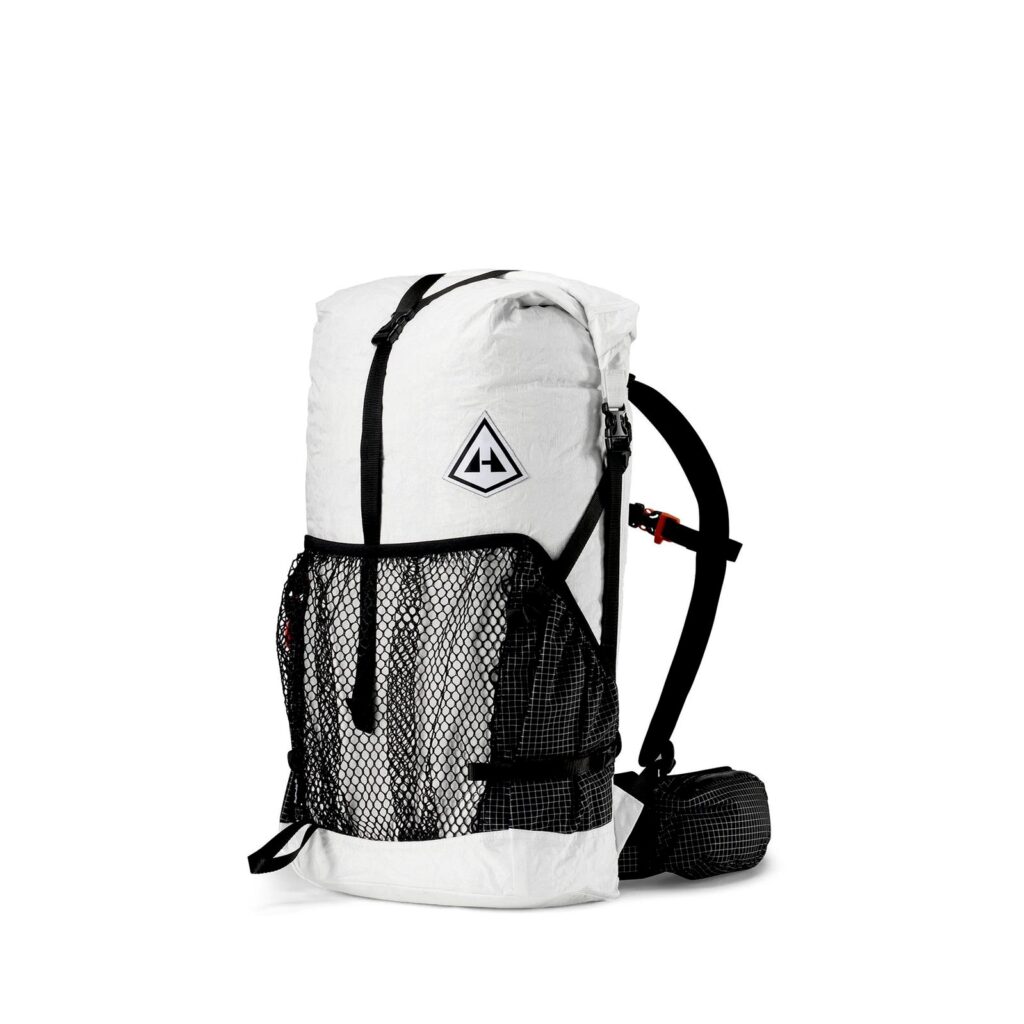
Buy if you want Hyperlite Dyneema toughness in a 40L pack with a harness that feels more traditional than older Southwest minimalism. Skip if you need 55–60L of forgiving volume, prioritize trampoline ventilation, or want maximum mesh pocket access.
What Stands Out
- Dyneema Composite construction with Hyperlite’s familiar weather and abrasion confidence.
- A harness and carry feel closer to conventional packs than stark older Hyperlite designs.
- Forty-liter volume that rewards a dialed weekend or short multi-day kit.
- Practical exterior pockets for bottles and jackets without pocket overload.
- Roll-top design that compresses cleanly when the kit is light.
- Natural pairing with light Hyperlite shelters like the Unbound 2.
- A tougher fabric personality than nylon ultralight soft packs.
In The Field
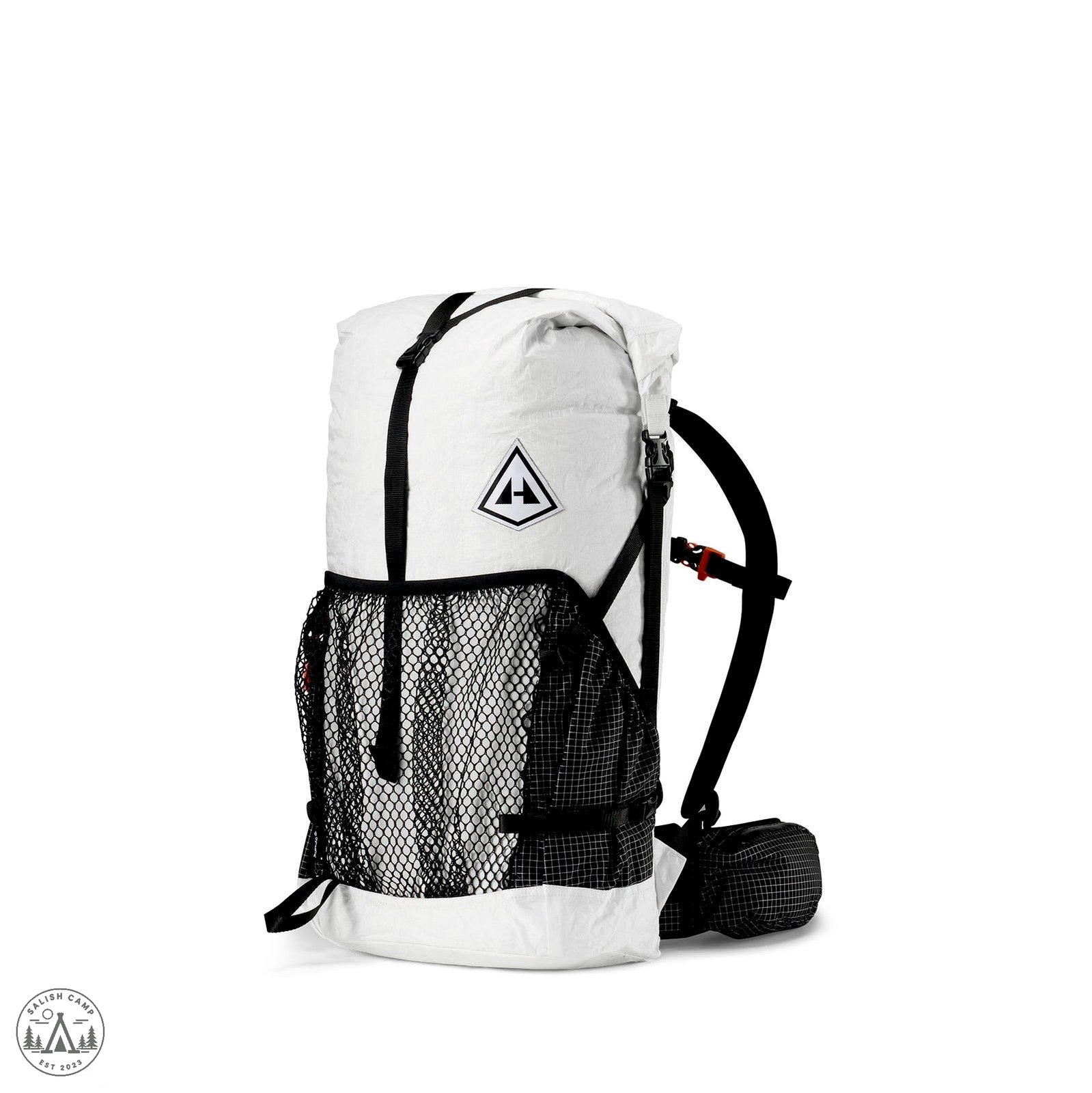
The Hyperlite Junction 40 sits in a useful middle of Hyperlite’s pack family. It keeps the Dyneema Composite toughness that made the Southwest 40 a PNW favorite, but the harness and overall feel move closer to what people expect from a “normal” backpack. On a weekend loop out of the Alpine Lakes, that meant I could enjoy Hyperlite’s weather-shedding fabric without the same stark minimalist shoulder experience some hikers find on older Southwest builds.
Is it beginner friendly? More than a bare-bones frameless bag, less than an Osprey Exos. Forty liters still demands a dialed kit. If your sleep system and cook kit are ballooned, look at the Mariposa or Crown3 instead. If you already run a light shelter like the Hyperlite Unbound 2, the Junction’s volume starts making sense quickly.
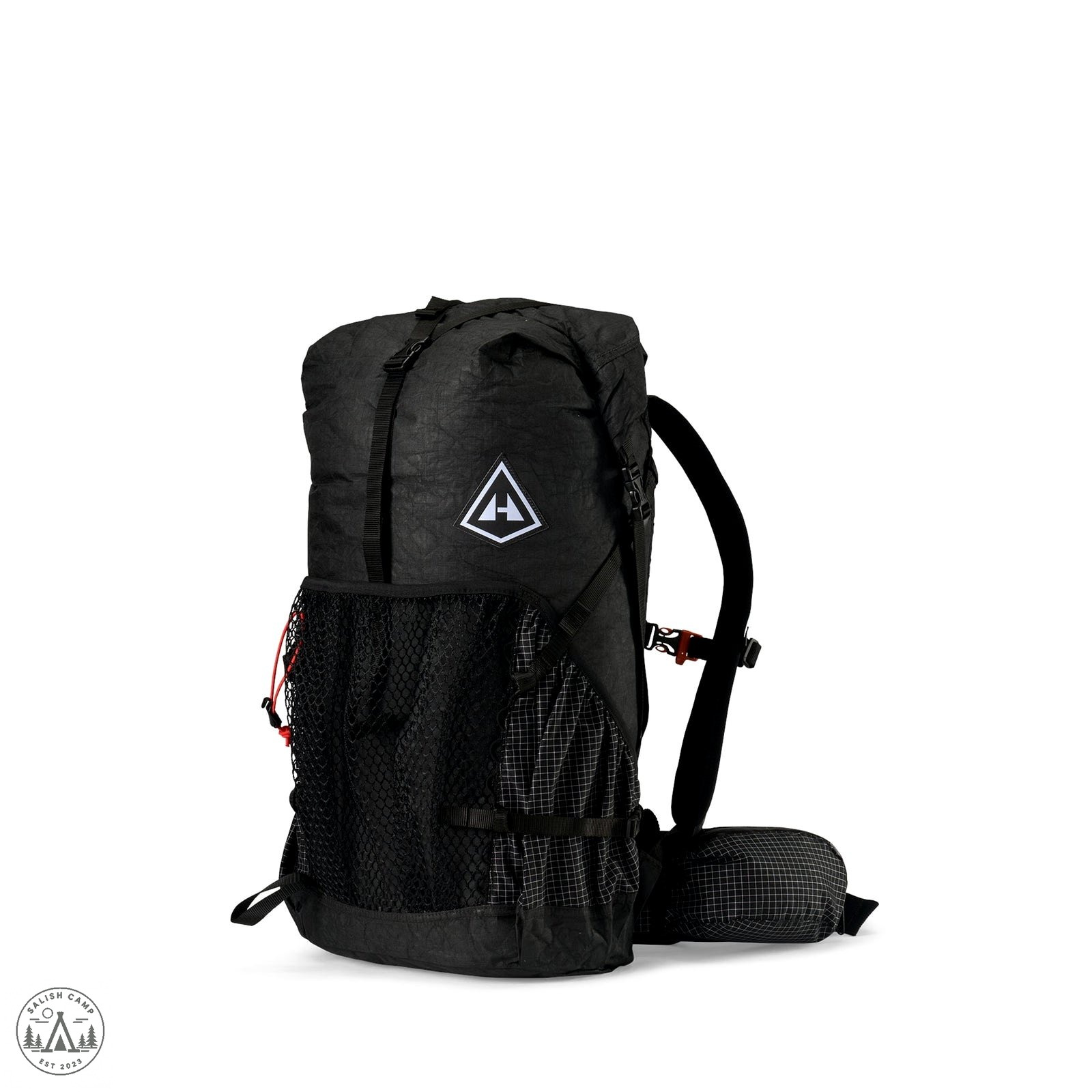
Dyneema Composite remains the durability story. It resists abrasion and shrugs off brush better than many ultralight nylons, and it handles Northwest drizzle with less drama than untreated fabrics. I still use a pack liner for prolonged rain — fabric toughness is not the same as a welded dry bag. After a wet night near Pratt Lake, the exterior beaded and the liner did the real waterproofing work, which is how I prefer it.
Carry structure is the Junction’s differentiator versus the Southwest. The more traditional harness and frame sheet approach gave me better load control with a weekend food load than I expect from the most minimal Hyperlite configurations. It is still a light pack: do not expect Exos-like trampoline comfort or Mariposa soft-pad hug. Expect a composed Dyneema bag that tracks well when packed dense and close to the back.
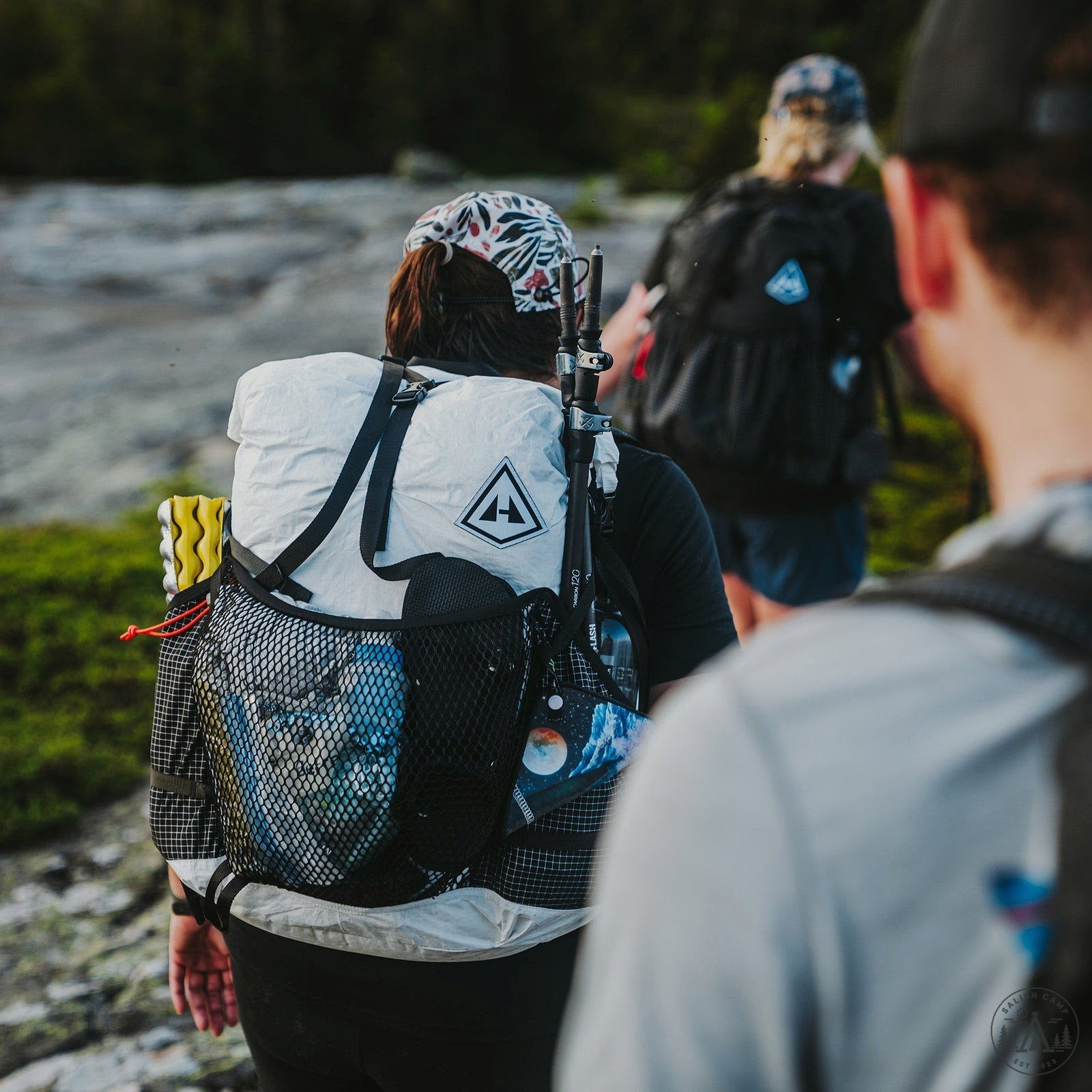
Pockets follow Hyperlite’s practical exterior logic: side pockets for bottles and tall items, a large exterior pocket for jackets and extras. Access is good without turning the pack into a mesh octopus. Compared with the Mariposa, you will miss some stretch-mesh forgiveness; compared with Zpacks Ultra builds, you are choosing Hyperlite’s fabric system and aesthetic.
Volume at 40 liters is weekend-to-short-trip territory for a light kit, or longer if you are truly dialed. It is not the pack I choose for a week of bear-can food unless my base weight is already low. That constraint is also its coaching: the Junction rewards people who have already edited their kit, similar to the Southwest, while offering a harness that some hikers will simply wear longer without fiddling.
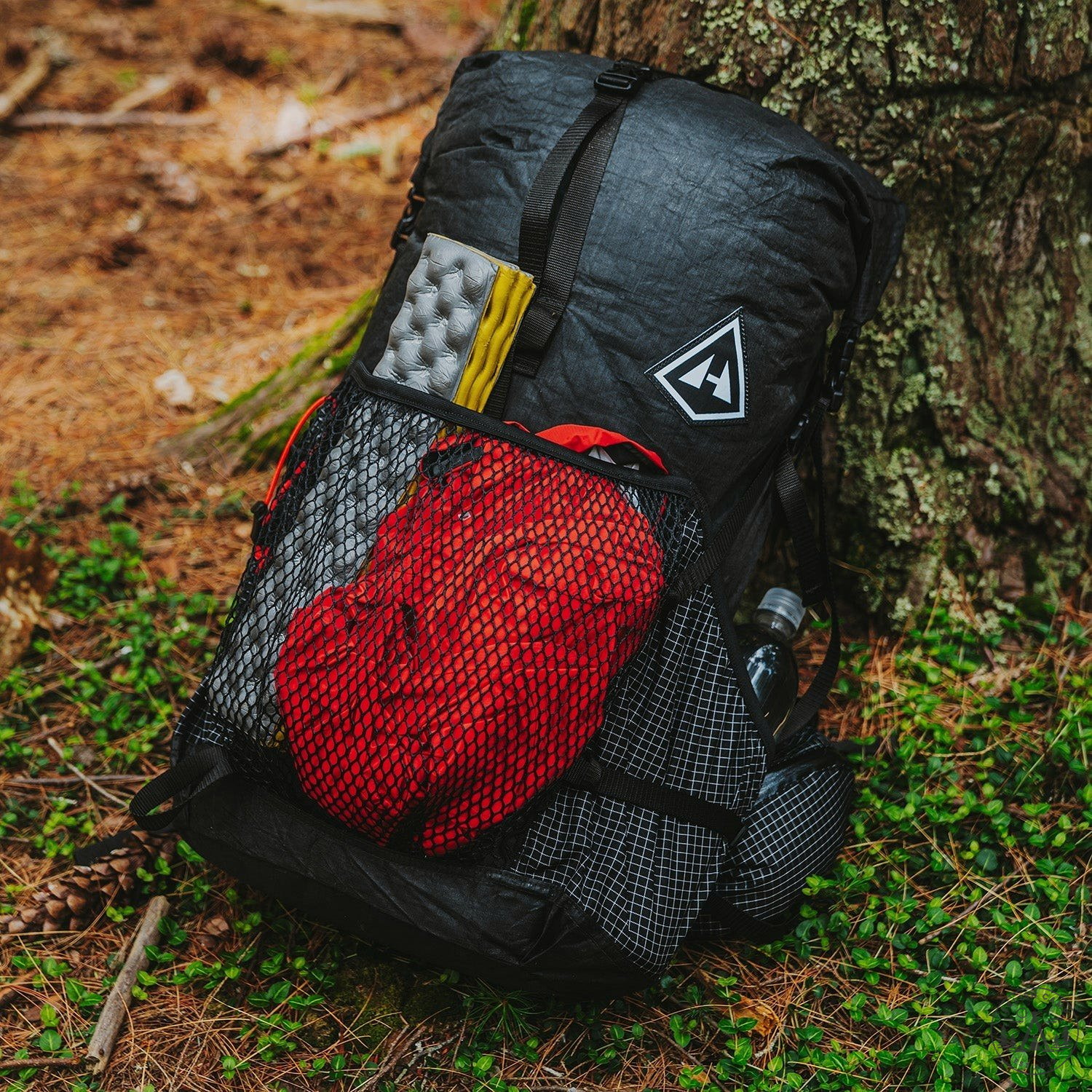
Who should buy Southwest instead? Hikers who already love that pack’s shape and pocket layout and do not need the Junction’s harness personality. Who should buy Junction? Hikers who want Hyperlite fabric with a more conventional carry feel, or who found Southwest straps less agreeable. Who should buy something else? People who need 55–60L of forgiving volume, or who prioritize ventilated mesh above all.
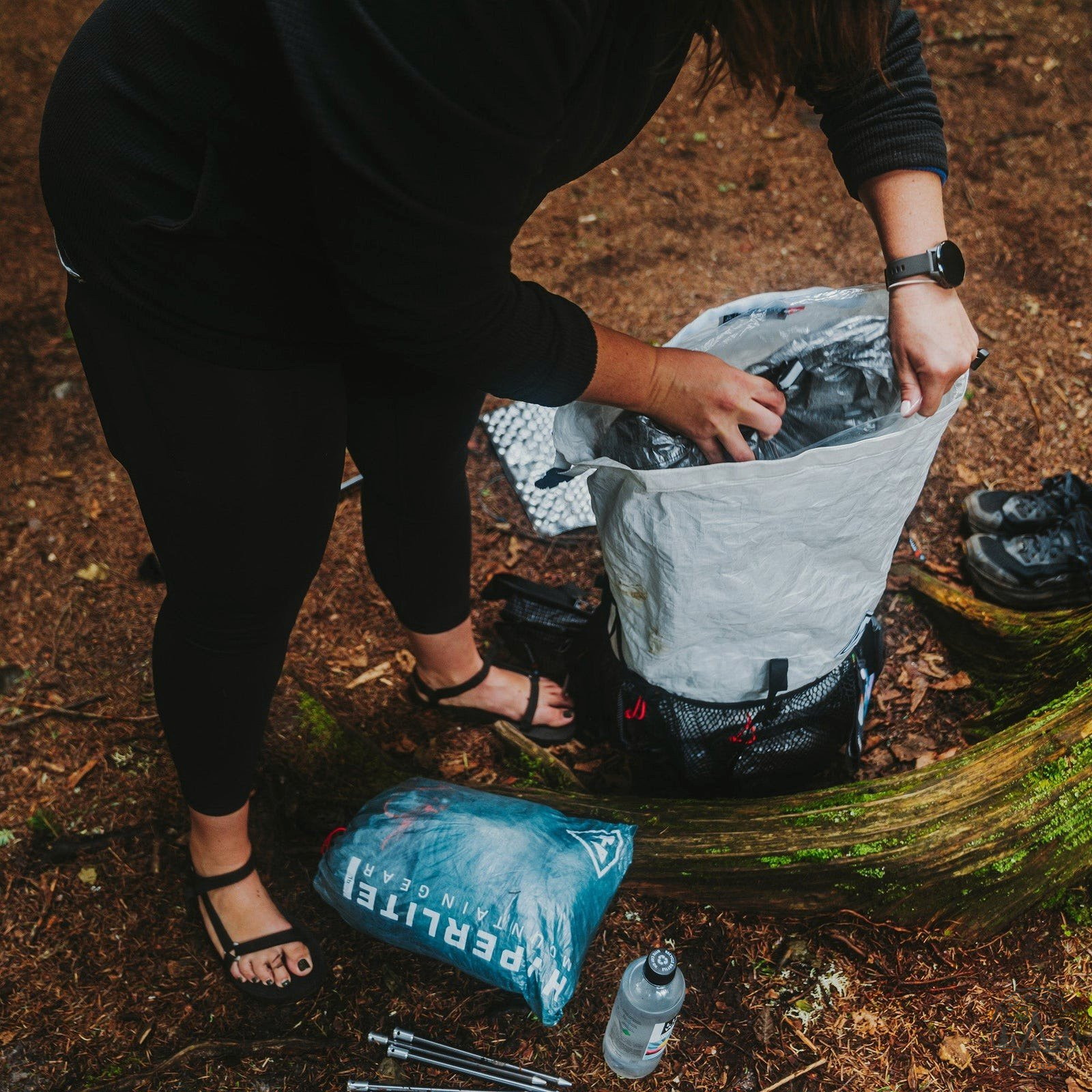
I cross-shopped it mentally against the Arc Haul Ultra 50: Zpacks offers more volume and a framed Ultra story; Junction offers Hyperlite’s Dyneema ecosystem and a smaller, weekend-appropriate size. Against the Exos, Junction wins toughness and weather personality; Exos wins airflow and pocket culture. Against Crown3, Junction wins fabric prestige and weight; Crown3 wins price and capacity.
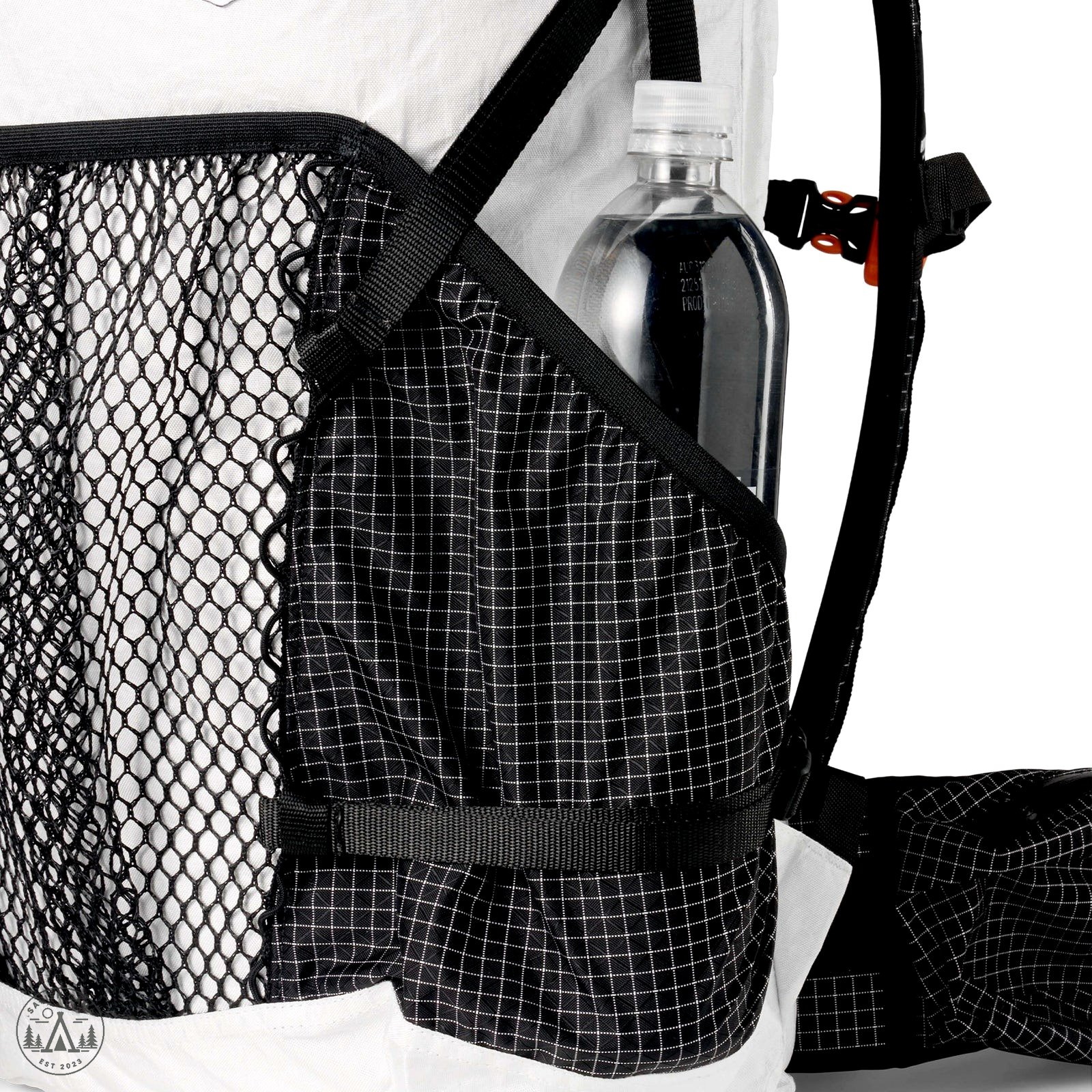
Care is standard Hyperlite etiquette: rinse grit, dry thoroughly, avoid unnecessary folding creases when possible, inspect seams and straps. Dyneema packs are investments; treat them that way.
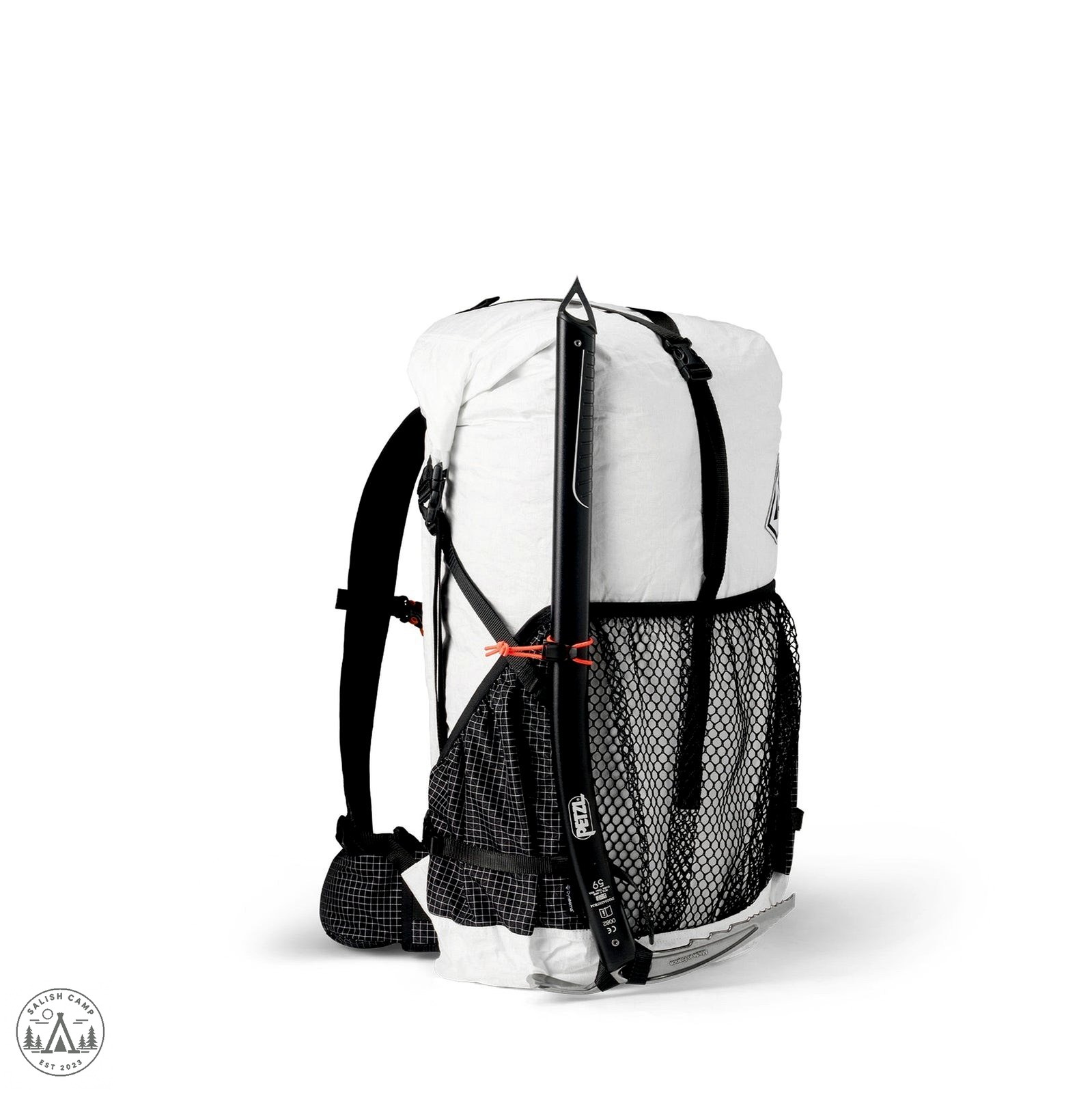
In the field, the Junction 40 feels like Hyperlite acknowledging that some hikers want the fabric without the most austere harness experience. For my Seattle weekends with a light kit and unreliable weather, that is a persuasive combination — especially when the pack sits next to an Unbound shelter and a stripped cook system.
Pros & Cons
Pros
- Dyneema toughness for Cascades brush and rain
- More conventional harness feel than older Hyperlite minimalism
- Composed carry when packed densely
- Practical exterior pockets
- Strong pairing with light Hyperlite kits
Cons
- 40L demands a dialed kit
- Less ventilated than Exos-style mesh packs
- Fewer stretch-mesh pockets than Mariposa
- Premium price
- Not ideal for heavy food weeks
Technical Specifications
| Product | Hyperlite Junction 40 |
|---|---|
| Brand | Hyperlite Mountain Gear |
| Price | ~$355 |
| Weight | ~29 oz / 822 g |
| Materials | Dyneema Composite |
| Capacity | 40 L |
| Best for | Minimalist overnights with more structure |
| Field focus | PNW weekends |
| Buy | Hyperlite Mountain Gear |
Final Thoughts
The Junction 40 is the Hyperlite I would hand to someone who likes Dyneema but wants a harness that feels less austere than classic Southwest minimalism. Pair it with a light shelter like the Unbound 2, keep a liner for real storms, and edit the kit to match 40 liters. Cross-shop the Southwest 40 if you already prefer that shape, the Arc Haul Ultra 50 for more framed volume, and the Mariposa 60 when soft comfort and capacity matter more than Dyneema.