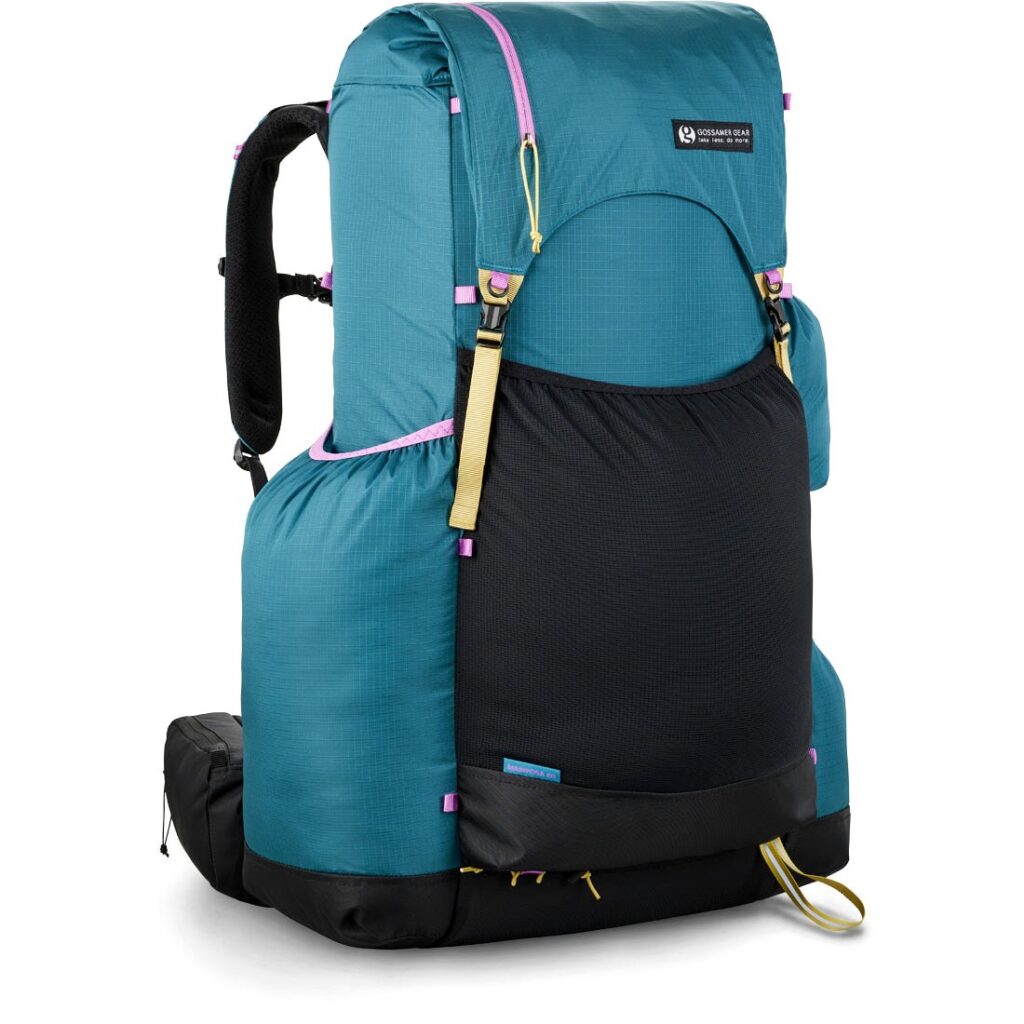
Buy if you want a soft, ventilated-feeling ultralight pack that still handles weeklong Cascades food loads without feeling like a rigid expedition tank. Skip if you prefer a conventional foam-and-plastic harness, need a heavily padded hipbelt for 40+ lb carries, or want Dyneema fabric toughness as the first priority.
What Stands Out
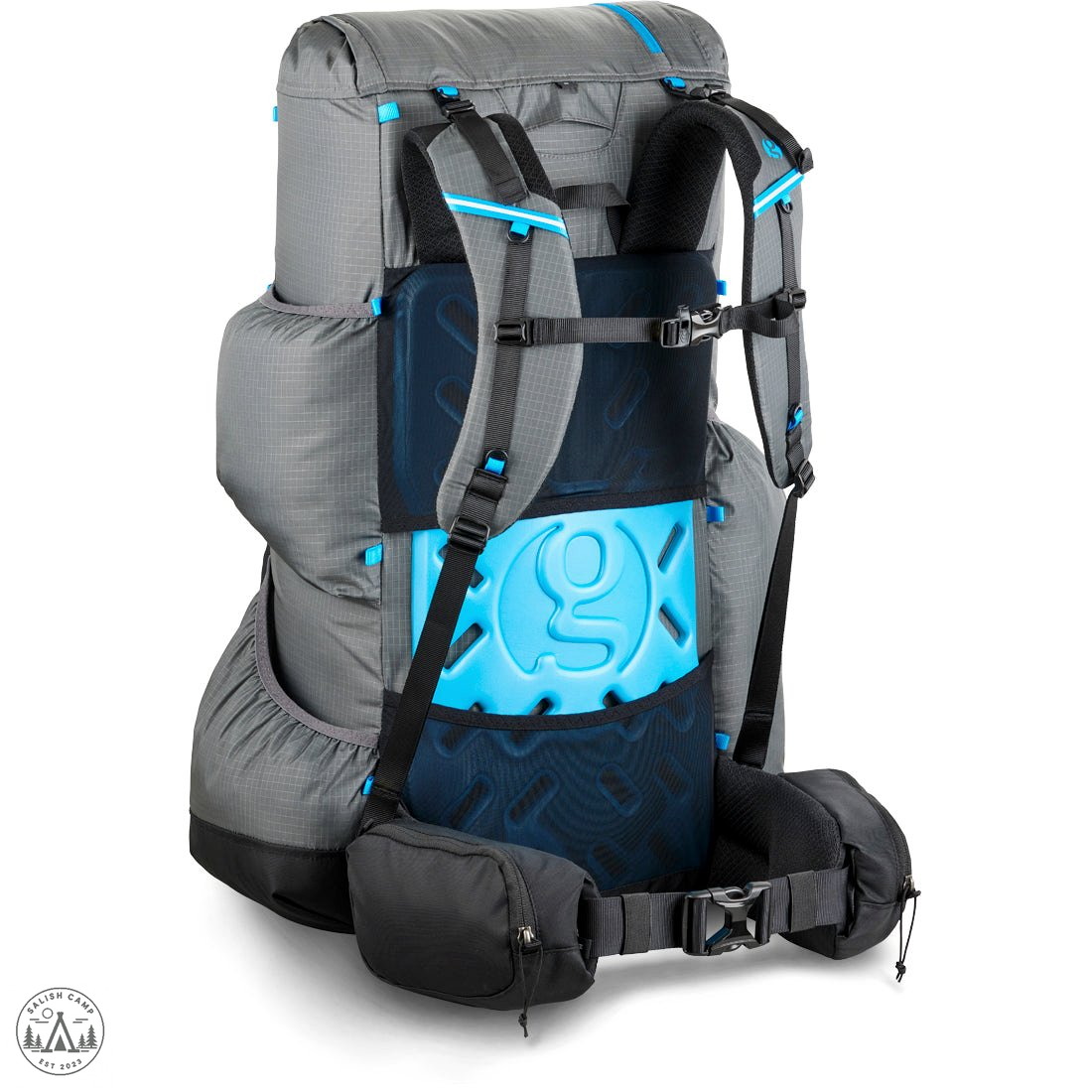
- Soft Robic nylon body with a removable sit pad / frame sheet that stays friendly on long miles.
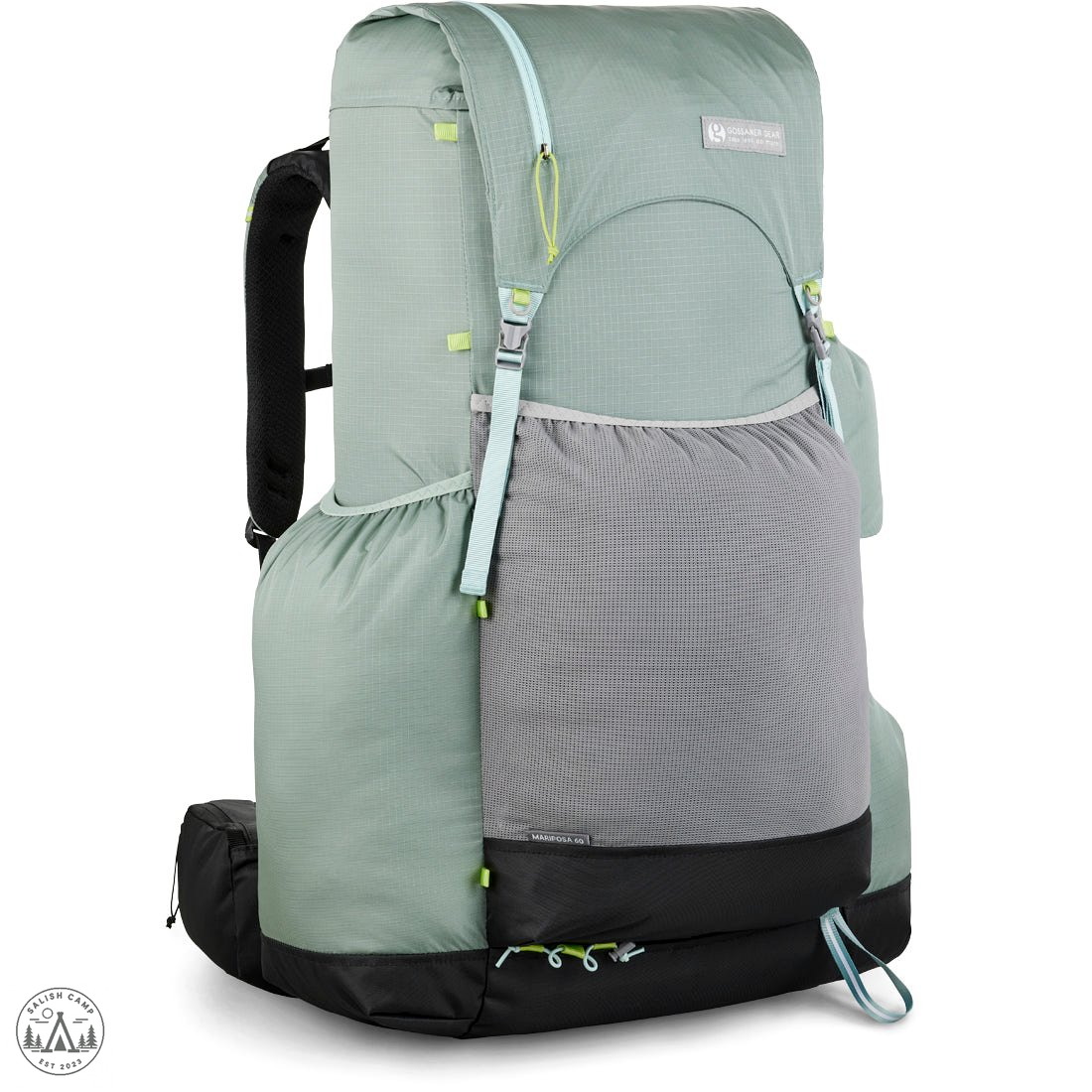
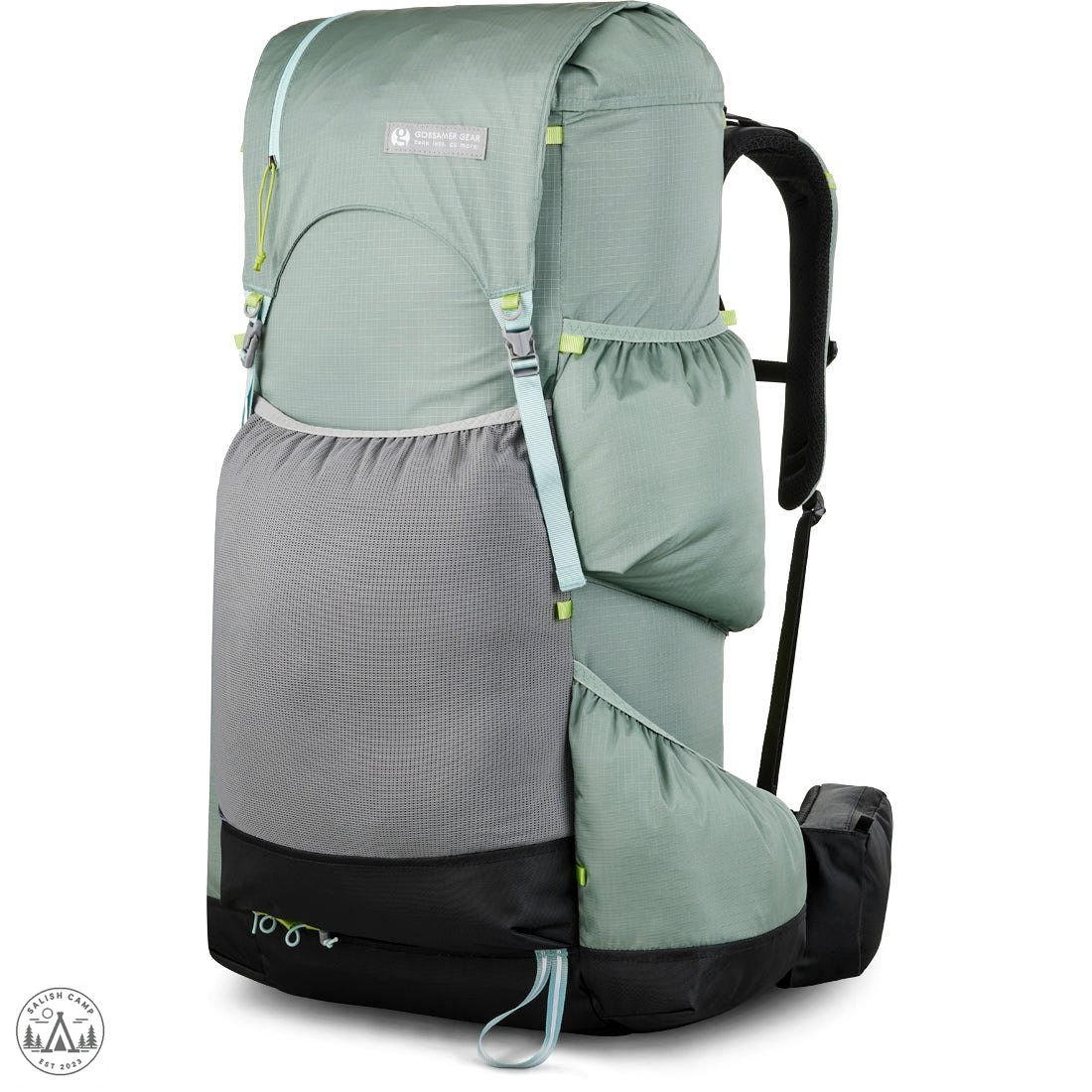
- Huge front mesh pocket that swallows rain jackets and wet layers without a zipper fight.
- Side mesh pockets sized for tall bottles and quick snacks on PNW climbs.
- Comfort-first hipbelt and shoulder harness that feel less board-like than many framed UL packs.
- Roll-top volume that expands for a bear can or contracts after a resupply.
- Frame-optional philosophy: keep the sit pad for structure, or strip weight when the kit is truly light.
- Honest ~30 oz class weight for a 60L pack that still organizes like a backpacker, not a stuff sack.
In The Field
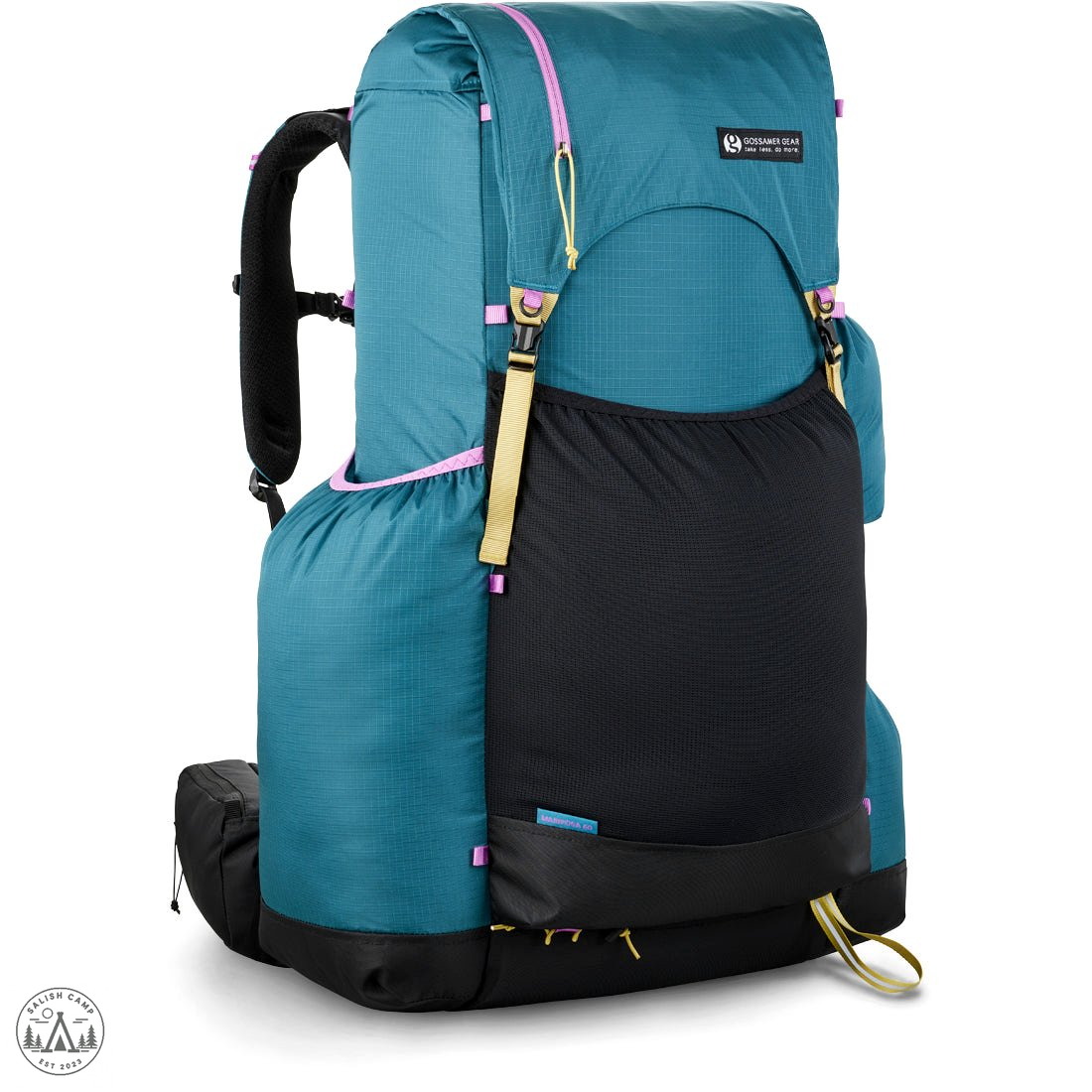
I took the Gossamer Gear Mariposa 60 on a weeklong Cascades loop where the food bag started heavy and the weather refused to pick a mood. Soft packs get marketed as “comfortable,” which can mean anything from hammock-soft to barely-there. The Mariposa’s version is specific: the sit pad / frame sheet stiffens the back just enough to keep the load from collapsing into a bowling ball against your spine, while the harness still feels closer to a running vest than a plastic panel. On a long climb out of a Middle Fork drainage, that mattered more than any gram chart.
Is it beginner friendly? Mostly yes, if you learn one packing rule: soft packs reward vertical stacking and hate loose voids. Dense food and water stay low and close to the back; the sleep system sits mid-pack; mesh pockets take wet and grabby items. A novice who dumps gear randomly will feel the Mariposa sag. Practice with a full load on a Seattle hill before the first storm overnight. Once the sit pad is seated and the hipbelt sits on the iliac crest, the pack stops feeling mysterious.
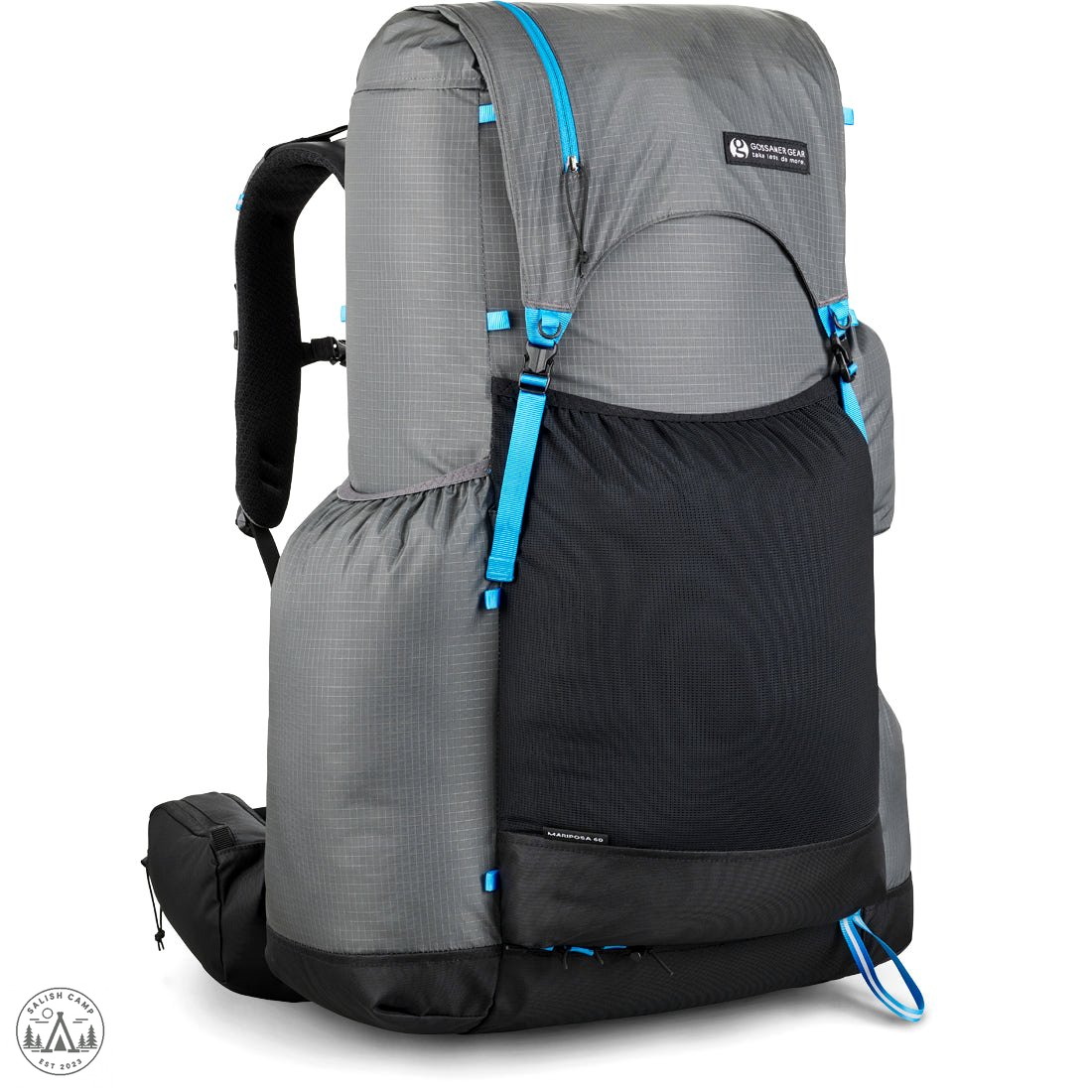
The front mesh pocket is the feature I use constantly in the Northwest. Afternoon showers, trailhead sweat layers, and gloves that are never fully dry all go there. Mesh drains and airs better than a zippered dump pocket, and I can grab a shell without opening the roll top. On a damp ridge near Snoqualmie Pass, I stuffed a dripping rain jacket in the mesh and kept the main compartment honestly drier. That workflow is why I still prefer mesh-forward UL packs for three-season Cascades trips.
Carry comfort sits in a useful middle. With a careful ~25–30 lb start weight, the Mariposa stayed calm on rocky switchbacks. Push higher and you feel more bounce than on a stiffer Exos or a framed Arc Haul. The Mariposa wants you to edit the kit, not muscle through bad packing. Compared with the Hyperlite Southwest 40, you get more volume and a softer contact feel, but less Dyneema toughness.
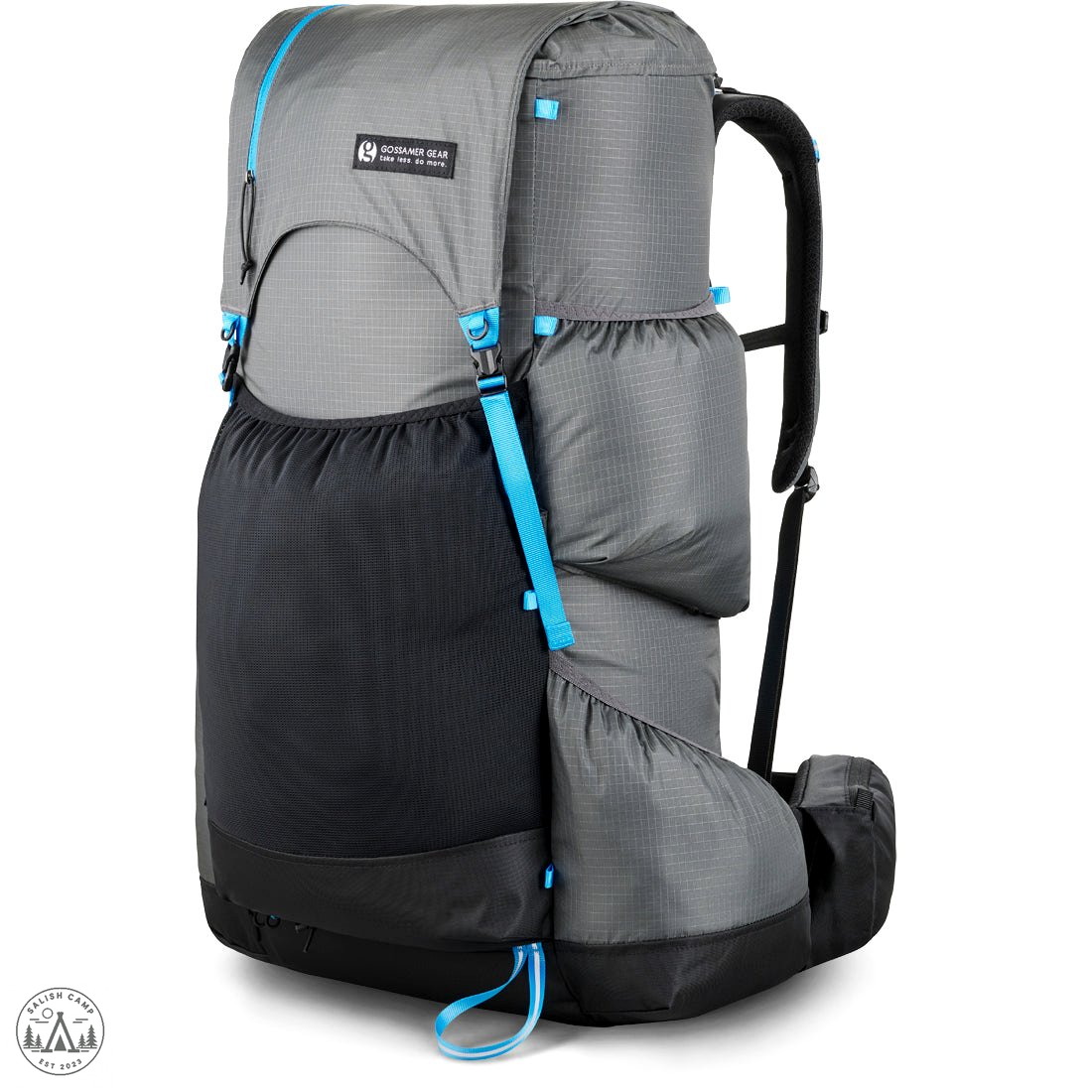
Hipbelt and shoulder straps show Gossamer Gear’s soft-pack DNA. The belt wraps without hot spots for me on multi-day trips, and the shoulders avoid the sharp ridge I feel on some minimalist foam straps. Ventilation is good for a closed sit-pad design, though it is not an air-gap trampoline like Osprey’s AirSpeed. On hot August ridge walks I still got a damp shirt; on cool September days the trade felt irrelevant. If overheating is your primary complaint, look next at the Osprey Exos 58.
Organization is pocket-forward rather than zipper-forward. Side mesh pockets take bottles or a filtered liter and still leave room for a tent-pole bag. There is no labyrinth of admin panels, which I treat as a feature. Phone, map, and snacks live where my hands already go. For people coming from traditional packs, that can feel sparse for a week until it feels liberating.
Robic nylon durability has been honest in brush and on granite sits. It is not Dyneema. I still baby the pack against sharp basalt and avoid dragging it. After scraping through a tight hemlock tunnel, I inspected mesh and body and found nothing dramatic. Mesh pockets remain the wear item to watch: they catch sticks. I accept that because pocket access is worth more to me than ballistic fabric there.
Volume at 60 liters is the quiet advantage over many “serious UL” 40L bags. I can carry a bear canister, a warmer shoulder-season quilt, and still keep the roll top from looking pregnant. After a resupply, I compress and the pack shortens. That flexibility matters on Cascades trips that mix alpine nights with valley food carries. The Southwest 40 forces a stricter kit; the Mariposa forgives a real food bag.
Who should skip it? Hikers who want maximum abrasion armor, people carrying heavy winter kits, and anyone who dislikes soft packs on principle. Also skip if you need a highly ventilated trampoline backpanel for heat issues. The Mariposa is a comfort-and-access tool for dialed three-season loads, not a do-everything expedition chassis.
For my Seattle-based kit, I pair it with a light shelter, a compact cook system, and the discipline to keep base weight honest. Cross-shopping is straightforward: Southwest 40 when Dyneema toughness and smaller volume are the point; Exos when airflow is non-negotiable; Arc Haul Ultra when framed Ultra fabric at absurd weight wins; Crown3 when budget capacity matters more than boutique fabric.
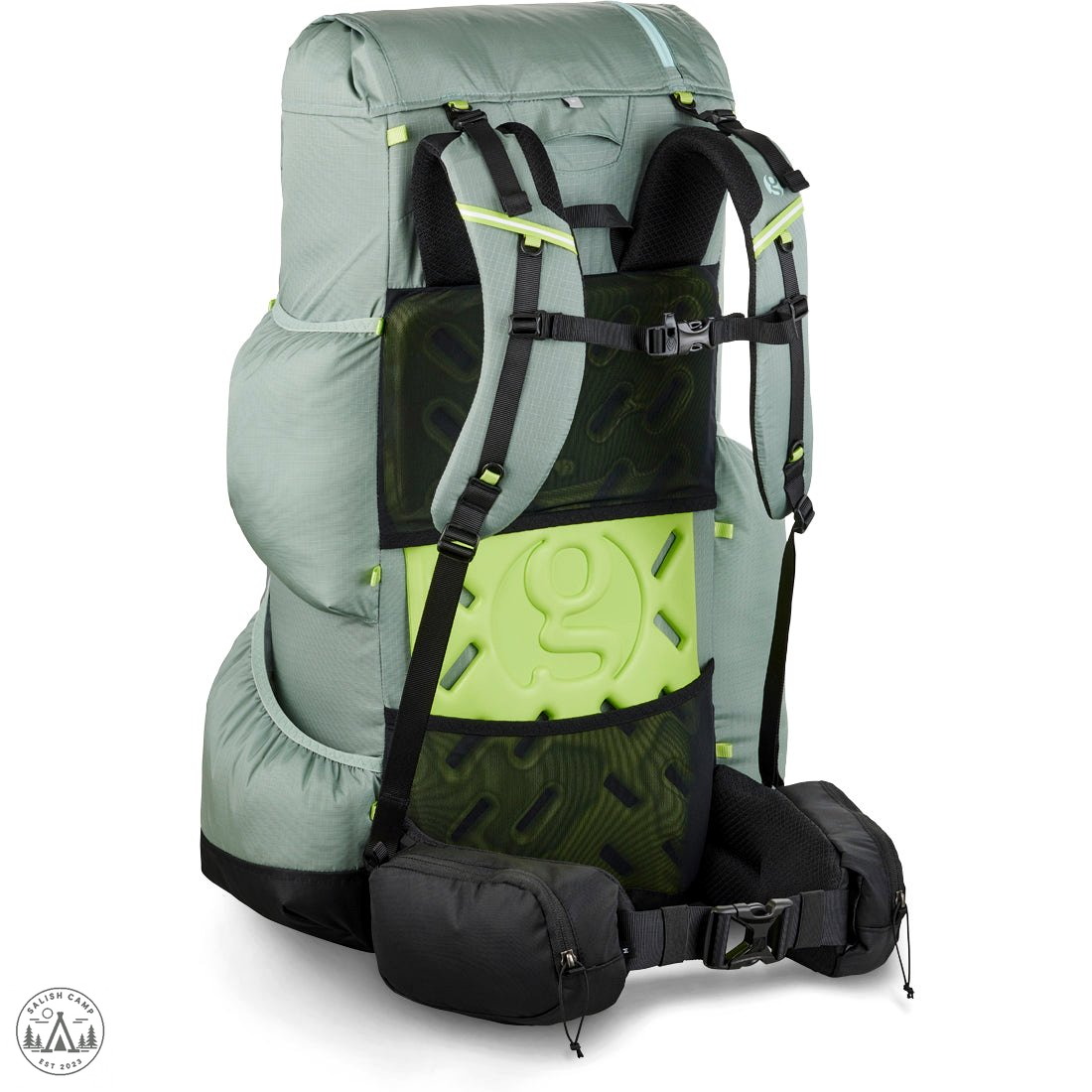
Field maintenance is simple. Dry the mesh after wet trips, knock grit from the sit pad sleeve, and check hipbelt stitching. I do not machine-blast UL packs. Stored loosely at home, the Mariposa keeps its shape better than packs crushed in a bin for months.
After several Northwest nights, the strongest argument is how little drama it adds to a long day. It does not ask me to become a frameless ideologue, and it does not pretend to be a 45 lb hunting pack. It asks for thoughtful packing, then returns comfortable miles and easy pocket access.
If you are building a first ultralight kit, the Mariposa is a forgiving teacher. The volume prevents the panic of a too-small pack, and the soft harness makes early long days less punishing while you learn what base weight really means. If you are already deep into Dyneema and gram charts, it may feel like a step sideways into comfort — which, on wet Cascades weeks, is often the smarter direction.
Pros & Cons
Pros
- Genuinely comfortable soft harness for multi-day miles
- Excellent front and side mesh access in rain
- 60L volume handles real food and bear cans
- Frame-optional flexibility
- Friendly learning curve for new UL hikers
Cons
- Not as tough as Dyneema composite packs
- Less ventilated than trampoline-back designs
- Soft structure punishes careless packing
- Mesh pockets are a wear point in dense brush
Technical Specifications
| Product | Gossamer Gear Mariposa 60 |
|---|---|
| Brand | Gossamer Gear |
| Price | ~$300 |
| Weight | ~30 oz / 850 g (medium) |
| Materials | Robic nylon / mesh |
| Capacity | 60 L class |
| Best for | Comfortable ultralight multi-day loads |
| Field focus | Weeklong Cascades routes |
| Buy | Gossamer Gear |
Final Thoughts
The Mariposa 60 earns a place when comfort and pocket access matter as much as the scale reading. I would buy it for weeklong Cascades trips with a full food bag, maintain the mesh and sit pad, and pack dense items against the back. Cross-shop the Hyperlite Southwest 40 for tougher fabric in less volume, the Exos 58 for maximum airflow, and the Hyperlite Unbound 2 when refining the shelter half of the same light kit. The right pack is the one that keeps you walking comfortably in actual Northwest weather.