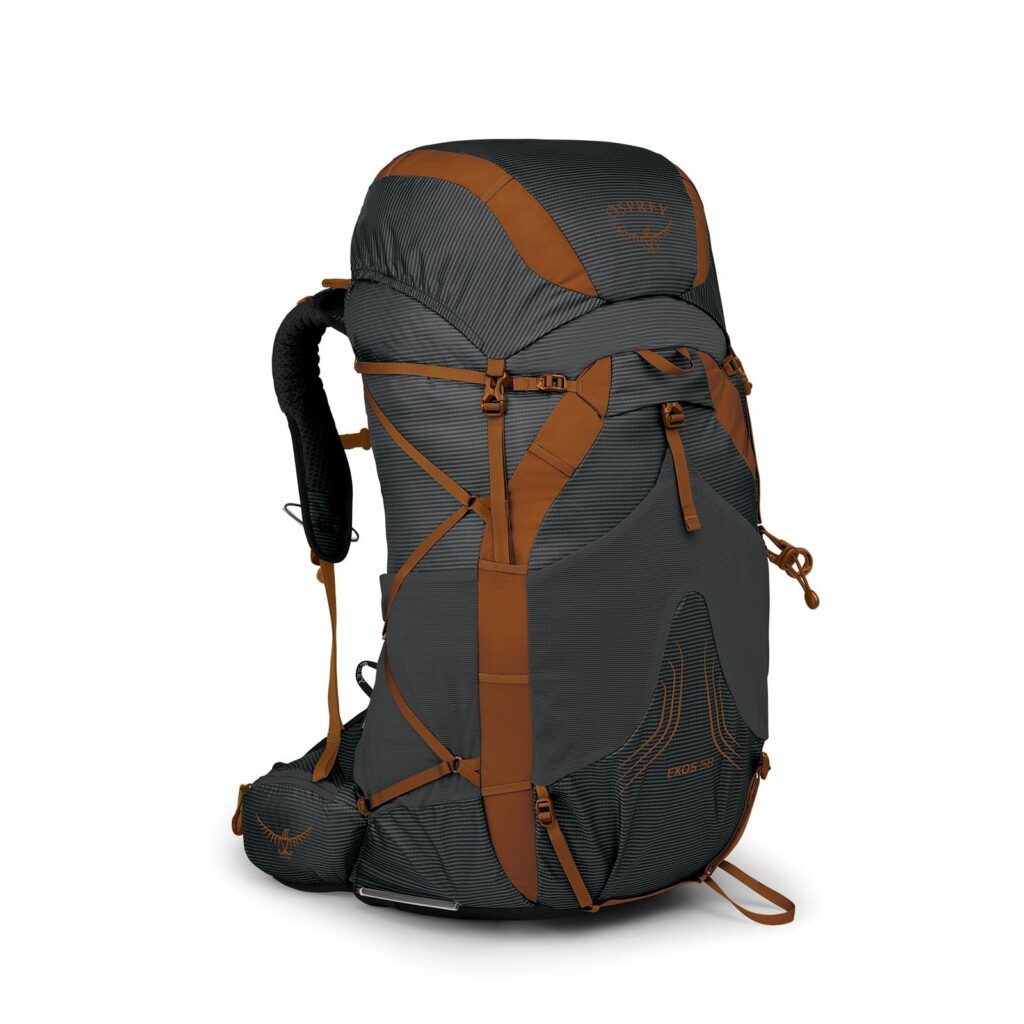
Buy if you run hot on climbs and want a true ventilated ultralight pack with Osprey’s familiar lids, pockets, and fit system. Skip if you need maximum abrasion toughness, prefer a soft frameless feel, or want the absolute lightest Dyneema-class 50L option.
What Stands Out
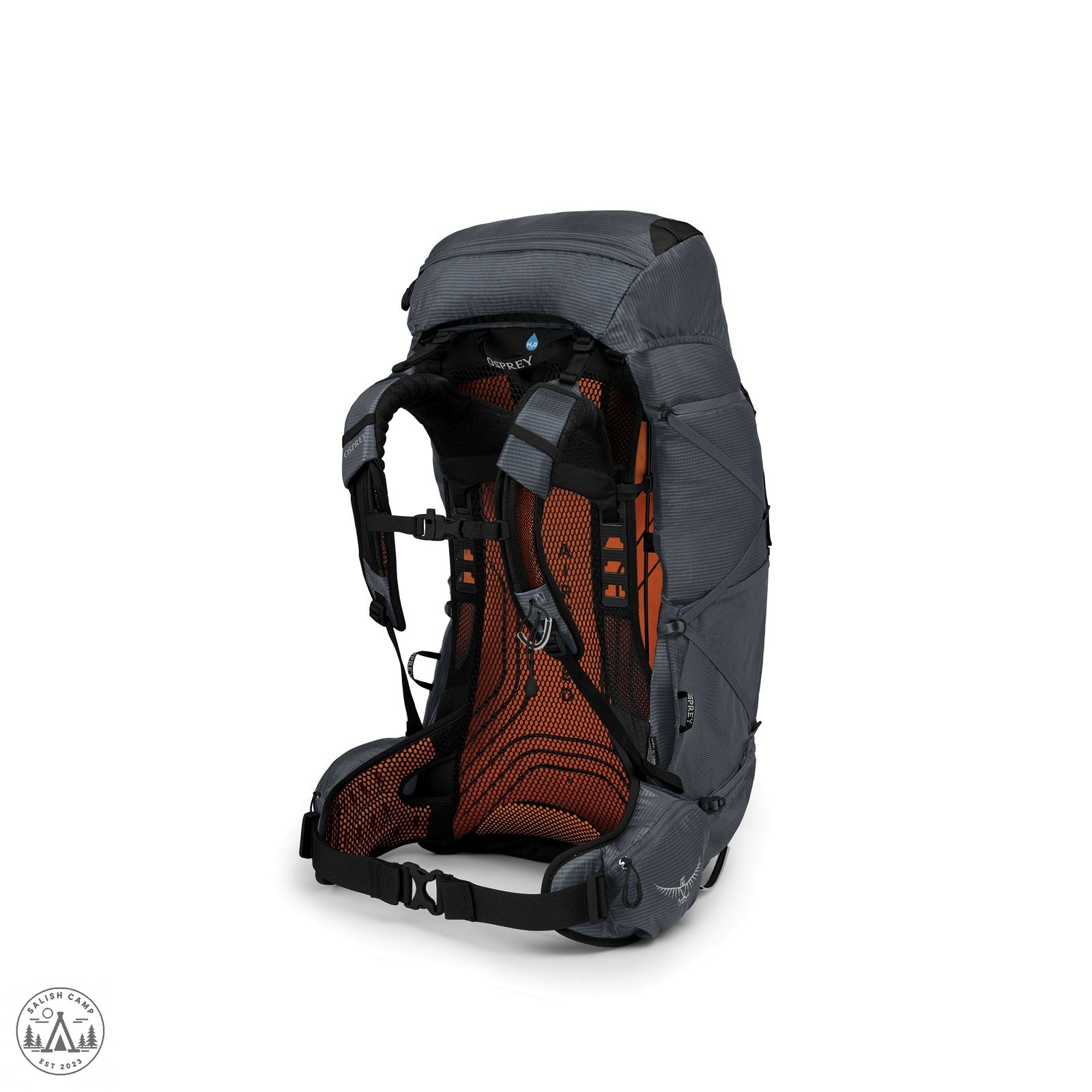
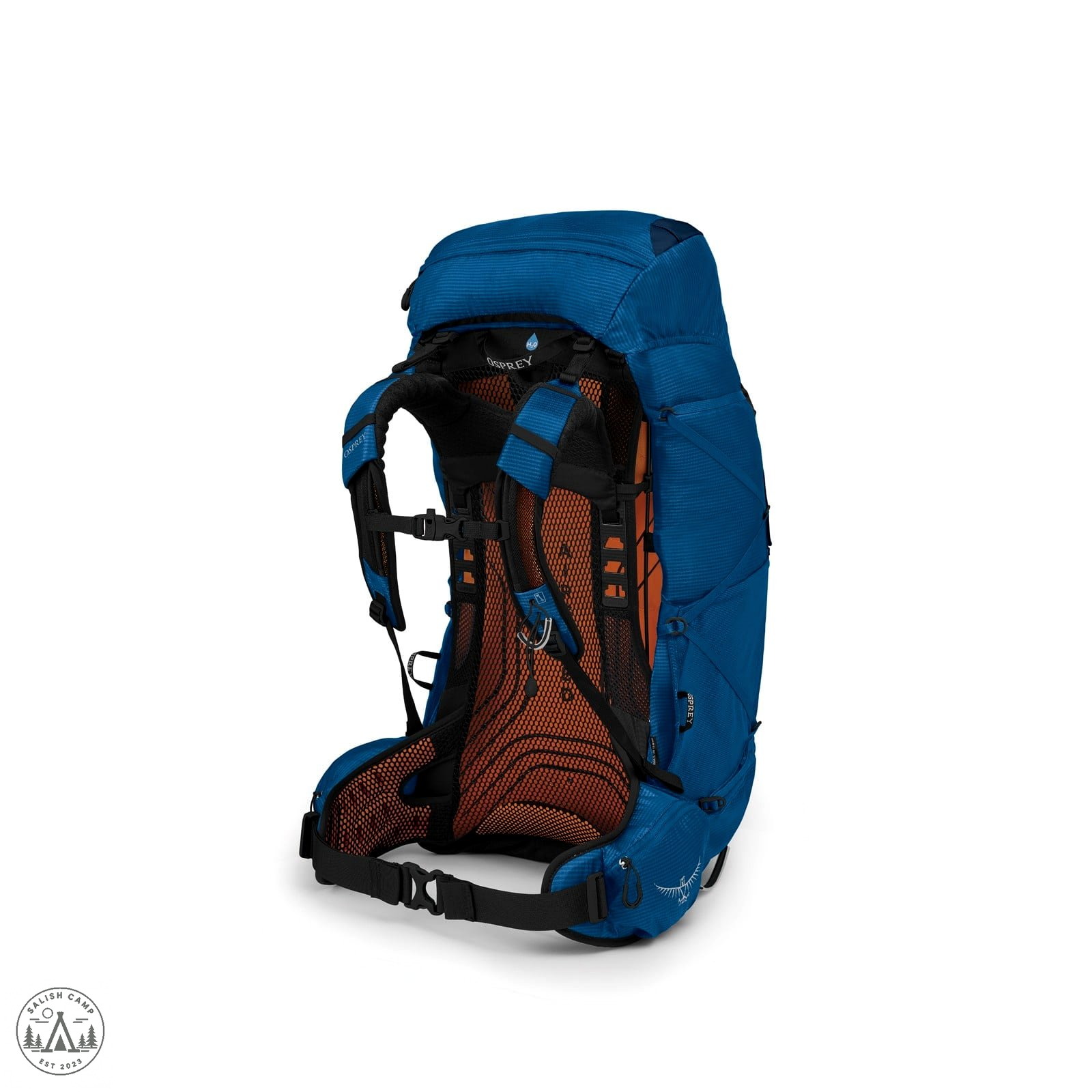
- AirSpeed suspended mesh backpanel that creates a real air gap on sweaty Cascades climbs.
- Exos ultralight chassis that still feels like an Osprey, not a stuff sack with straps.
- Removable floating lid with FlapJacket option for stripping grams after you trust the kit.
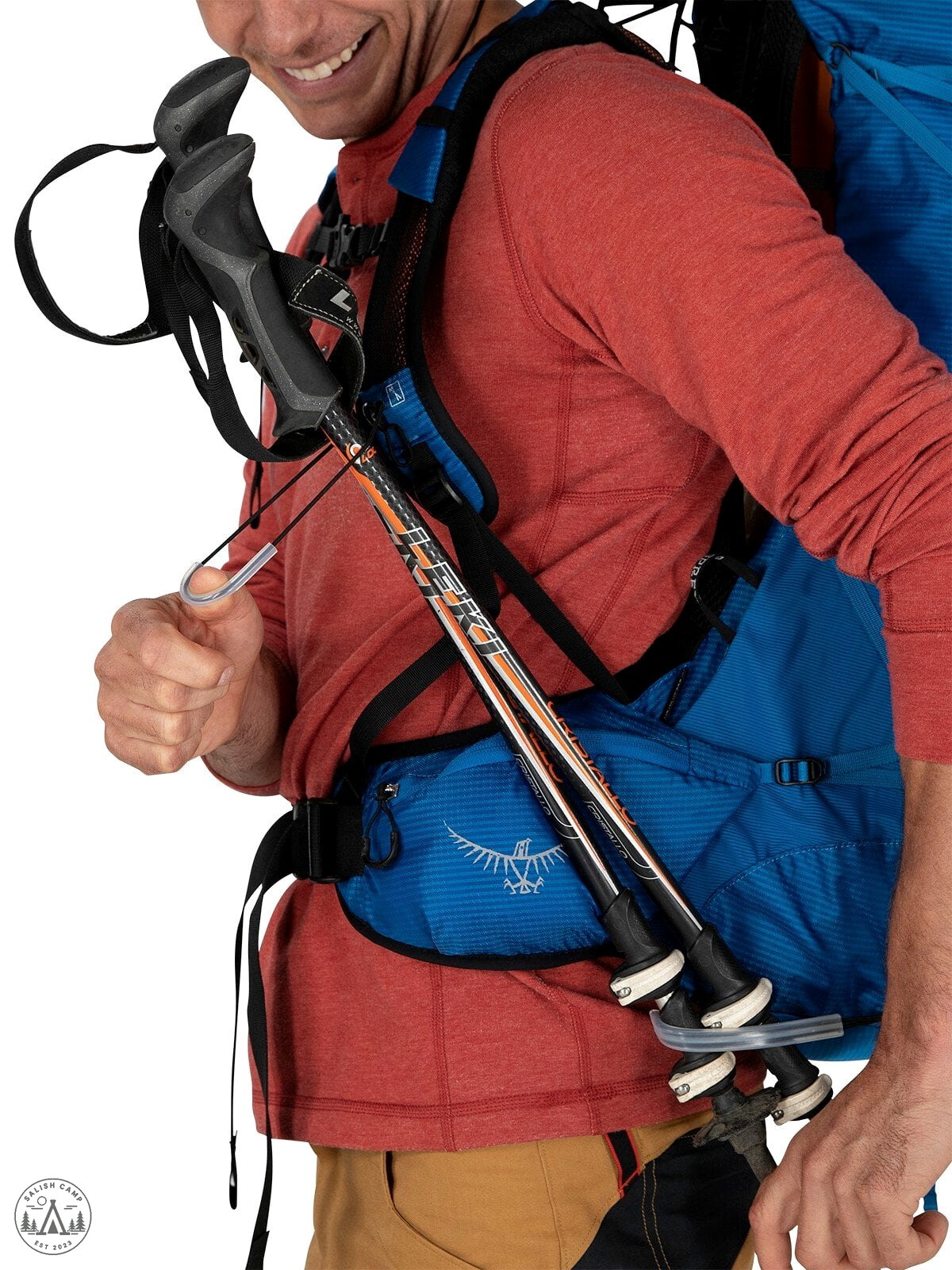
- Dual zippered hipbelt pockets that actually hold a phone and snacks while moving.
- Stretch mesh front and side pockets for wet layers and bottles.
- Load lifters and a tunable fit that help when the food bag is still dense on day one.
- A comfort-to-weight ratio aimed at multi-day trips rather than gram-weenie overnight dashes.
In The Field
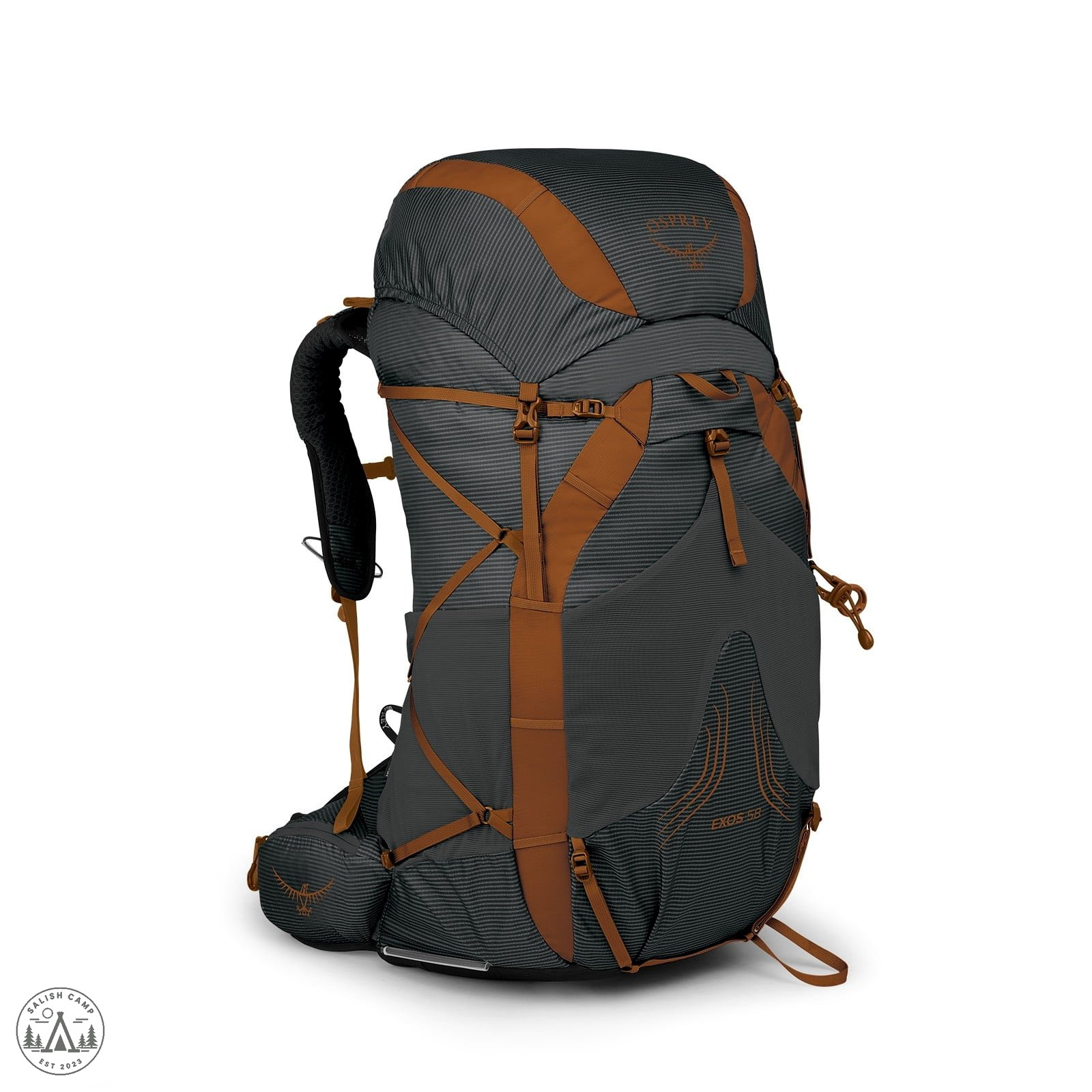
On a hot ridge traverse above the Alpine Lakes, the Osprey Exos 58 made its case before lunch. I run warm. Traditional foam backpanels turn into a wet sponge against my shirt by the second climb, and that discomfort becomes the whole trip if I ignore it. The Exos AirSpeed mesh holds the pack off my back with a trampoline gap that lets air move. It is not marketing vapor. I could feel cooler airflow whenever a breeze found the ridge, and even in still forest the sweat pattern was less glued-on than with a solid panel pack.
Is it beginner friendly? Yes — more than most ultralight packs. Osprey’s sizing, hipbelt pockets, and lid logic feel familiar if you have ever used a daypack from the brand. A new backpacker can load the Exos without learning frameless packing theory on day one. Fit torso length carefully; a ventilated pack that sits wrong is just an expensive sail. Load ~25 lb and walk stairs before the first overnight.
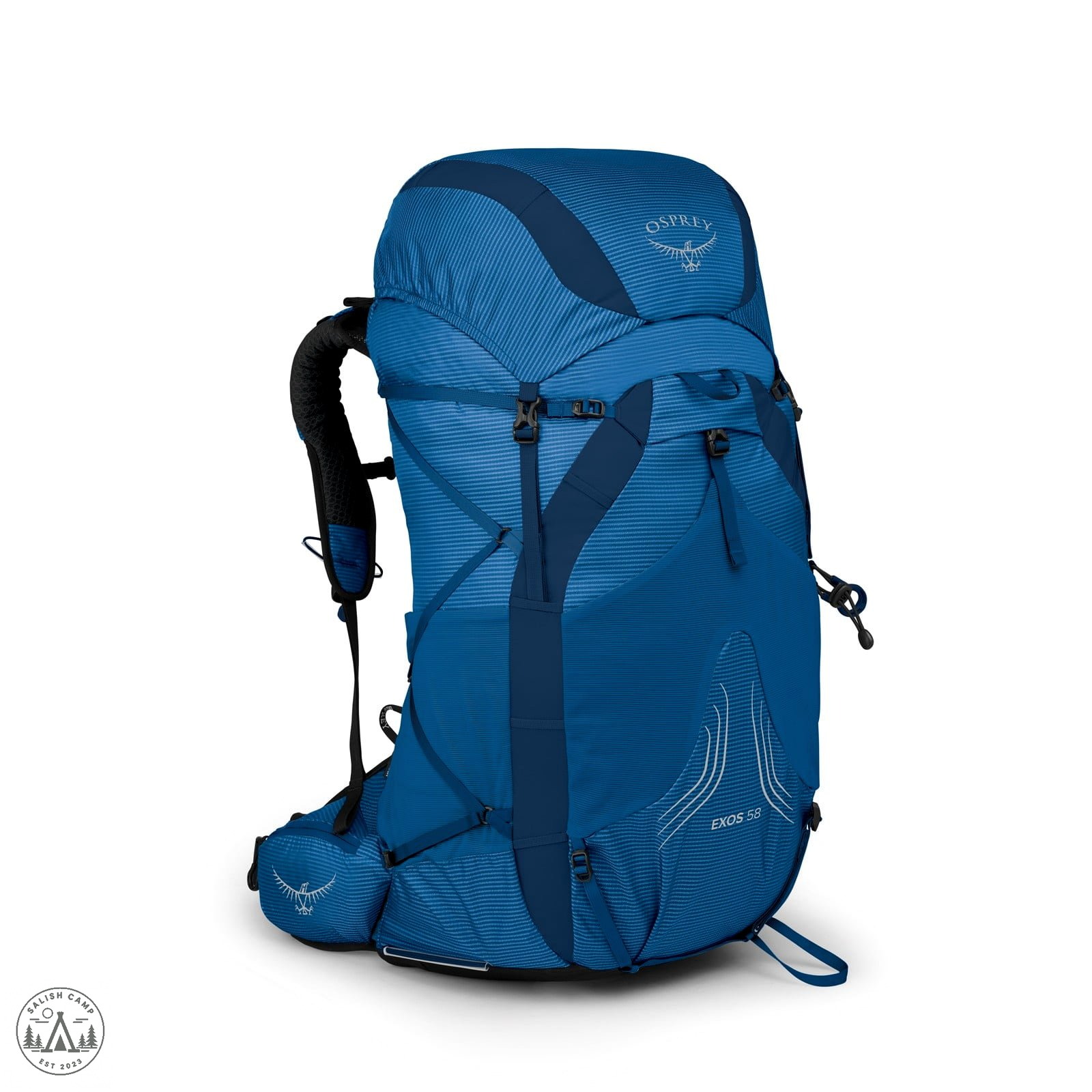
I tested the mesh where it matters: sustained climbs with a full food load. The gap reduces that sticky full-back sweat map. Tradeoffs exist. In cold wind, the same gap can feel breezy against a damp shirt; I add a thin layer rather than blaming the pack. Snow or heavy brush can deposit more debris into the mesh than a closed panel. I shake it out at camp. For three-season Cascades use, the ventilation win dominates those annoyances.
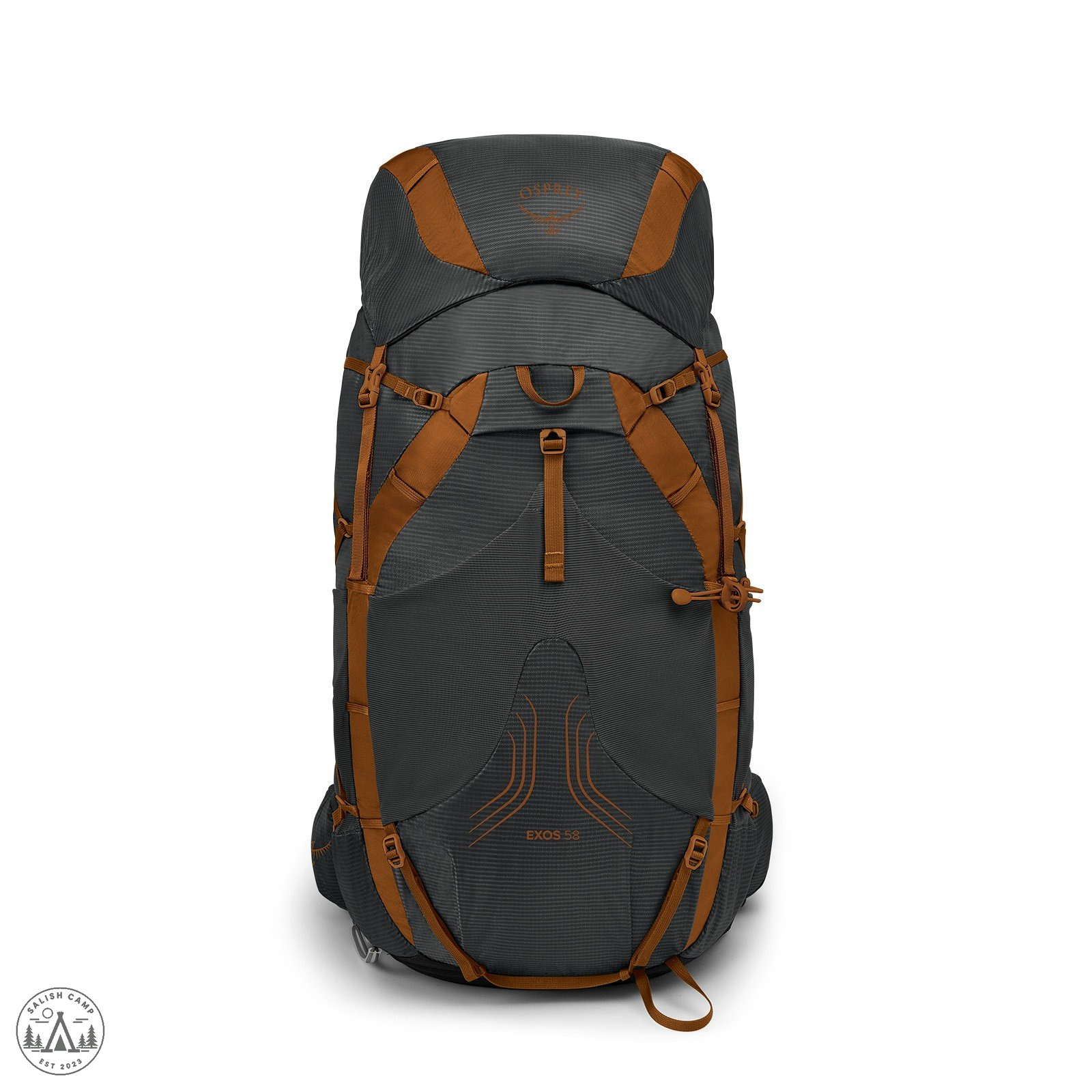
Organization still feels like Osprey. The floating lid holds sunscreen, a headlamp, and a spare beanie. Hipbelt zip pockets keep a phone and gels reachable. Side mesh pockets take bottles. Front mesh takes the rain jacket. Compared with a roll-top Dyneema bag like the Southwest 40, you get more places for things and less ultralight minimalism. That is either the point or the deal-breaker.
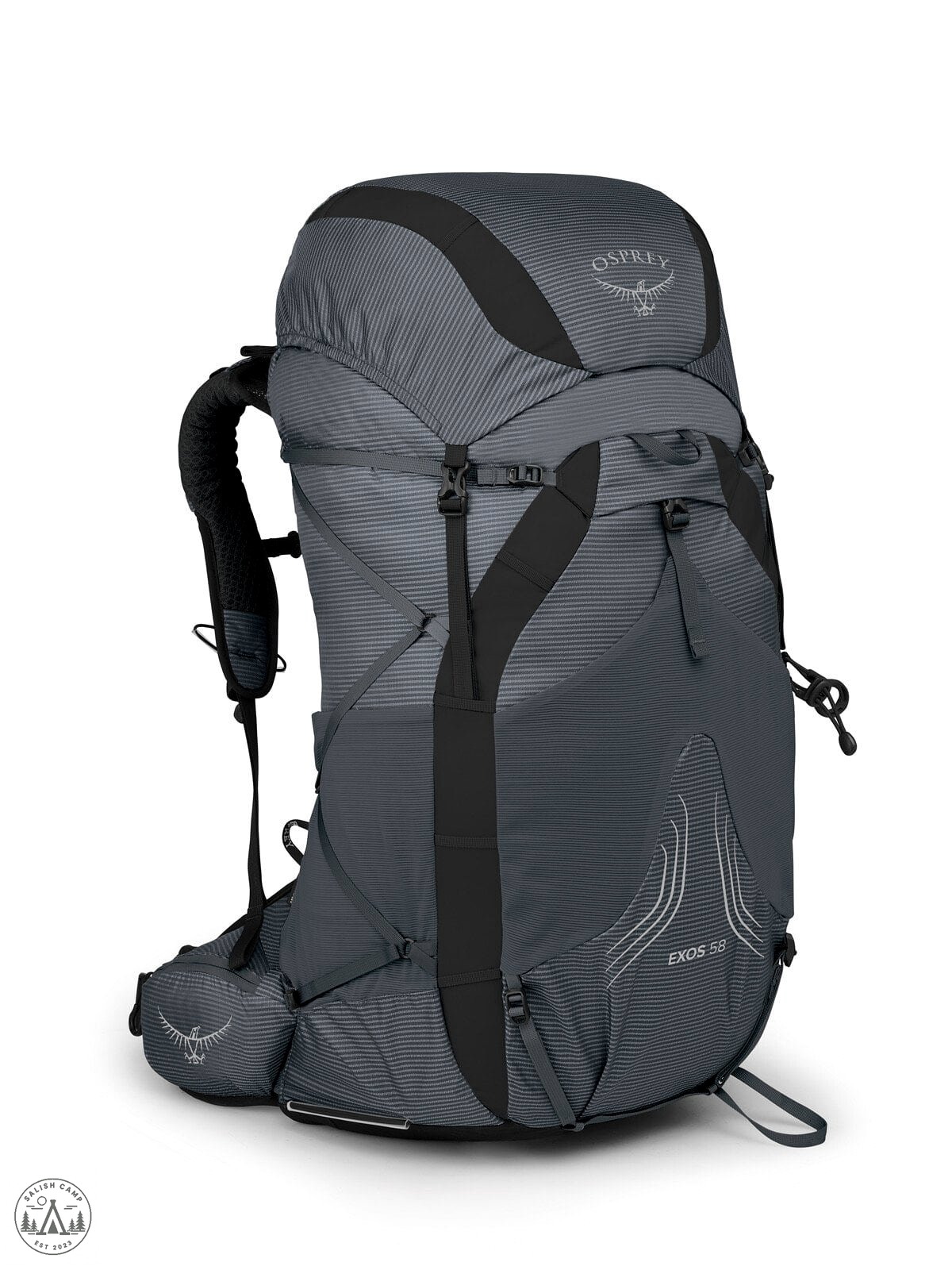
Carry stability is solid for the weight class. With a dialed 25–32 lb start weight the Exos tracked well on talus and switchbacks. Load lifters help keep the top from pulling backward. Remove the lid and use the FlapJacket once you trust your kit — I did this on a shorter shoulder-season trip and liked the cleaner carry. Just remember you also remove lid pocket convenience.
Durability is ultralight Osprey, not bombproof canvas. Fabrics are light on purpose. I avoid scraping granite and I watch the mesh against sharp brush. After a brushy traverse near Granite Mountain I found no catastrophic tears, but I also did not treat it like a haul bag. If you want Dyneema toughness first, look at Hyperlite or Zpacks instead.
Fit is personal. Osprey’s Exos/Eja family covers men’s and women’s geometry; get the right one. I care more about hipbelt position and torso match than about colorways. Once fitted, the Exos disappears more than most UL packs with solid foam backs — until I stop and notice my shirt is less soaked.
Comparisons clarify the purchase. Choose Exos when heat management and familiar organization win. Choose the Mariposa 60 when soft contact comfort and huge mesh access matter more than an air gap. Choose the Arc Haul Ultra 50 when framed Ultra fabric at extreme light weight is the priority. Choose Junction or Southwest when you want Hyperlite’s fabric toughness and a more minimalist feature set.
On rainy Seattle-adjacent weekends, ventilation is less of a starring feature and pocket access matters more. I keep a rain cover available for prolonged storms; ultralight fabrics are water-resistant, not magic. Wet mesh holds water weight until you shake and air it. That is normal, not a defect.
For my PNW kit, the Exos is the pack I grab when the forecast is warm ridges and long climbs. It is not the pack I grab when I am cutting every gram for a fast overnight with a Dyneema shelter like the Unbound 2 and a tiny cook kit. Matching the pack to the trip’s thermal and organizational needs beats owning one perfect bag.
Maintenance: rinse grit from the mesh, dry fully, spot-clean, store loosely. Check trampoline tension and hipbelt stitching occasionally. Osprey’s repair culture is a real advantage if something eventually fails.
After repeated hot climbs, my verdict is practical. The Exos 58 solves a specific human problem — overheating under a pack — without abandoning the organization habits that make multi-day trips calmer. If that problem is yours, the weight and fabric compromises are easy to accept. If you never overheat and you crave Dyneema armor, spend the money elsewhere.
Pros & Cons
Pros
- Excellent ventilated carry for warm climbs
- Familiar Osprey fit and organization
- Useful hipbelt and lid pockets
- Removable lid / FlapJacket flexibility
- Beginner-friendlier than most UL packs
Cons
- Heavier than Dyneema-class framed packs
- Mesh can collect debris and hold water
- Less abrasion-tough than composite fabrics
- Air gap can feel cool in cold wind
Technical Specifications
| Product | Osprey Exos 58 |
|---|---|
| Brand | Osprey |
| Price | ~$240 |
| Weight | ~2 lb 12 oz / 1.26 kg |
| Materials | NanoFly / mesh |
| Capacity | 58 L class |
| Best for | Ventilated multi-day backpacking |
| Field focus | Hot ridge traverses |
| Buy | Osprey |
Final Thoughts
Buy the Exos 58 for warm, climb-heavy trips where a soaked back ruins the day. Fit it carefully, use the pockets as designed, and strip the lid only after the kit is proven. Cross-shop the Mariposa 60 for softer carry, the Southwest 40 for tougher fabric in less volume, and the Arc Haul Ultra 50 when extreme light weight leads. Cooler miles are a legitimate performance feature — treat them that way.