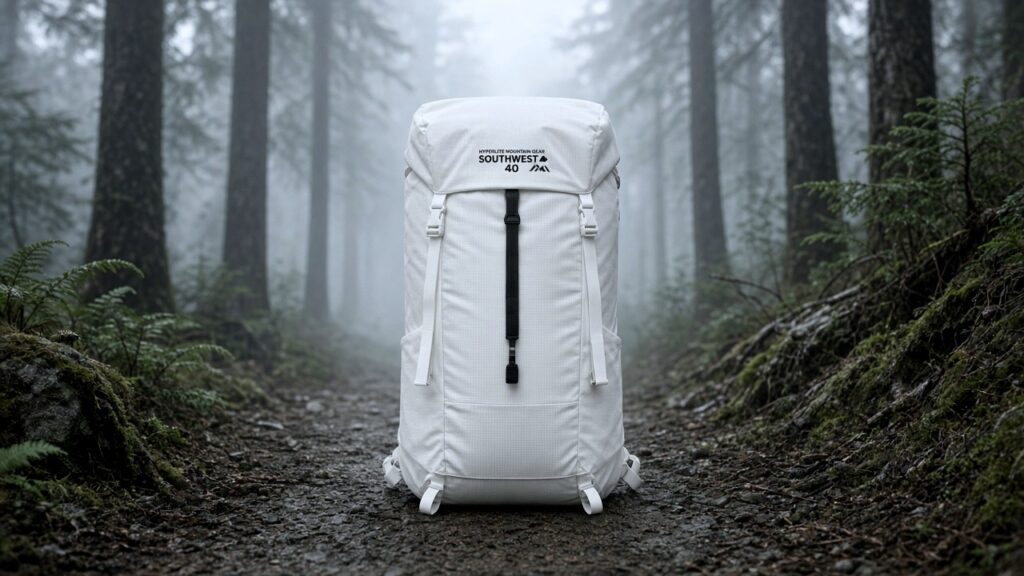
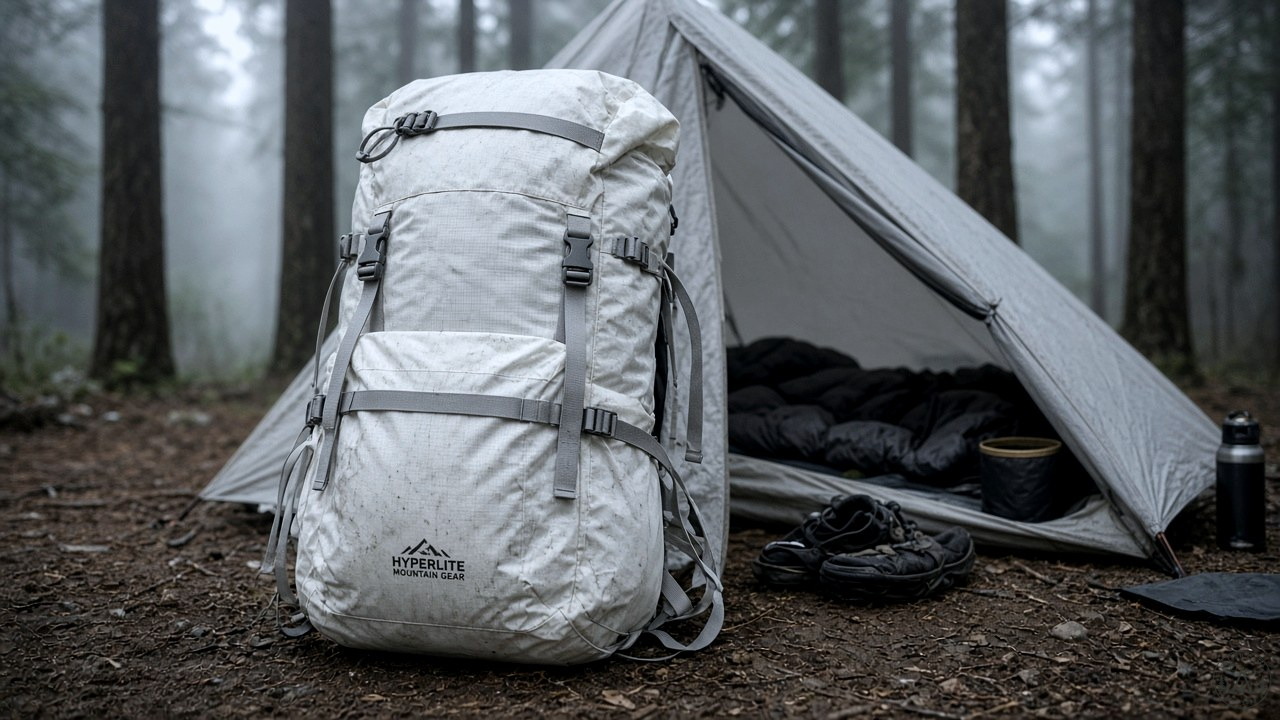
The Hyperlite Mountain Gear Southwest 40 is a minimalist ultralight backpack built for hikers who have already refined their gear choices and want a durable, weather-resistant pack that carries efficiently without unnecessary features. Using Dyneema Composite Fabric construction, weighing approximately 30 ounces, and offering roughly 40 liters of capacity, it is designed around a simple idea: carry less, move farther, and protect critical gear from changing conditions. For Pacific Northwest backpacking, where rain, brush, muddy trails, and long climbs are normal, the Southwest 40 delivers an impressive combination of durability, organization, and low weight. The tradeoff is that it rewards disciplined packing. It is not a traditional expedition pack designed to comfortably haul heavy loads, and beginners carrying oversized equipment may find its minimalist suspension less forgiving.
What Stands Out
- Dyneema Composite Fabric construction: The Southwest 40 uses a lightweight, highly durable material that provides excellent abrasion resistance and weather protection compared with many conventional backpack fabrics.
- Minimalist 40-liter design: The compact volume encourages efficient packing while still providing enough room for multi-day three-season backpacking systems.
- Large external side pockets: The Southwest series layout makes water bottles, rain gear, snacks, and frequently used items accessible without removing the pack.
- Weather-resistant roll-top design: The pack helps protect equipment during rainy Northwest trips, although it should not be treated as completely waterproof.
- Lightweight framed support: The internal structure provides more load support than frameless ultralight packs while keeping total weight near 30 ounces.
- Ultralight system compatibility: The pack pairs naturally with lightweight shelters such as the Hyperlite Unbound 2 review (Hyperlite Unbound 2 review) and compact cooking kits.
- Requires thoughtful loading: The Southwest 40 performs best when paired with lightweight equipment and proper weight distribution rather than heavy traditional camping gear.
In The Field
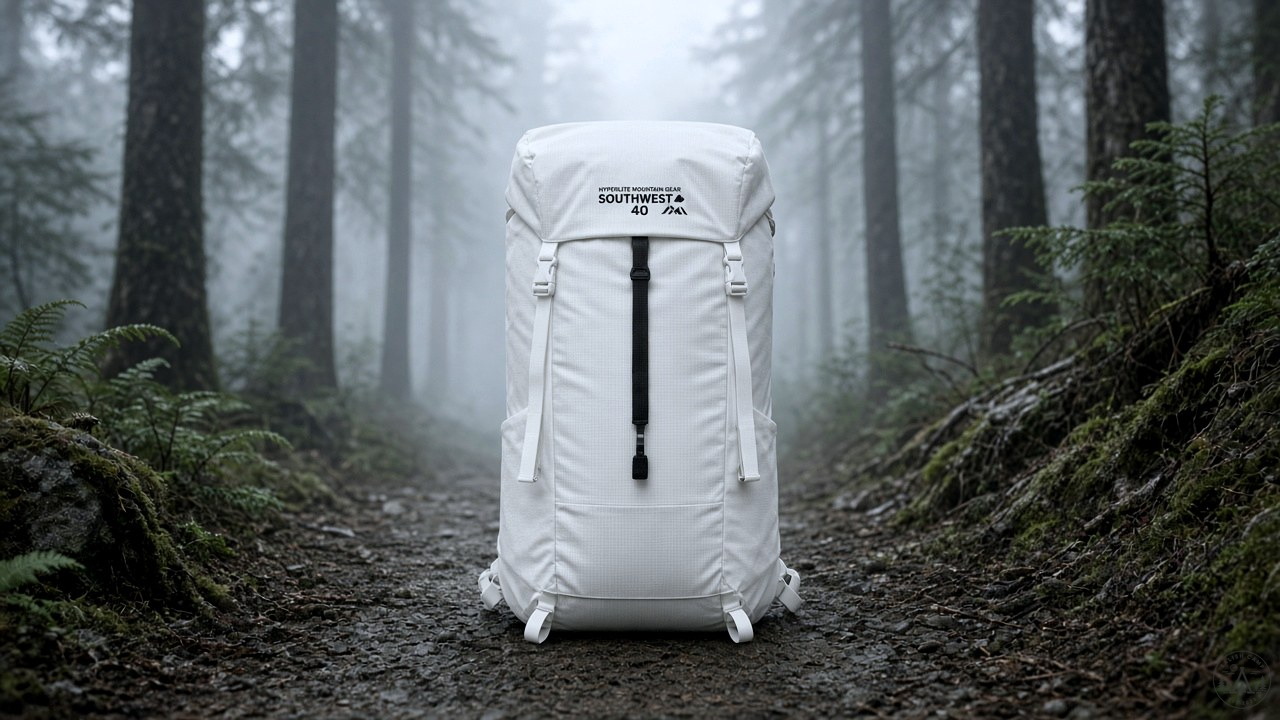
The first thing I noticed when transitioning to the Hyperlite Mountain Gear Southwest 40 was not what the pack added—it was what it removed. Traditional backpacking packs often include numerous compartments, thick padding, heavy zippers, and built-in organization systems designed to accommodate almost any type of gear. The Southwest 40 takes the opposite approach. It assumes the person carrying it has already thought through their equipment choices and wants a lighter, simpler platform.
That philosophy makes a huge difference on Pacific Northwest trails. Around Seattle, many backpacking routes involve long approaches, steep elevation gains, and weather that changes quickly. A pack that feels manageable at the trailhead can become exhausting after several miles of climbing through wet forest or rocky terrain. The Southwest 40 shines because it keeps the carrying system efficient without adding unnecessary weight.
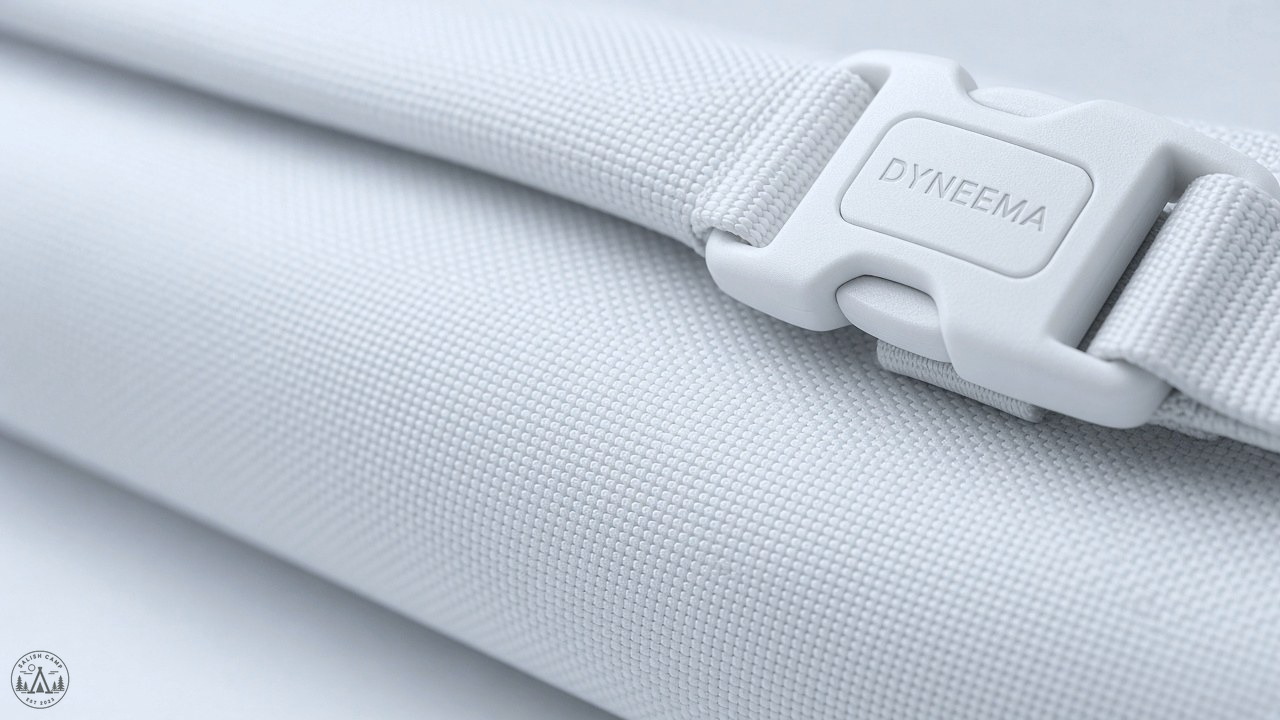
At approximately 30 ounces, it sits in an excellent middle ground. It is not the absolute lightest pack available, but it provides significantly more structure and durability than many frameless ultralight alternatives. The result is a pack that feels approachable for hikers who want to reduce weight without completely rebuilding their backpacking style.
The biggest adjustment for new users is learning how to pack correctly. The Southwest 40 does not hide mistakes. A traditional backpack with extensive padding and structure can sometimes compensate for poor loading. The Southwest 40 requires more intentional organization. Heavy items should stay close to the body and centered between the shoulders and hips. Lightweight compressible items belong toward the outside areas.
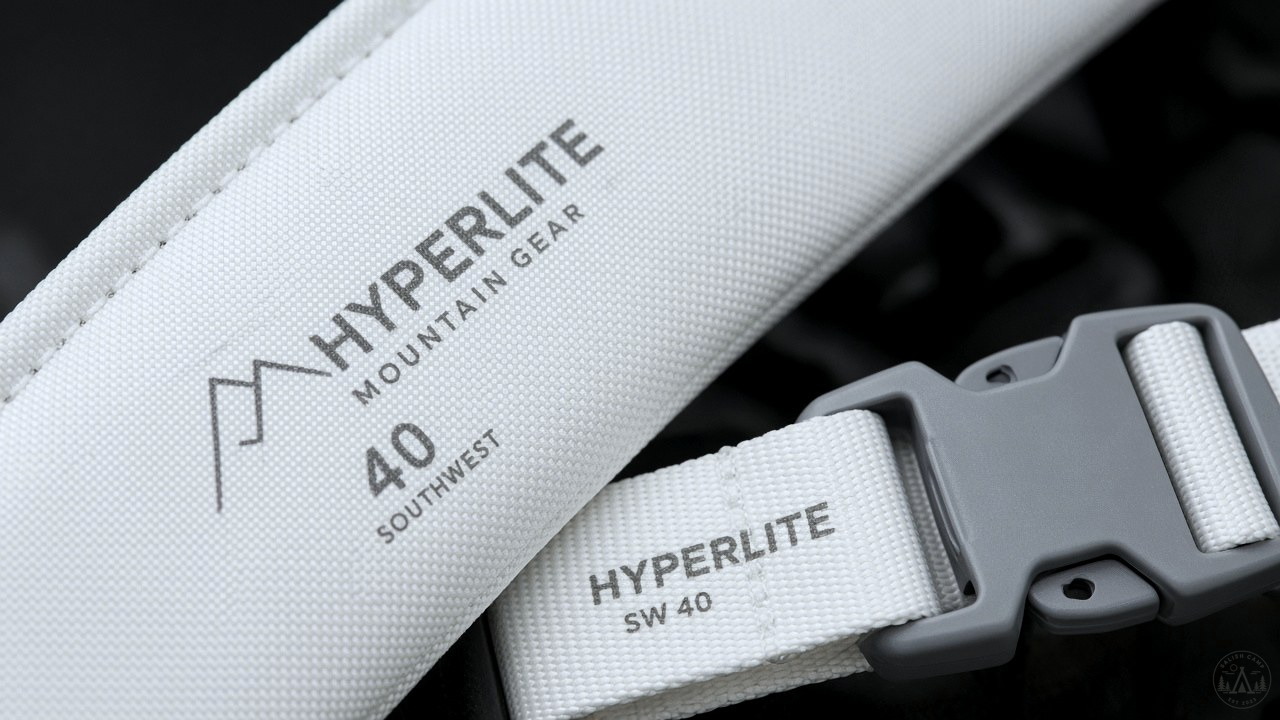
For example, my typical Pacific Northwest setup includes an ultralight shelter like the Hyperlite Unbound 2, a sleeping system, compact cooking equipment, rain layers, and several days of food. The pack handles this style of load extremely well. A lightweight stove such as the Soto WindMaster review (Soto WindMaster review) fits naturally into the overall approach because every item is selected for efficiency.
Fit is one of the most important considerations before buying the Southwest 40. Unlike casual daypacks, backpacking packs need to match your torso length and carry style. The correct torso size allows the shoulder straps and hip belt to transfer weight properly. A pack that is too large or too small can create pressure points, shoulder fatigue, or poor balance even if the pack itself is excellent.
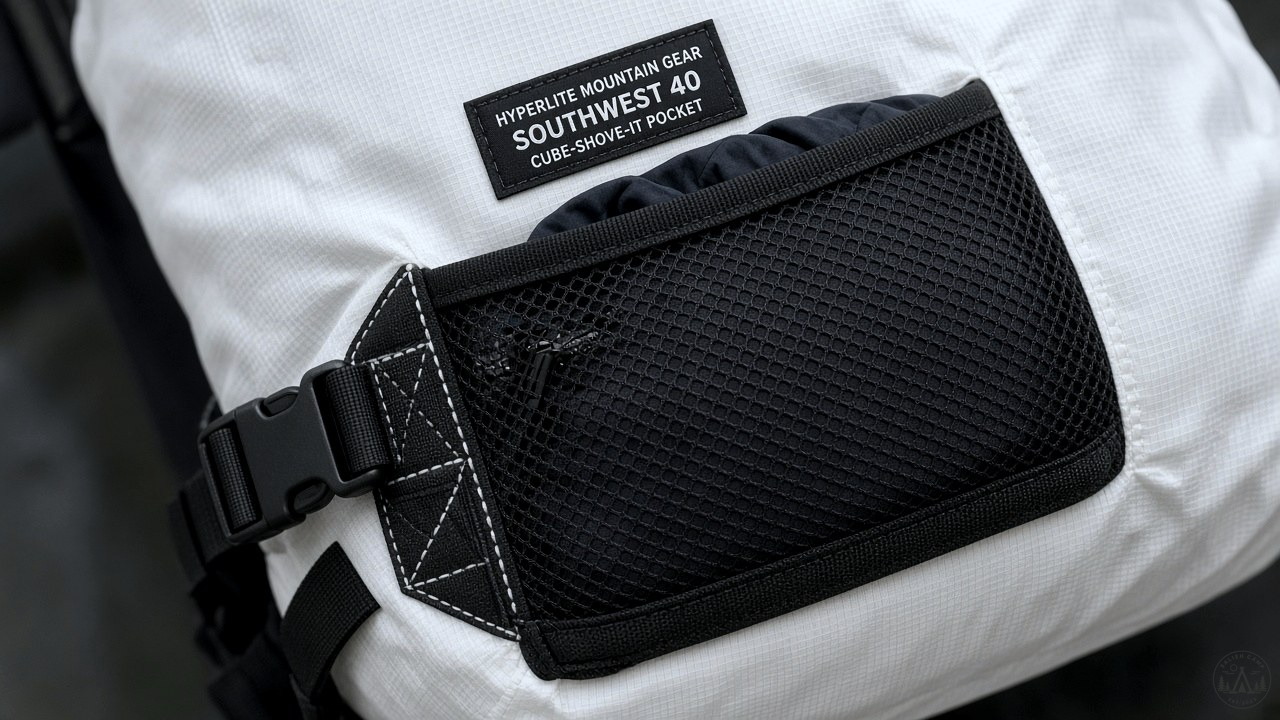
The hip belt is another important factor. Some ultralight hikers remove hip belt pockets or choose minimal configurations to save weight, but many users appreciate the additional organization and stability they provide. The Southwest 40 is designed to carry efficiently when properly fitted, but it is not intended to replace a heavy-duty expedition pack with massive load-transfer capability.
For beginners wondering how much weight the Southwest 40 can carry, the answer depends on your packing style and comfort level. It is happiest with lightweight backpacking loads. If you routinely carry heavy food quantities, large camera equipment, bulky winter gear, or traditional camping equipment, you may quickly exceed what this minimalist design is intended to handle comfortably.
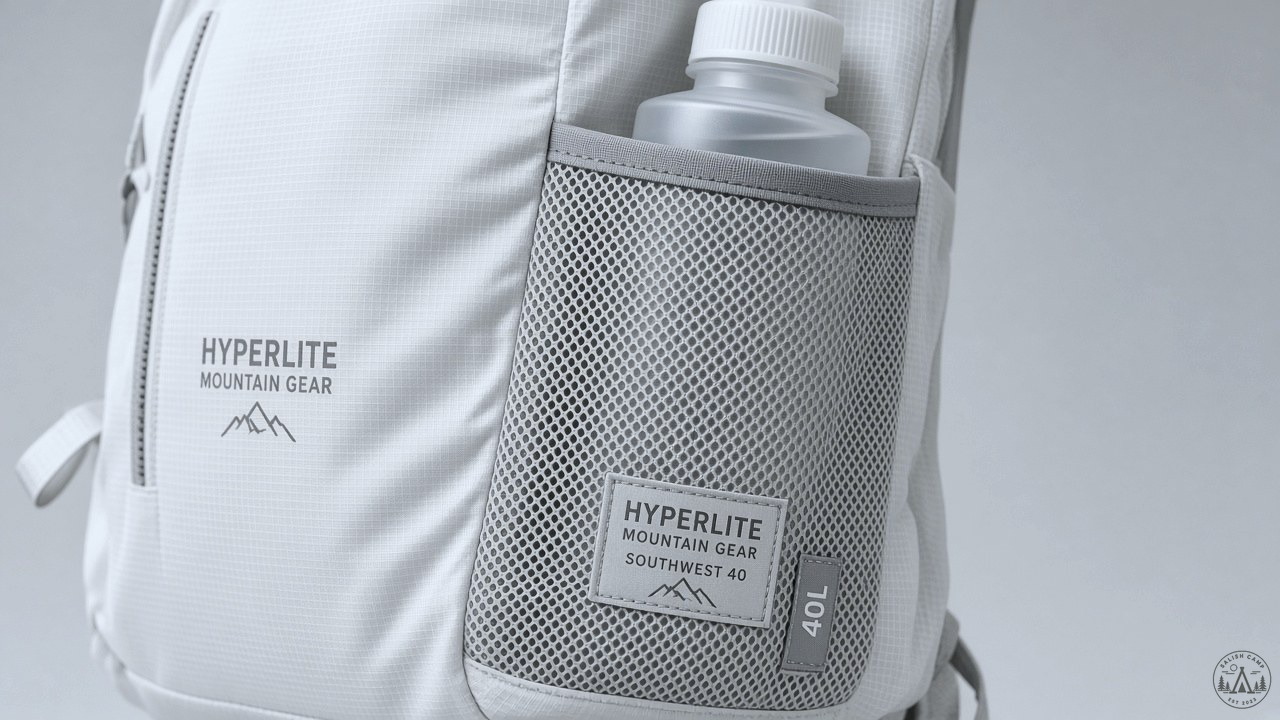
The external pocket system is one of my favorite parts of the pack. In rainy Washington conditions, being able to quickly access a rain shell, water bottle, or snack without opening the main compartment is extremely valuable. Wet weather often means stopping briefly under trees or preparing gear transitions quickly. Good external storage makes those small moments easier.
The pack’s weather resistance is also well suited to the Northwest. Dyneema fabric naturally resists water absorption, meaning the material does not become heavy after a rainy day. However, the Southwest 40 is not completely waterproof. Seams, openings, and the roll-top closure still require attention. For extended rain, I recommend using an internal liner or waterproof storage bags for critical items such as sleeping insulation and electronics.
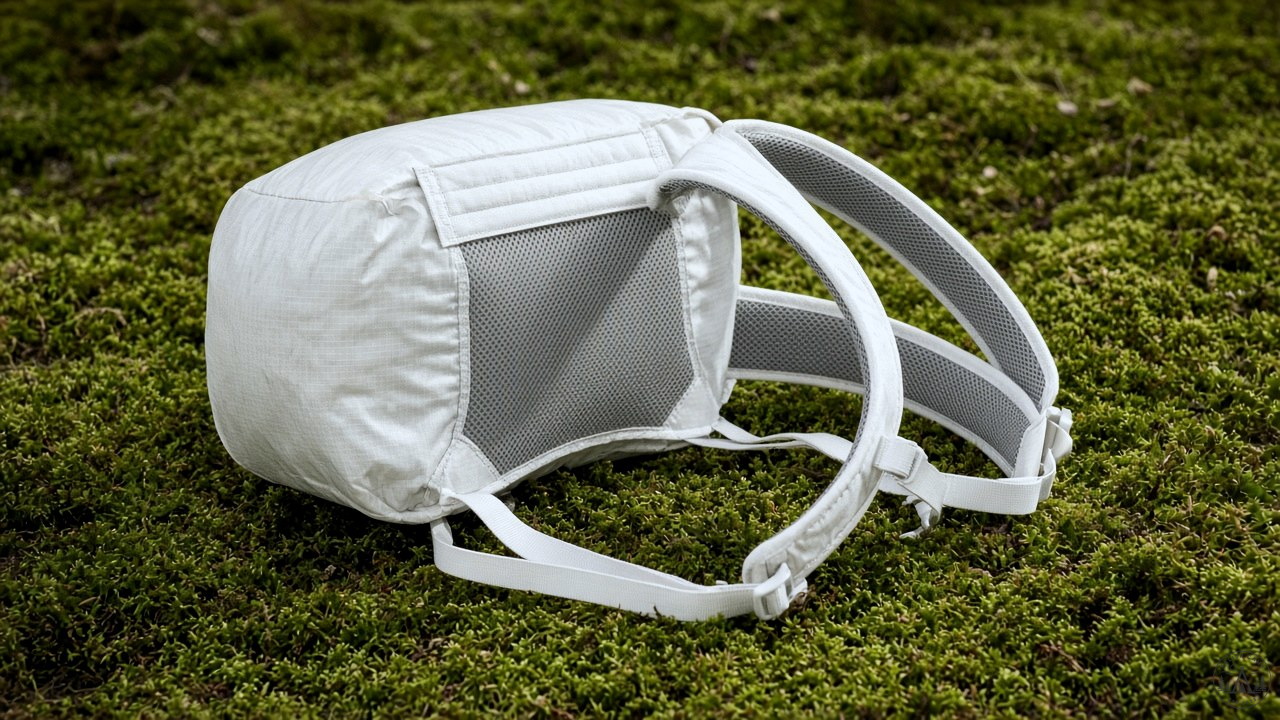
Durability is where the Southwest 40 surprises many people. Ultralight gear sometimes receives criticism for being delicate, but Dyneema performs extremely well against normal trail abuse. I have carried it through brushy approaches, rocky sections, and damp forest environments without concern. That said, no backpack fabric is indestructible. Dragging it over sharp rock or repeatedly scraping it against abrasive surfaces will eventually cause damage.
Maintenance is simple. After trips, I empty the pack completely, remove dirt and debris, wipe down the exterior with water if necessary, and allow it to dry fully before storage. Avoid harsh cleaners or aggressive scrubbing because they can damage the fabric coating. Inspect seams, straps, and attachment points periodically, especially after rough trips.
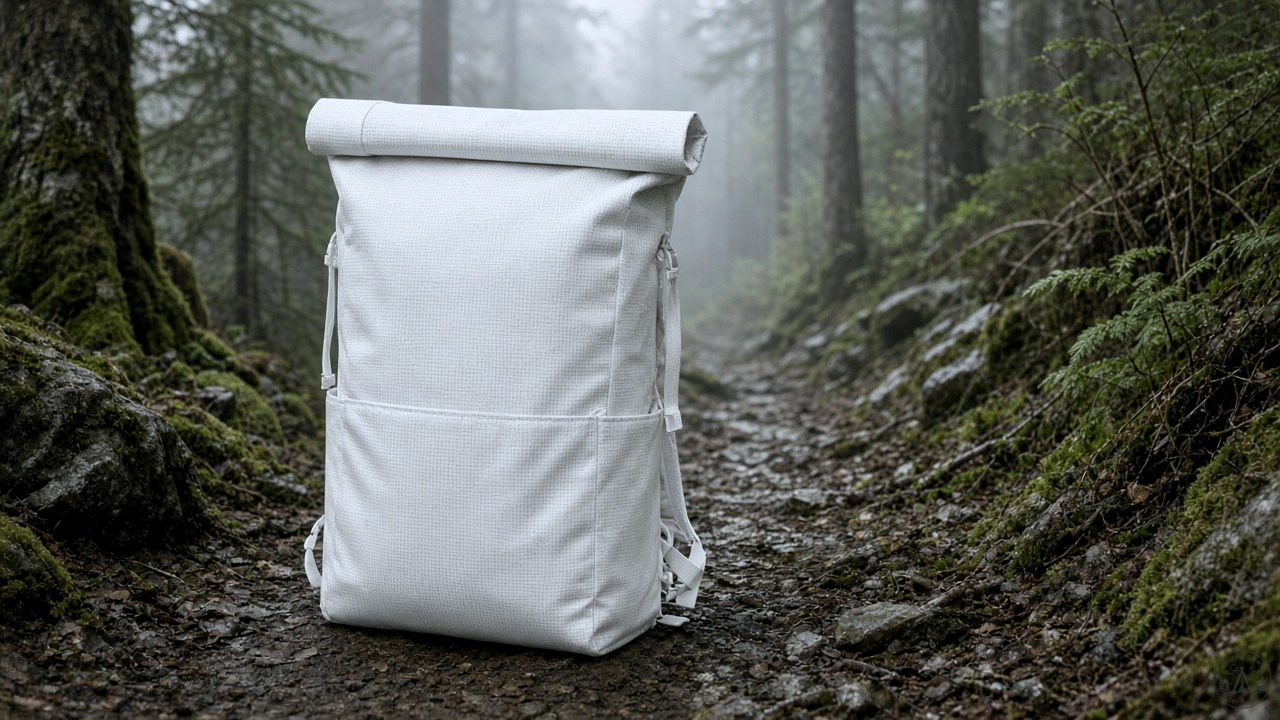
Another common beginner mistake is buying a 40-liter pack and assuming it will fit all existing camping equipment. Volume alone does not determine compatibility. A bulky sleeping bag, oversized tent, large cookware system, and extra clothing can easily overwhelm a minimalist pack. The Southwest 40 works best when the entire kit is designed around efficient use of space.
Comfort is where the Southwest 40 requires honest expectations. Compared with a large traditional backpacking pack, it feels lighter and more agile but less padded. Compared with a frameless ultralight pack, it offers more structure. The sweet spot is carrying a refined three-season load where weight stays controlled and the pack can perform as designed.
I also appreciate how the pack encourages better habits. Carrying fewer unnecessary items becomes easier when every piece of gear has to justify its place. That mindset extends beyond the pack itself. Even comfort additions like the Helinox Chair Zero review (Helinox Chair Zero review) become intentional decisions rather than automatic additions.
Pros & Cons
Pros
- Excellent durability-to-weight ratio from Dyneema construction.
- Approximately 30-ounce weight keeps overall pack weight low.
- 40-liter capacity works well for efficient multi-day trips.
- Large external pockets improve trail accessibility.
- Weather-resistant materials perform well in rainy environments.
- More supportive than many frameless ultralight packs.
Cons
- Not designed for heavy expedition-style loads.
- Requires thoughtful packing technique.
- Premium price around $395.
- Less padded and structured than traditional backpacks.
- Limited organization compared with conventional packs.
- Not completely waterproof without additional protection.
Technical Specifications
| Category | Details |
|---|---|
| Product | Hyperlite Mountain Gear Southwest 40 Backpack |
| Capacity | Approximately 40 liters |
| Approximate weight | Approximately 30 ounces |
| Material | Dyneema Composite Fabric |
| Pack style | Minimalist framed ultralight backpack |
| Price | Approximately $395 |
| Best use | Three-season backpacking and lightweight adventure travel |
| Storage | Main compartment, roll-top closure, external pockets |
| Weather protection | Water-resistant materials; additional waterproof liners recommended |
| Ideal load style | Lightweight gear systems with disciplined packing |
Final Thoughts
The Hyperlite Southwest 40 is a backpack that makes sense when the rest of your gear system makes sense. It is not simply a lighter replacement for a traditional backpack—it is part of a different approach to backpacking. The pack rewards hikers who have reduced unnecessary weight, selected efficient equipment, and learned how to organize their load.
After using it on Pacific Northwest routes with wet forests, long climbs, uneven terrain, and unpredictable weather, the biggest advantage is how much easier it makes moving efficiently. A 30-ounce pack carrying a carefully selected three-season setup feels dramatically different from a heavier backpack loaded with unnecessary equipment.
Compared with traditional 50- to 65-liter backpacking packs, the Southwest 40 sacrifices padding, storage, and heavy-load capability in exchange for reduced weight and improved simplicity. Compared with frameless ultralight packs, it provides more structure and comfort for hikers who still want some carrying support. Compared with waterproof expedition packs, it relies more on intelligent gear protection rather than complete sealing.
The tradeoff is clear: the Southwest 40 is not the right tool for every backpacker. Someone planning winter mountaineering trips, carrying family camping equipment, or bringing heavy photography gear may prefer a larger, more structured pack. Someone hiking multi-day summer and shoulder-season routes in Washington with a lightweight shelter, compact cooking system, and carefully selected gear will find it much closer to ideal.
For my style of Pacific Northwest backpacking, the Southwest 40 represents the balance I want: durable enough for real trails, light enough for long approaches, and simple enough to encourage better decisions. It does not eliminate the work of packing well—but that is exactly why it performs so well for hikers ready to embrace a more intentional system.