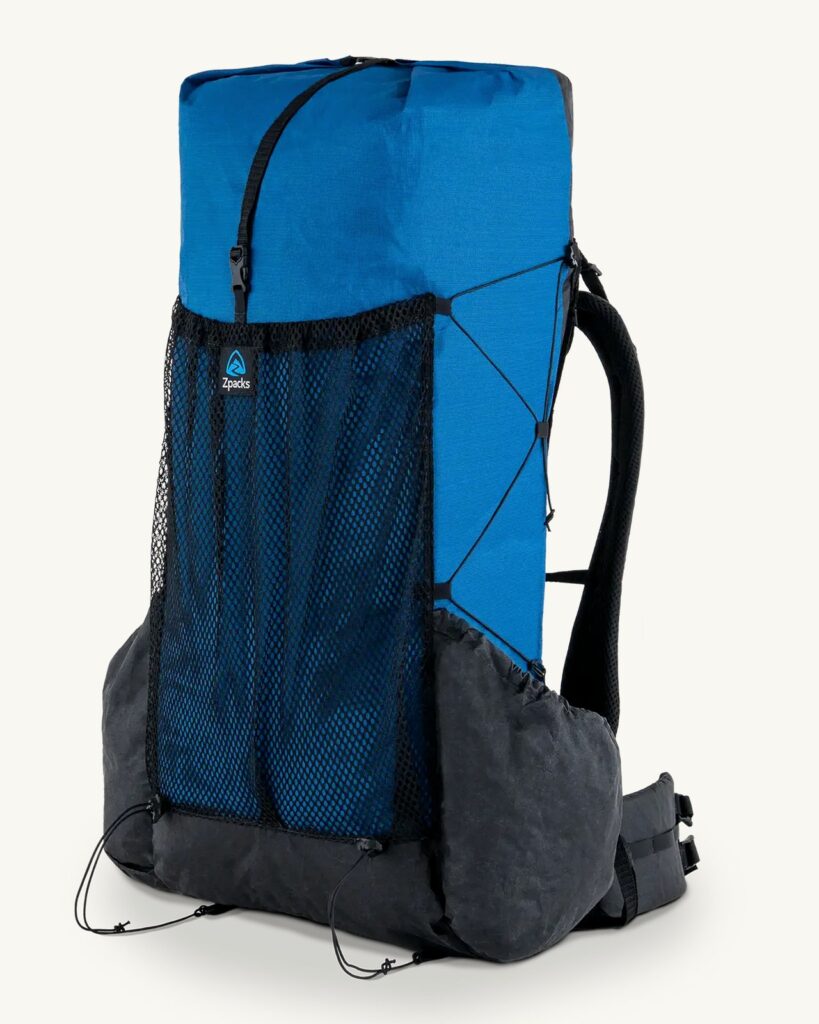
Buy if you want a framed ultralight pack in Ultra fabric that carries multi-day loads without frameless bounce, and you are willing to size straps and belts carefully. Skip if you need trampoline ventilation, prefer soft nylon comfort, or want traditional Osprey-style lid organization.
What Stands Out
- Curved arc frame that keeps loads composed at a shockingly low pack weight.
- Ultra fabric body with serious abrasion resistance for the ounce count.
- Adjustable torso and interchangeable straps/belts for a dialed cottage fit.
- 50L volume suited to 4–5 day ultralight carries with room to strap extras.
- Roll-top compression that shortens the pack for lighter stretches.
- Intentional exterior pockets without UL pocket chaos.
- A thru-hike-oriented design that assumes a light kit and long miles.
In The Field
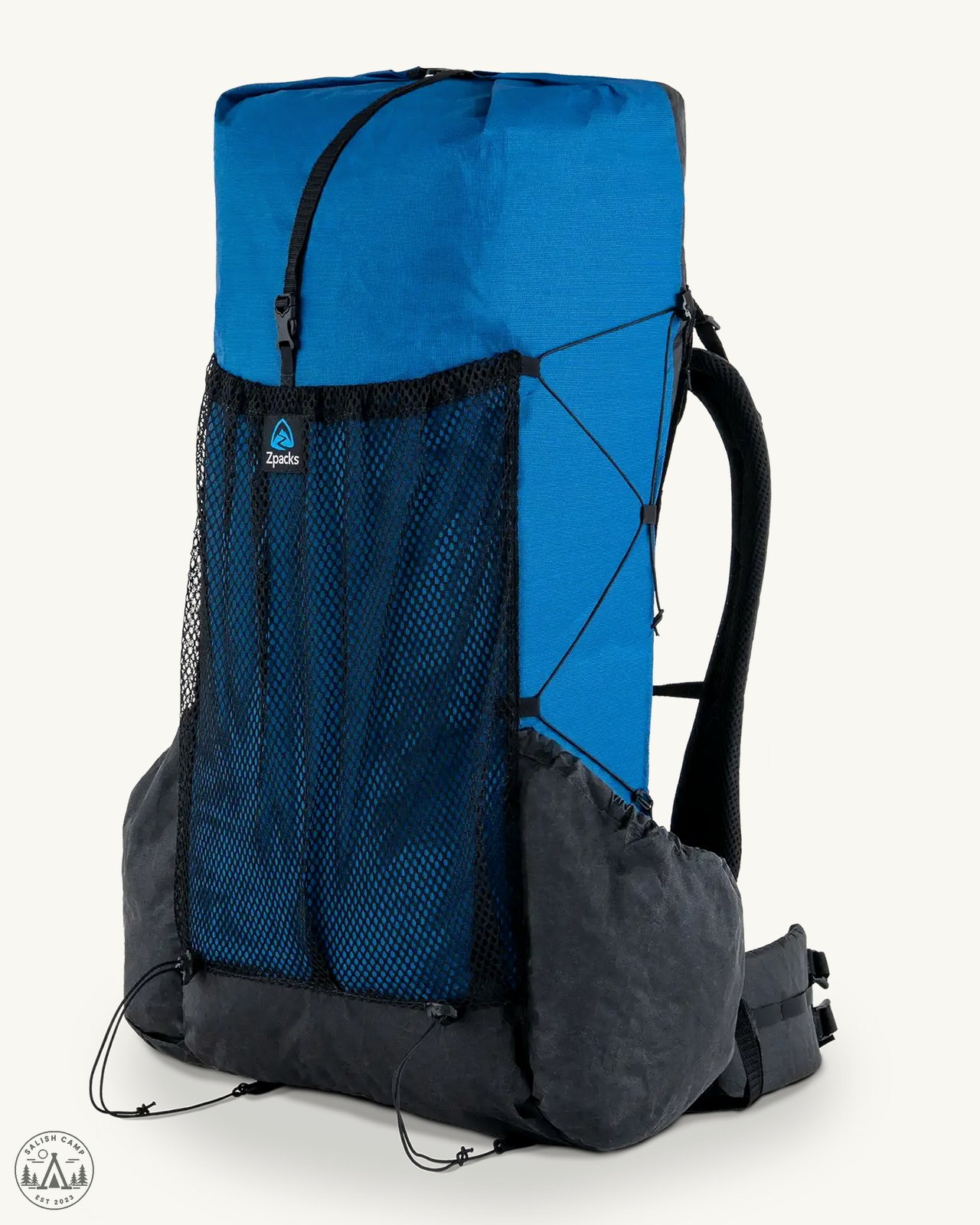
The first morning I carried the Zpacks Arc Haul Ultra 50 on a Cascade Crest section, I kept waiting for the usual ultralight compromise to appear: bounce, hot spots, or a load that felt like a sack of potatoes behind my shoulders. It mostly did not. The curved carbon-fiber-style frame and Ultra fabric body create a carry that feels more “backpack” than “stuff sack with aspirations,” while the scale reading stays in the absurdly light neighborhood for a framed 50L. That combination is the Arc Haul Ultra’s whole argument.
Is it beginner friendly? Only if the beginner is already committed to ultralight habits. The Arc Haul rewards careful packing and a true understanding of torso fit, strap size, and belt size — Zpacks treats those as modular choices, not afterthoughts. A new backpacker who still carries a bulky kit will overstuff it and blame the pack. Measure, order the right torso and belt, and practice loading before the first long stretch. Once dialed, the pack feels purposeful rather than fiddly.
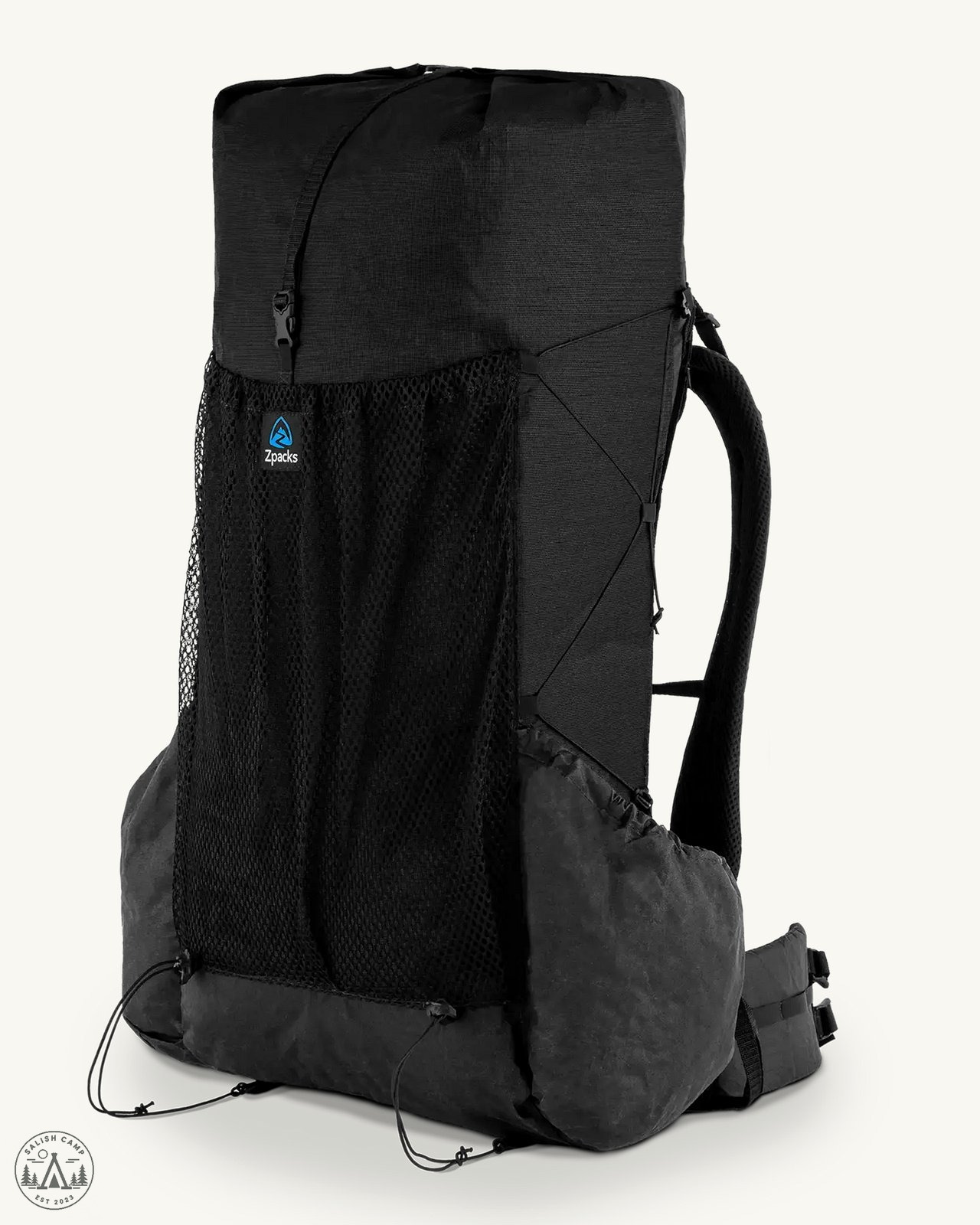
Ultra fabric is the other half of the pitch. It is tough for the weight, sheds abrasion better than many ultralight nylons, and has a quieter, denser hand than classic Dyneema Composite in some builds. I still do not drag it across sharp rock, but I worry less in brush than I do with delicate mesh-heavy packs. On a brushy cut-off near Stevens Pass, the body shrugged off scrapes that would make me wince with thinner fabrics.
Carry capacity is honest. Zpacks rates comfortable loads in the 30–35 lb range; I stayed near the lower-middle of that with a multi-day food carry and felt secure on rocky tread. The frame distributes weight better than frameless Ultra bags I have tried. Compared with the Mariposa 60, you get less soft contact feel and less mesh pocket theater, but a much stronger weight-to-structure story. Compared with the Exos 58, you lose the trampoline ventilation and Osprey pocket culture, and gain a dramatic weight cut.
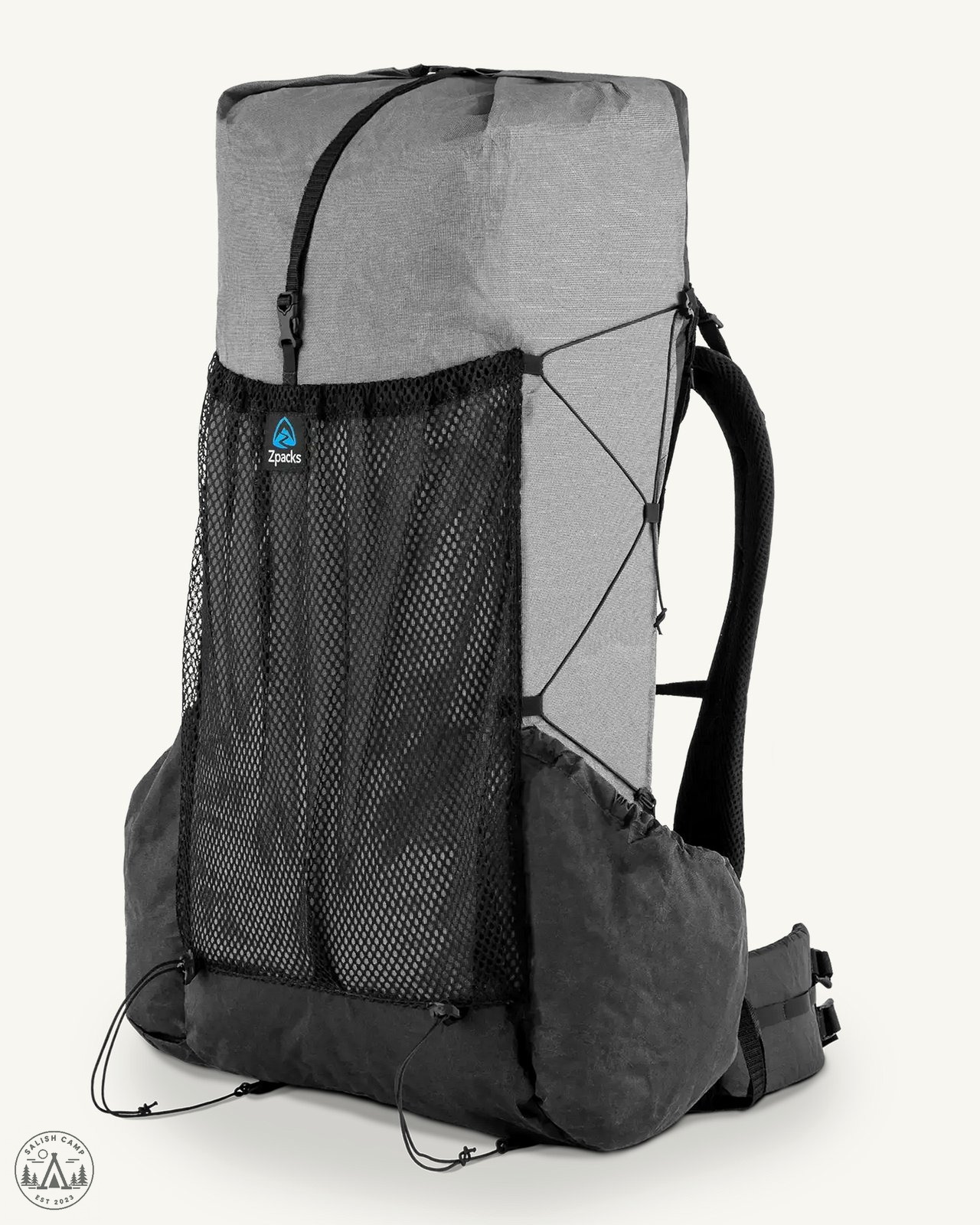
Pockets are adequate and intentional rather than maximal. Side and front pocket space handles bottles, a filter, and a rain jacket. This is not the Mariposa’s mesh carnival, and that is fine. I adapt by keeping fewer items outside the main bag. Thru-hikers who live out of exterior pockets may want Zpacks’ modular add-ons. I used the stock layout and stayed organized with a little discipline.
The roll-top and compression system make volume flexible. Fifty liters is enough for a 4–5 day ultralight carry; strap extras on for longer stretches. Rolling the top down for shorter trips keeps the profile from towering over shorter torsos. That matters on Cascades sections where I mix big food days with light overnight hops between camps.
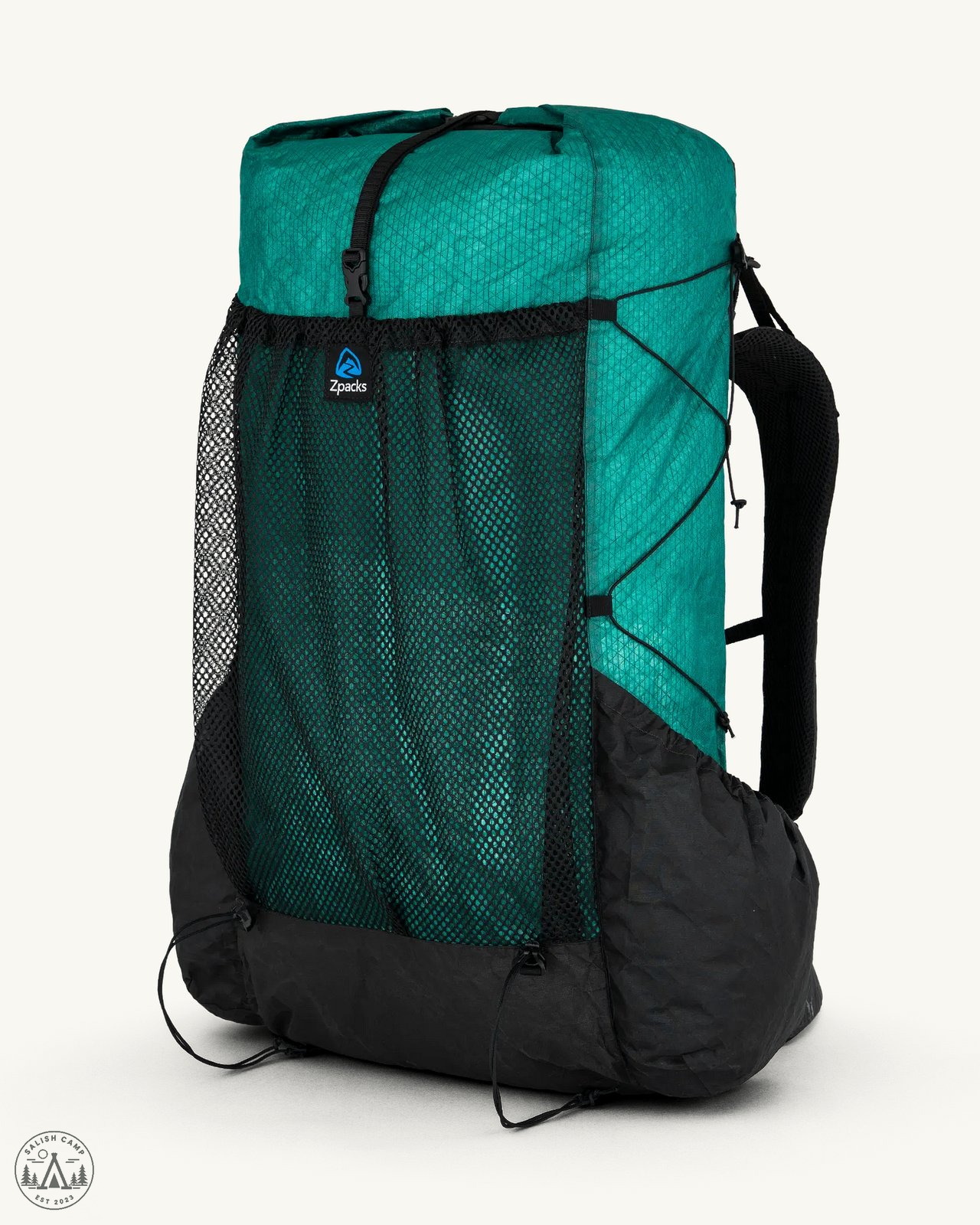
Fit modularity is a genuine advantage if you use it. Interchangeable straps and belts mean you can chase a better match instead of living with a nearly-right harness. It also means you must order carefully. A wrong belt size will make a brilliant frame feel mediocre. Take the sizing charts seriously; this is not a one-size foam nest.
Who should skip it? Hikers who want maximum ventilation, people who dislike cottage-brand modularity, and anyone who needs traditional zippered lid organization like Osprey. Also skip if you want the softest harness feel — look at Mariposa — or if Hyperlite’s aesthetic and fabric system already fit your kit around a Southwest 40 or Junction.
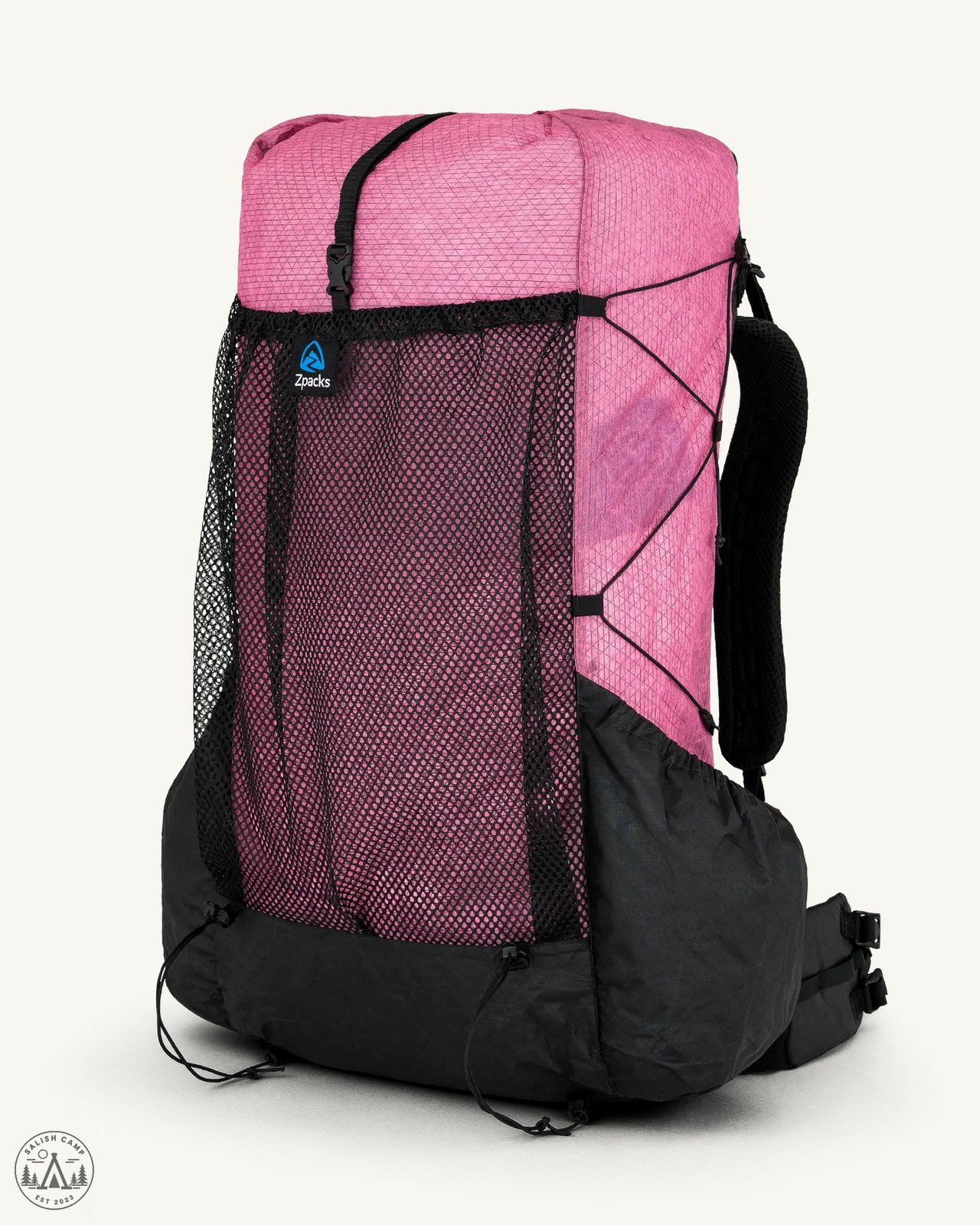
In wet Northwest weather, Ultra sheds light rain well, but seams and openings still want a pack liner for real storms. I treat every UL pack as water-resistant, not a dry bag. That habit has saved more trips than any fabric brochure.
Against the Junction 40, the Arc Haul Ultra offers more volume and a framed carry at a competitive weight; the Junction answers with Hyperlite’s Dyneema language and a more conventional harness feel in a smaller pack. Against the Crown3, Zpacks costs more and weighs less, with a more specialized UL culture. Pick based on whether you want cottage Ultra performance or value nylon capacity.
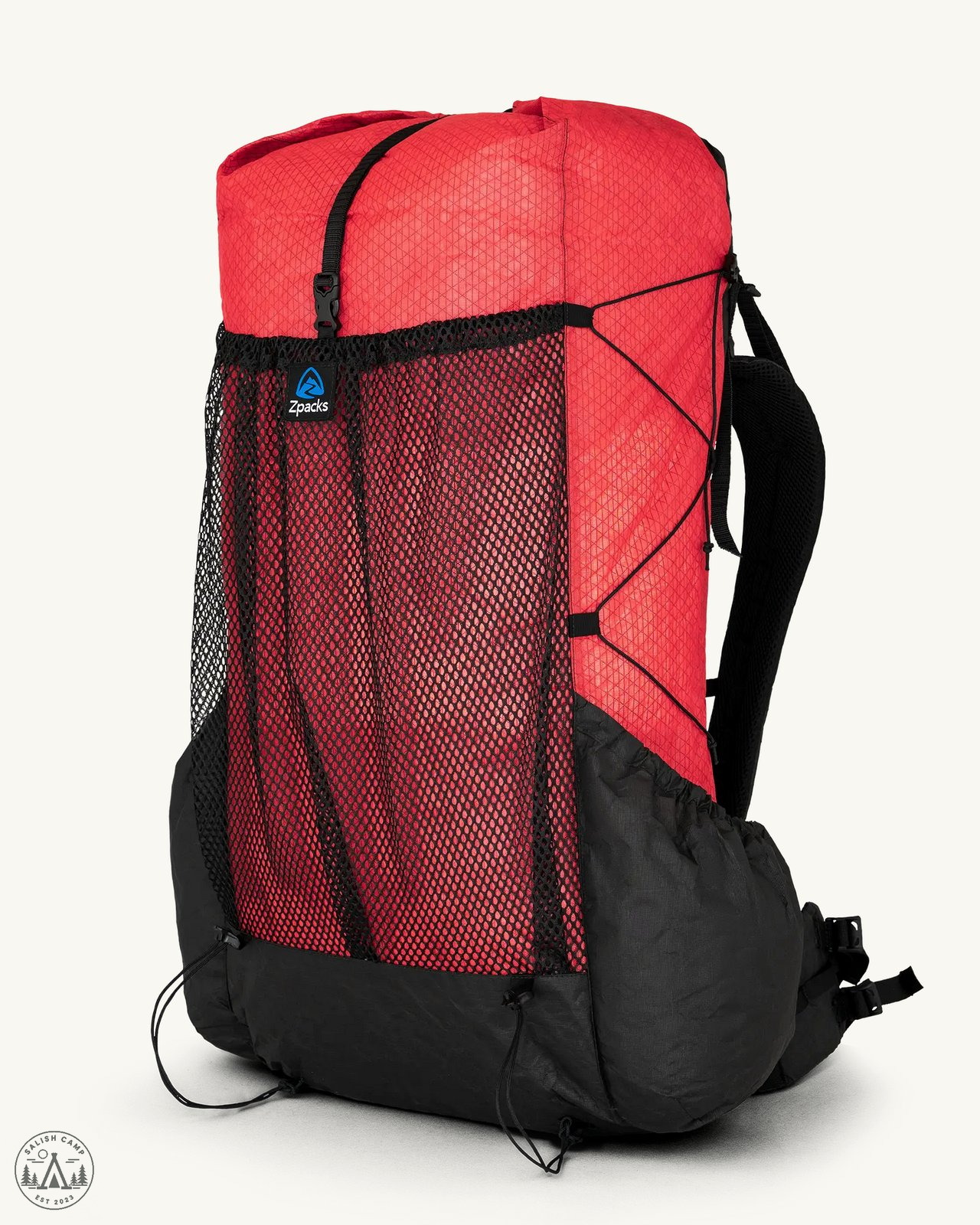
Maintenance is wipe, dry, inspect stitching, and store loosely. Check frame interfaces after rough travel. Cottage packs reward owners who pay attention; they are not disposable.
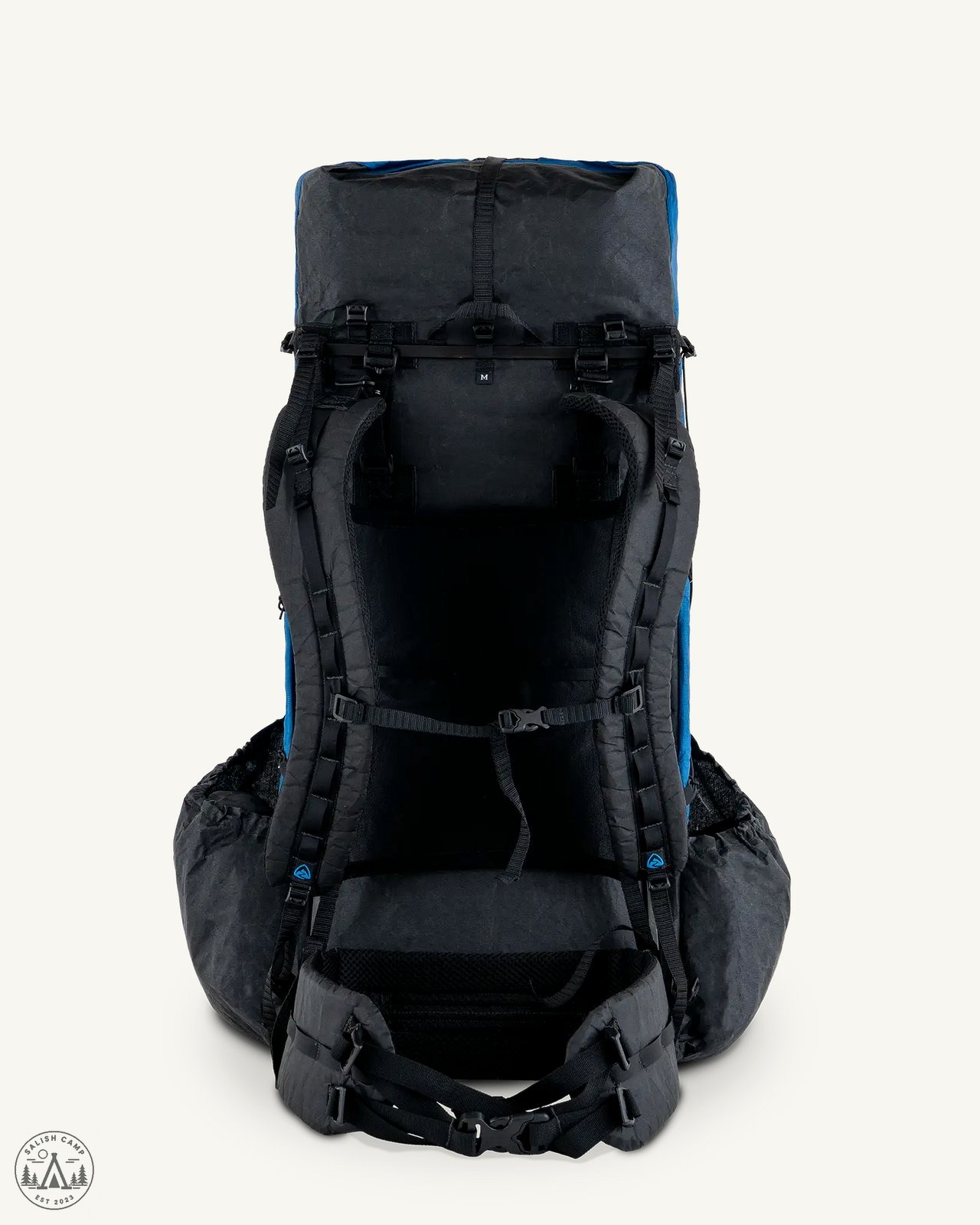
After real miles, the Arc Haul Ultra 50 feels like a tool for people who already believe in ultralight systems and want a framed carry without apology. It is not the friendliest first UL pack, and it is not a ventilated comfort couch. It is a remarkably light framed bag that stays composed when the food bag is still honest — which is exactly what long Cascade Crest days demand.
Pros & Cons
Pros
- Framed carry at extreme light weight
- Tough Ultra fabric for the weight
- Modular fit options
- Enough volume for multi-day UL food
- Composed tracking on rocky tread
Cons
- Less beginner-friendly than Osprey/Gossamer options
- Not a ventilation specialist
- Fewer exterior pockets than mesh-forward packs
- Sizing mistakes are costly
- Premium cottage price
Technical Specifications
| Product | Zpacks Arc Haul Ultra 50 |
|---|---|
| Brand | Zpacks |
| Price | ~$400 |
| Weight | ~16–21 oz class depending on options |
| Materials | Ultra 200 / Ultra 100 |
| Capacity | 50 L |
| Best for | Ultralight thru-hiking |
| Field focus | Long trail sections |
| Buy | Zpacks |
Final Thoughts
The Arc Haul Ultra 50 is for hikers who already think in base weights and want framed composure without paying for it in pounds. Size it carefully, pack it densely, and use a liner in real storms. Cross-shop the Mariposa 60 for softer comfort, the Exos 58 for airflow, the Junction 40 for Hyperlite’s Dyneema system in a smaller volume, and the Southwest 40 if you already live in that ecosystem. Extreme light weight only helps if the pack still carries like a backpack — this one does.