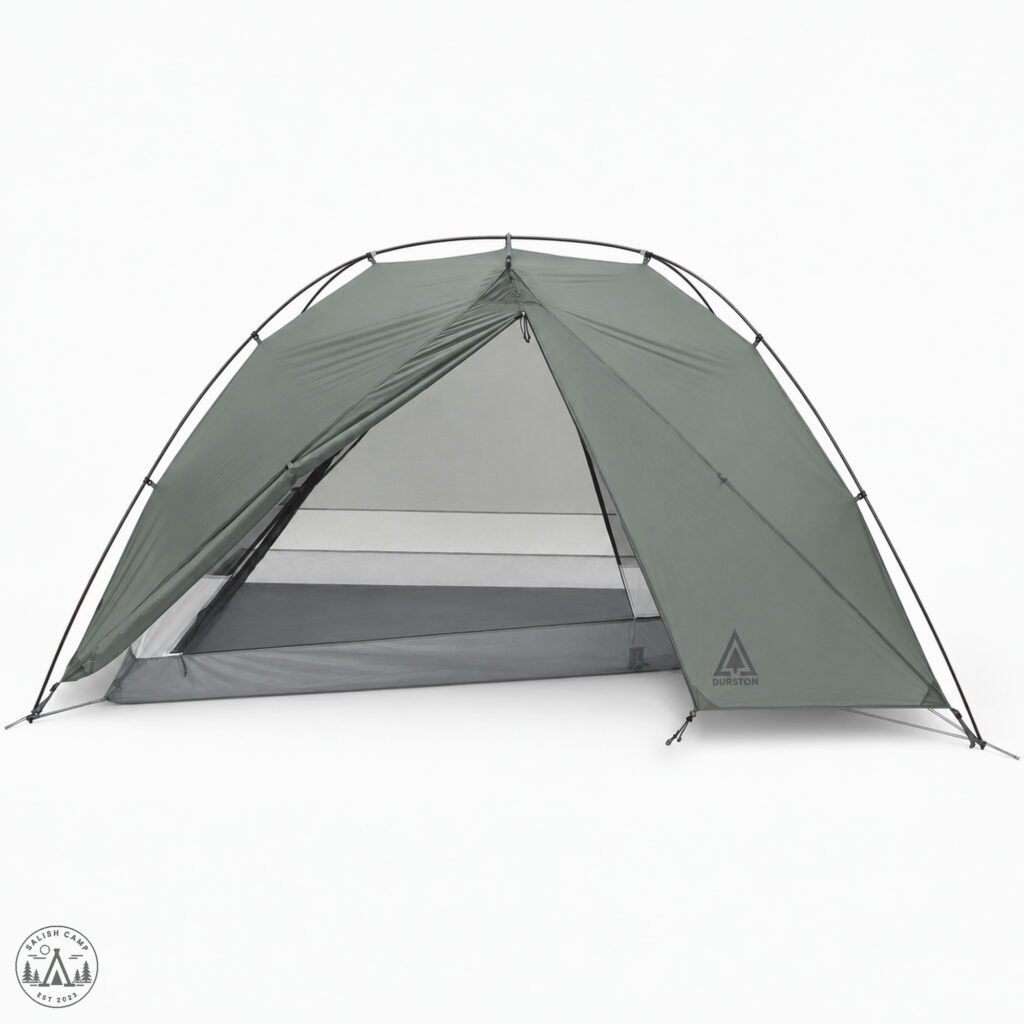
Buy if you want a genuinely freestanding, double-wall backpacking tent that handles awkward tent pads, rainy setup conditions, and exposed Pacific Northwest camps without requiring trekking poles for its structure. The Durston X-Dome 1+ in the Regular interior and Carbon pole configuration weighs 34.7 oz (985 g) complete, costs $419, and gives a solo backpacker more usable room than its modest footprint suggests. It’s a particularly appealing shelter for the Enchantments, Goat Rocks, and North Cascades trips where reliable pitching and wet-weather livability matter more to me than saving every last ounce.
Skip if your primary goal is the lightest possible shelter, you prefer two separate entrances, or you regularly camp in cold, exposed conditions where a mostly mesh interior feels too open. A trekking-pole shelter can save meaningful weight if you’re comfortable managing its pitch. The X-Dome 1+ is also more tent than necessary for someone who mainly backpacks in sheltered summer forests and rarely encounters difficult ground.
What Stands Out
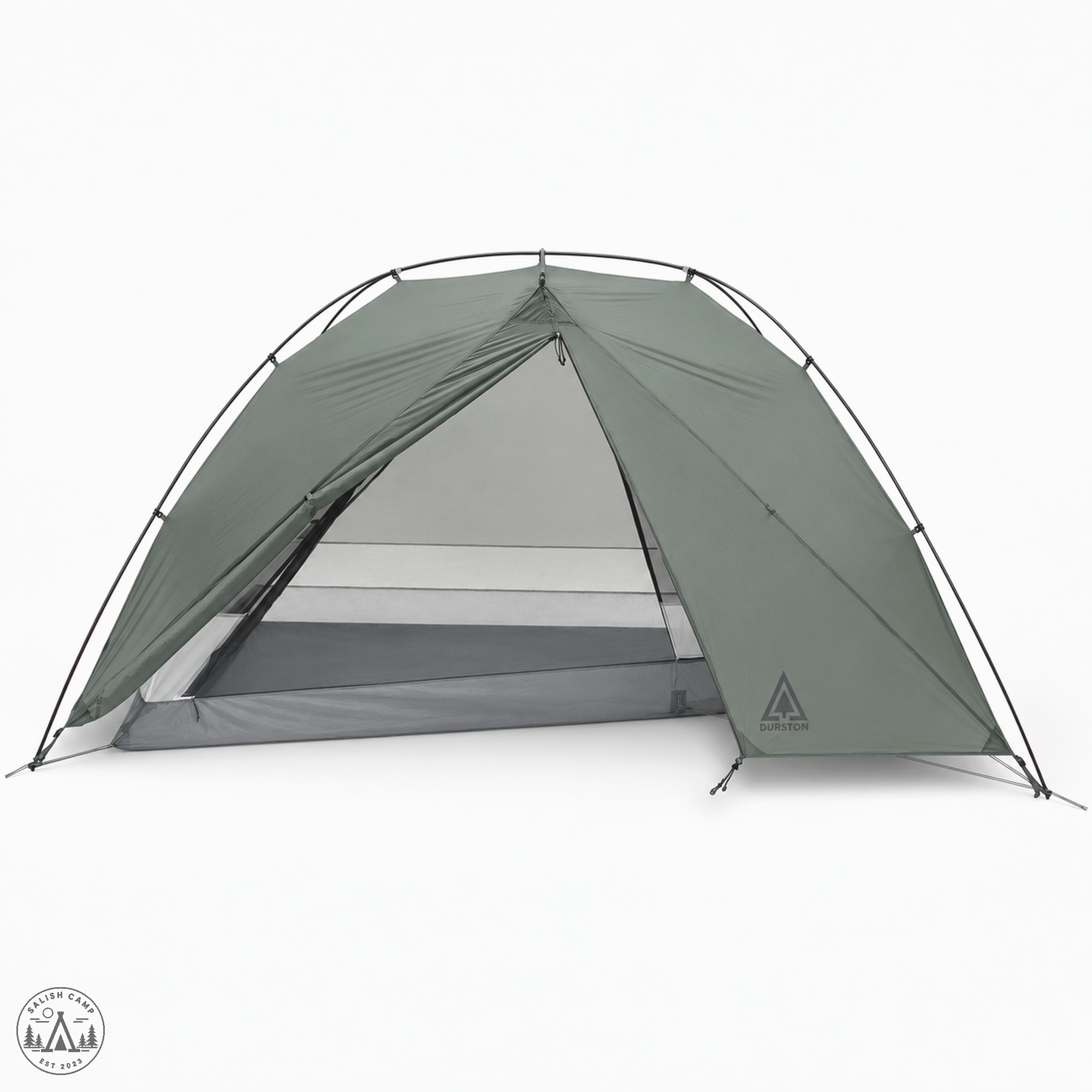
- Fully freestanding carbon architecture. The external Easton carbon pole set supports the complete tent without trekking poles or mandatory stakes, while the integrated crossbar lifts the doorway and creates additional headroom.
- Unusually generous solo floorplan. The parallelogram interior provides 23.5 sq ft of floor area, a 50 in-wide head end, and a diagonal sleeping length of 90 in.
- Rain-conscious setup. A fly-first pitch helps protect the Regular inner from rainfall during assembly, an important advantage when arriving at camp after hours of Northwest drizzle.
- A vestibule that stays out of the way. The single 9.2 sq ft vestibule sits beside the entrance rather than directly in front of it, making access easier when storing a backpack and wet footwear.
- Adjustable structural reinforcement. Optional trekking poles can extend the crossbar into an additional supporting arch, while multiple guyline locations provide more options for stabilizing the shelter in exposed camps.
- Practical ventilation and door details. Two adjustable peak vents, an angled doorway zipper, magnetic door toggles, and an overhanging entrance make everyday wet-weather use more manageable.
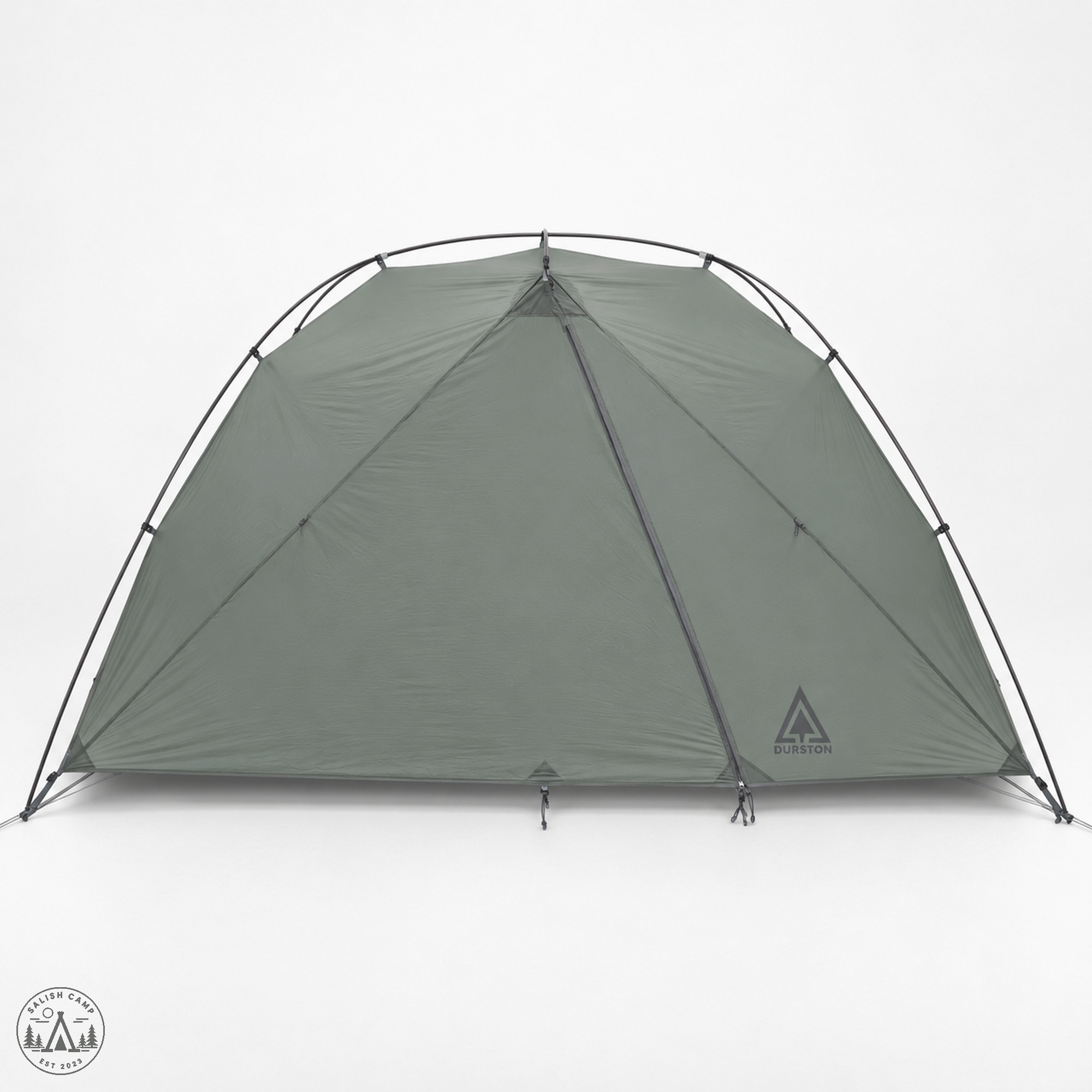
- Full-coverage weather protection. The 15D polyester fly extends low toward the ground, uses factory-taped seams, and has a non-sag construction that helps maintain its pitch during prolonged damp weather.
In The Field
The first thing I look at when choosing a shelter for the Pacific Northwest isn’t always its weight. It’s where I’m likely to put it. On an easy summer trip into a sheltered Cascades basin, a lightweight trekking-pole shelter makes plenty of sense. The equation changes on the rocky tent pads around the Enchantments, exposed benches in Goat Rocks, or compacted ground near a North Cascades lake — places where I appreciate a freestanding tent that establishes its shape before I start working with stakes.
The external carbon frame is the defining feature. Unlike trekking-pole shelters that depend on properly tensioned corners to stand, the X-Dome supports itself once its poles are assembled. That doesn’t mean I’d leave it unstaked. On an exposed Cascade ridge, I would still stake the corners, tension the fly, and use appropriate guylines. What the frame gives me is control over placement: assemble the tent, position it on a narrow patch of suitable ground, then work out the staking afterward. The larger-diameter carbon spine, integrated crossbar, and steeper end-wall geometry create usable space instead of a tall central peak with rapidly descending walls. Optional trekking-pole supports can extend the crossbar into another arch when conditions call for more bracing; they are not required to pitch the tent.
Durston rates the X-Dome as a 3+ season design, suitable for many winter trips. Some reviewers call it suitable for 4-season use; I stick with Durston’s own wording and treat it as a strong three-season shelter with winter capability for the right conditions, not a dedicated expedition tent.
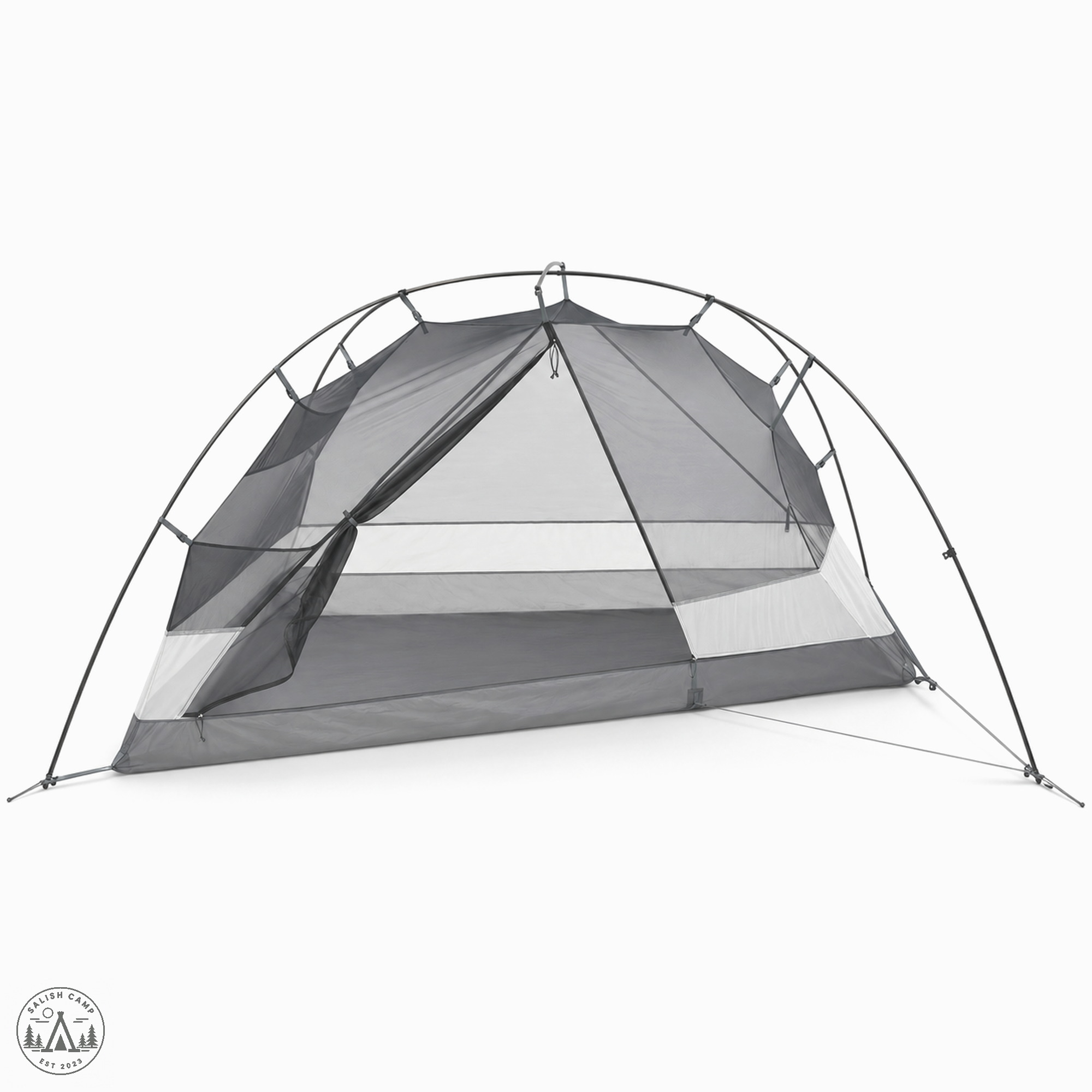
A solo tent can look generous on paper and still feel cramped once a sleeping pad, quilt, and backpack enter the picture. The X-Dome’s 50 in head-end width gives me room to organize clothing and keep a small essentials bag nearby; the floor narrows toward the foot end, a reasonable tradeoff for a one-person shelter. The 42 in (1.08 m) interior height lets me sit upright while changing into dry layers — after a full day walking in rain, that headroom matters. Durston indicates that someone around 6 ft 2 in can fit straight, while a person up to about 6 ft 6 in may fit diagonally. For me, the attraction isn’t squeezing a second occupant inside; it’s having a proper solo living space.
For Pacific Northwest backpacking, Regular versus Solid interior is one of the more important configuration choices. The Regular interior uses mostly mesh, with a solid fabric strip around much of the lower perimeter. It offers insect protection and separation from the fly while preserving ventilation — a good fit for Cascades trips during the warmer backpacking season, especially around lakes. The Solid interior’s additional fabric coverage suits someone who frequently encounters cold wind, blowing precipitation, or exposed shoulder-season conditions. I wouldn’t automatically choose Solid just because I backpack in Washington; for mixed three-season use I prefer Regular. But if most of my nights were above treeline in October, I’d lean Solid instead. The outer shelter is the primary weather barrier; the inner changes how enclosed the sleeping environment feels.
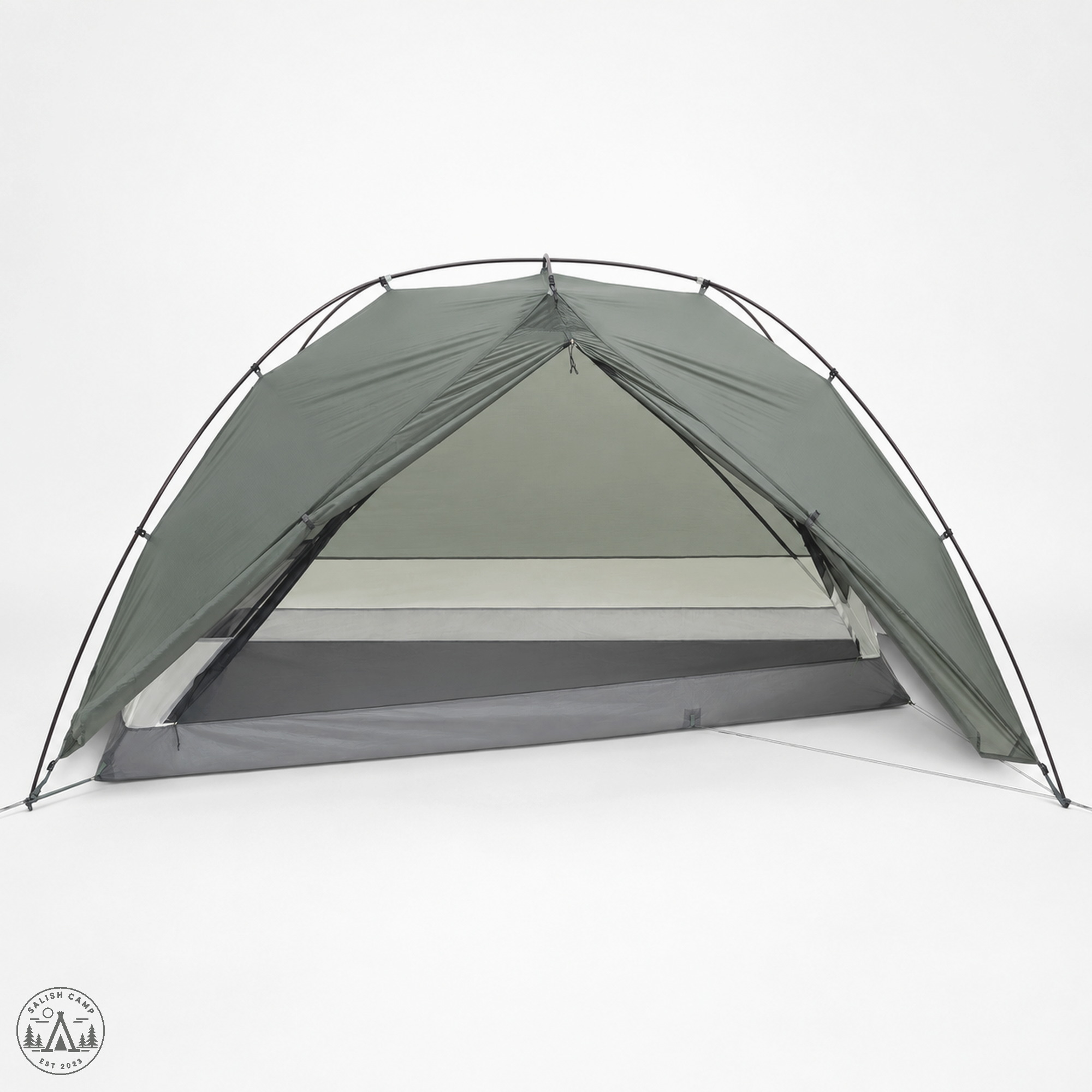
The fly-first pitching arrangement is a major reason I’d consider the X-Dome for Northwest conditions. I’ve spent enough afternoons arriving at camp with wet sleeves and rain that doesn’t seem interested in stopping. The tent can be pitched with the fly and inner pre-connected, or with the components separate; fly-first helps keep the inner dry during setup, while inner-first remains an option when I want an open view of the sky. Rather than forcing me to climb over stored equipment to reach the entrance, the 9.2 sq ft vestibule sits beside the doorway — room for a backpack, shoes, and wet outer layers while leaving the main access route usable. It measures 22 in deep at the door zipper and widens to 27 in toward the end. I still wouldn’t treat it as a cooking area; my preference is to cook outside and keep fuel-burning equipment away from the fabric. The three-way inner zipper makes side access to the vestibule possible, and the smaller outer door panel can be staked, supported with a trekking pole, or rolled back. The overhanging doorway also offers some protection while entering and exiting during rain.
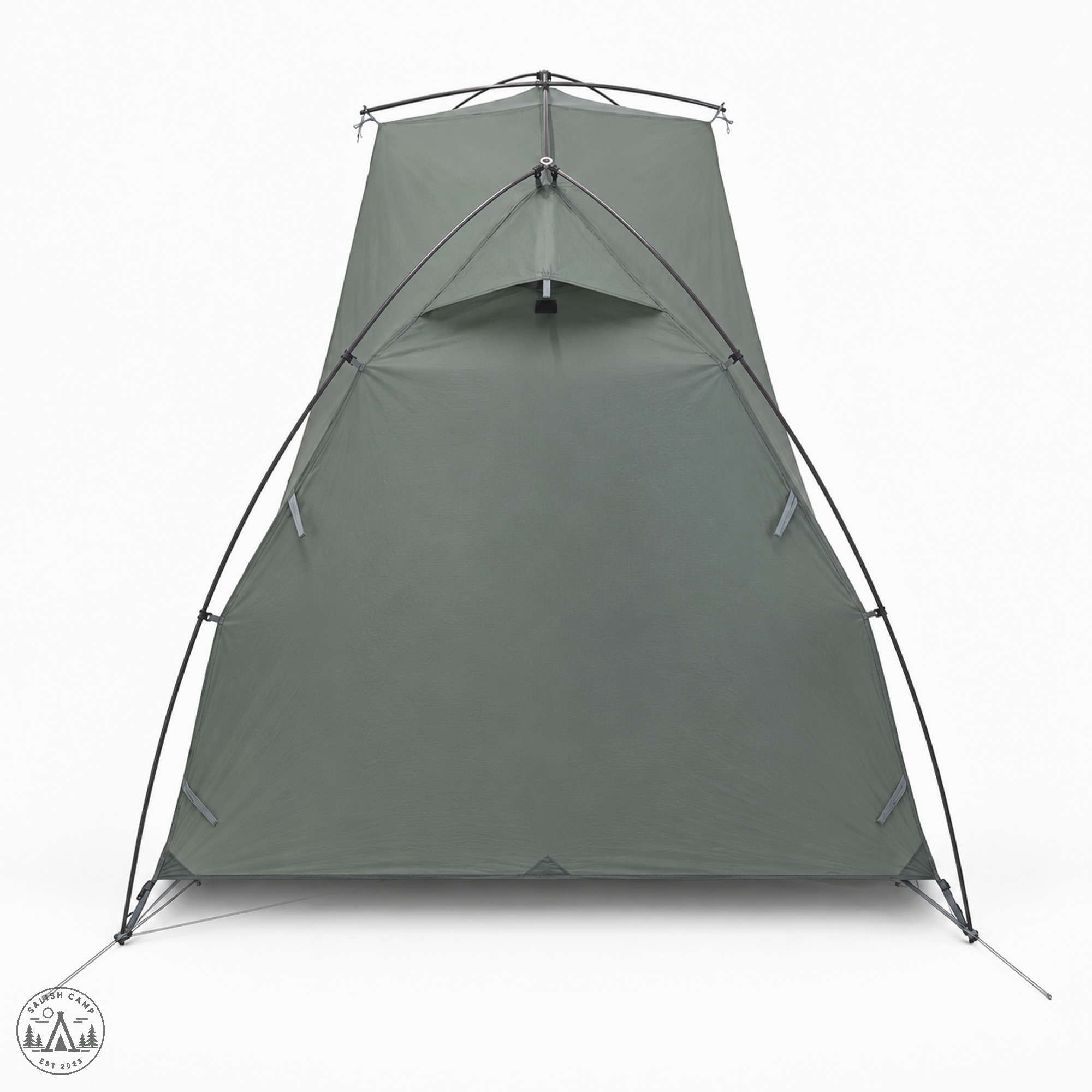
Condensation is part of backpacking in the Northwest. On the Olympic coast, moisture can hang in the air even when the rain stops; around mountain lakes, overnight cooling can leave the fly damp by morning. The X-Dome has two adjustable peak vents that can be closed in severe weather. Combined with the mesh Regular interior, they give options for managing airflow, and I keep ventilation available whenever conditions permit. Double-wall construction separates the sleeping compartment from the outer fly — it doesn’t eliminate moisture. I’d still keep my quilt off wet surfaces and choose a site with reasonable airflow. The low-reaching fly is reassuring in poor weather, but it also makes proper ventilation habits important.
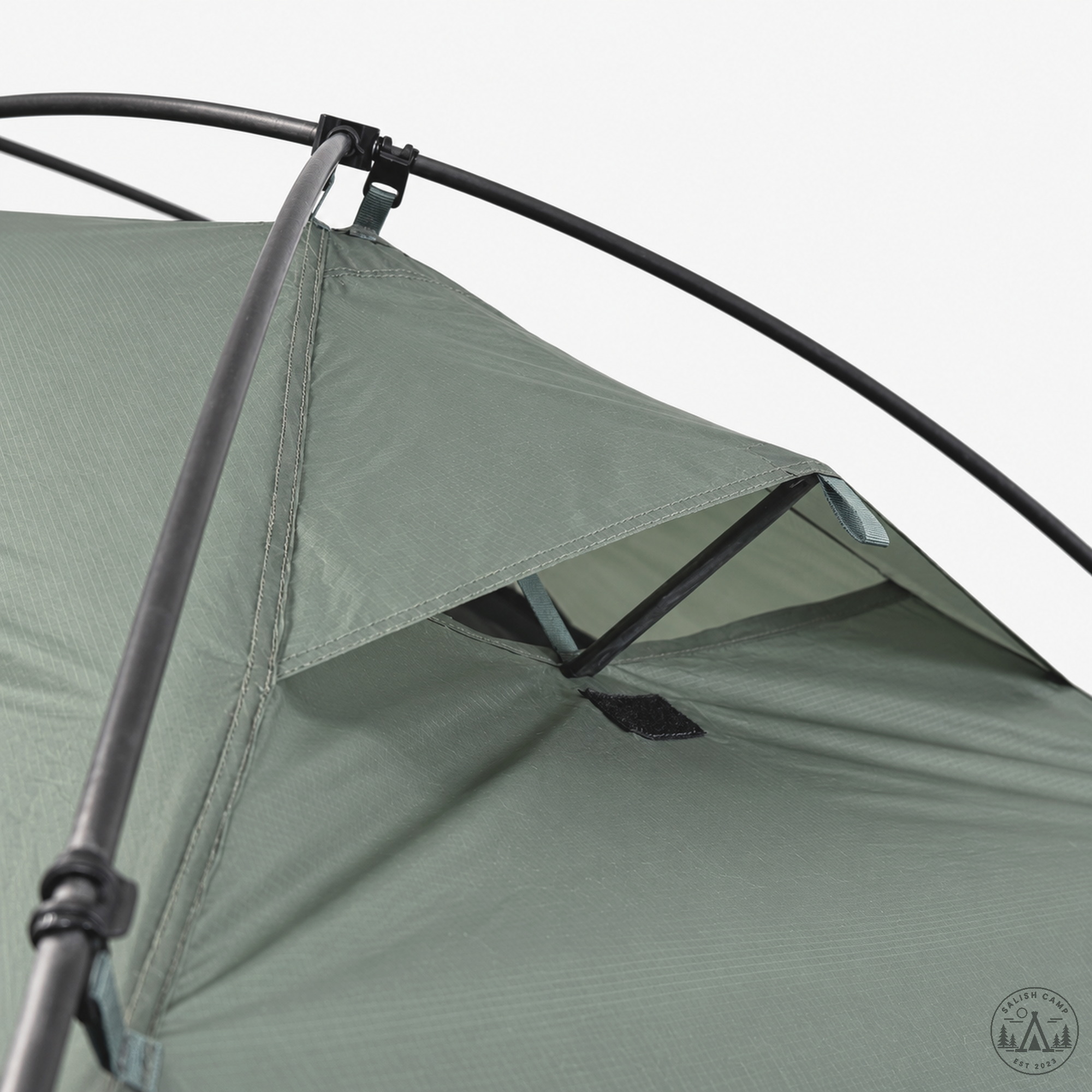
The standard Carbon pole set is my preferred configuration for this review. Its 9.3 oz (265 g) pole weight balances freestanding convenience with backpacking portability. The Carbon Short option reduces packed length to 13 × 5.5 in, though the poles weigh 11.1 oz (310 g) and the configuration costs $444 — useful if pack organization is a priority. The Aluminum option costs $359 with a 13.0 oz (365 g) pole set, when purchase price matters more than minimizing carried weight. None of these choices changes the fundamental reason to buy the tent: a self-supporting structure that doesn’t require trekking poles. Durston’s complete-tent weight for Regular plus Carbon is printed as 34.7 oz (985 g) in the specifications; the product description rounds the same 985 g figure to 35 oz. I use 34.7 oz throughout.
A groundsheet is optional and sold separately. Durston considers the floor suitable without one when the campsite is cleared of sharp gravel, pine needles, and exposed bedrock. On a clean, established forest tent pad I’d leave the extra protection at home; on rougher surfaces I’d consider carrying a layer. The first 2024 batch of carbon poles had an insert-glue issue, for which Durston replaced affected sets; current poles use carbon inserts at the upper joints. I treat a lightweight carbon frame as precision equipment — keep the joints clean and avoid forcing sections together when grit is present.
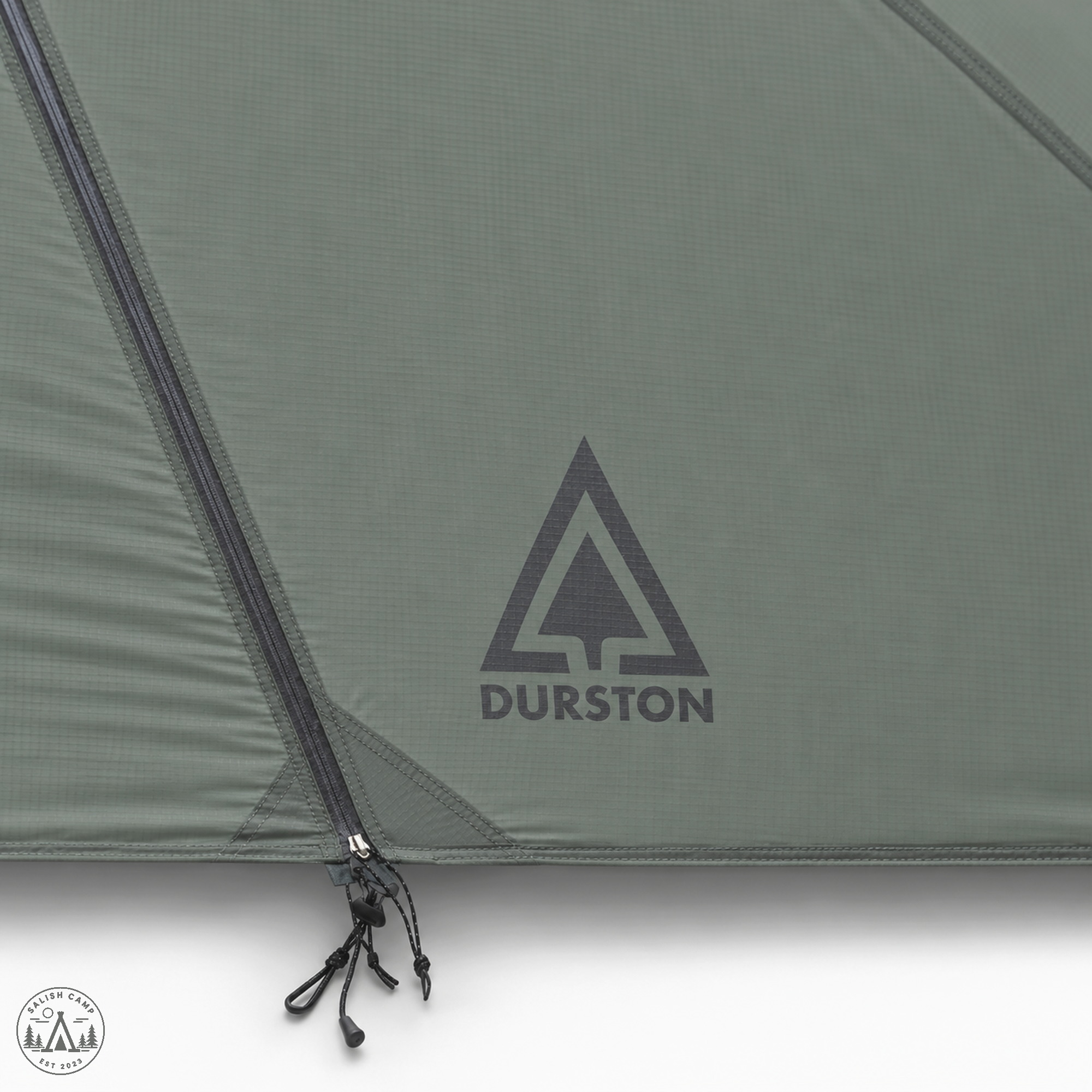
The X-Dome 1+ isn’t the shelter I’d automatically choose for every trip. On long Cascades PCT miles with trekking poles already in hand and established campsites ahead, a lighter trekking-pole shelter becomes attractive. But for rocky sites, uncertain ground, wet setup, and occasional exposed ridges, the X-Dome lets me establish the structure quickly, adjust its position, secure it properly, and settle into a roomy double-wall interior. Freestanding convenience and storm security are different things — the carbon frame gives the tent its shape; staking and guyline management remain essential when the weather turns. For my style of Northwest backpacking, that’s a tradeoff I’m willing to make.
Pros
- Truly freestanding design: The external carbon frame supports the tent without mandatory trekking poles or stakes, making awkward and hard-packed sites easier to manage.
- Excellent solo livability: The wide head end, diagonal sleeping option, and generous headroom provide practical space for sleeping and organizing equipment.
- Well-considered rain protection: Fly-first pitching, a full-coverage fly, protected doorway, and adjustable vents suit wet Northwest conditions.
- Flexible structural setup: Optional trekking-pole reinforcement and multiple guyline attachment locations allow more deliberate preparation for exposed camps.
Cons
- Heavier than many trekking-pole alternatives: The complete freestanding system carries a weight penalty that matters on long-distance trips.
- Only one entrance and vestibule: The layout is efficient for solo use, but it lacks the access flexibility of dual-door shelters.
- Regular inner favors ventilation over enclosure: The mostly mesh construction is less appealing for frequent cold, windy shoulder-season camping than a more solid interior.
Technical Specifications
| Specification | Details |
|---|---|
| Product | Durston X-Dome 1+ |
| Config in photos / primary | Regular interior, Carbon pole set, SKU DXD-A300-1009 |
| Price (primary) | $419.00 USD (durstongear.com, 2026-10-09, in stock) |
| Type | Freestanding double-wall tent, 1+ person, 1 door, 1 vestibule |
| Weight (complete) | 34.7 oz (985 g) |
| Weight (typical setup) | 36.6 oz (1,040 g) with stuff sacks and 4 stakes |
| Component weights | Fly 14.3 oz (405 g); Regular inner 11.1 oz (315 g); Carbon poles 9.3 oz (265 g) |
| Floor | 85 in straight or 90 in diagonal; 29–50 in wide; 23.5 sq ft |
| Interior height | 42 in (1.08 m) |
| Fly | 56.5 × 88 in footprint; 45 in high |
| Vestibule | 9.2 sq ft (0.85 sq m) |
| Packed size | 19 × 4.5 in (48 × 12 cm) |
| Fly fabric | 15D high-tenacity Sil/PE polyester, 3,500 mm HH |
| Floor fabric | 15D Sil/PE nylon, 3,500 mm HH |
| Poles | Easton carbon (3.9 / 6.3 blend) |
| Stakes | 8 DAC J stakes included |
| Other versions | Carbon Short poles $444 (packs 13 × 5.5 in); Aluminum poles $359; Solid inner from $379 |
| Warranty | 2 years |
Final Thoughts
The Durston X-Dome 1+ appeals to the part of me that values a dependable campsite routine as much as a light backpack.
I want a tent I can put on a rocky bench above a North Cascades lake, position without fighting for perfect stake placement, and secure properly before the evening weather moves in. I also want enough room to change out of wet layers, organize equipment, and spend a long rainy night without feeling pressed against the walls.
The Carbon pole structure is the central advantage, but the overall design is what makes it interesting: a genuinely useful solo floorplan, protected vestibule access, a fly-first pitch, adjustable ventilation, and thoughtful door hardware.
I’d choose the Regular interior for most of my three-season Cascades and Olympic Peninsula backpacking. It gives me the ventilation I want during warmer nights while retaining the advantages of a full-coverage double-wall shelter. For someone who primarily camps in cold, exposed shoulder-season conditions, the Solid interior deserves serious consideration.
At $419, the Regular/Carbon X-Dome occupies a practical middle ground between minimalist trekking-pole shelters and heavier traditional freestanding tents. It isn’t the lightest solution, and it doesn’t pretend to be. What it offers instead is a compelling combination of space, setup flexibility, and weather-conscious construction.
For a solo backpacker who regularly encounters hard ground, damp campsites, and unpredictable mountain weather, that’s a combination worth carrying.