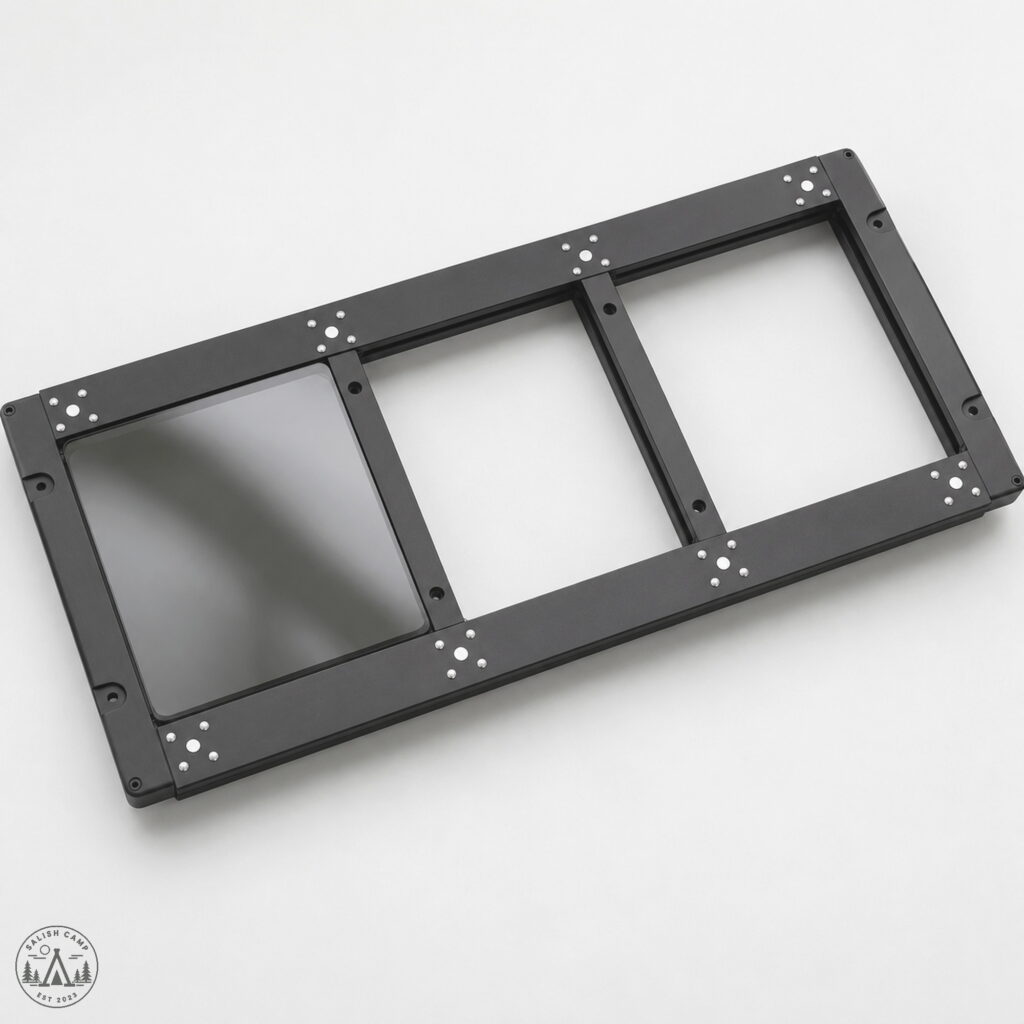
Buy if you already run a Stanluck IGT frame and want a dedicated spot to set down hot pans. Stanluck rates the armor glass as heat-resistant for hot pans, and its page says you can see through it to a stainless tray box underneath. It’s a tidy way to make a cooking station feel complete without adding another freestanding table.
Skip if you need something for backpacking, want an opaque worktop, or expect glass to take the same rough handling as a stainless panel. Stanluck doesn’t publish dimensions or a real weight, and the listing doesn’t make clear whether the stainless tray box is included, so confirm your frame and the package contents before ordering.
What Stands Out
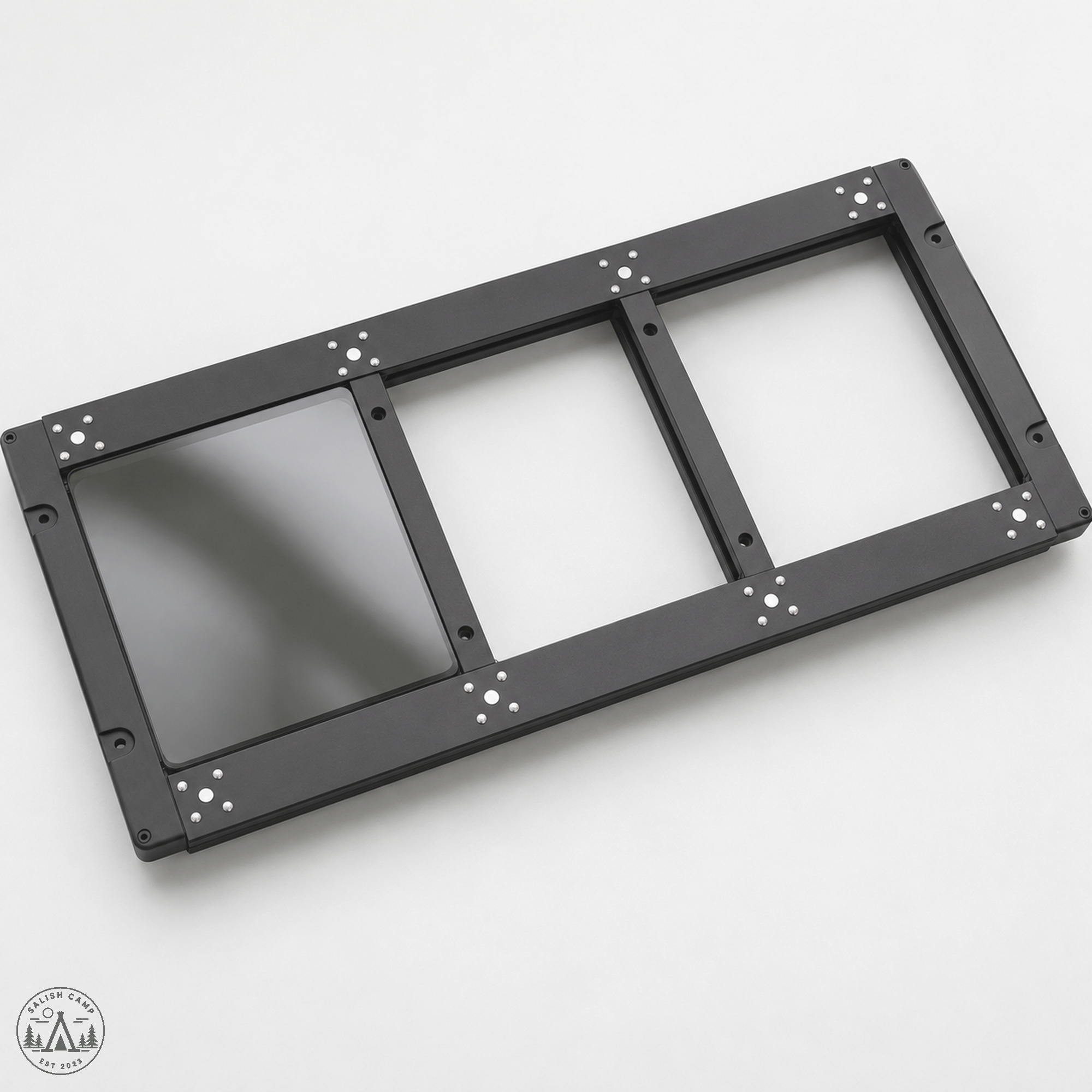
- Heat-resistant armor glass: Stanluck describes the top as suitable for hot pans, which makes it more useful around a camp kitchen than an ordinary glass panel.
- One-unit IGT format: It fills a single bay of a compatible IGT frame, so you can dedicate part of the table to a hot-pan landing spot without reworking the layout.
- See-through top: Stanluck’s page says the glass lets you see through to a stainless tray box underneath, rather than hiding everything below.
- Tray box wording is unclear: The listing mentions that tray box but doesn’t establish whether it ships with this insert.
- Storage bag included: A dedicated bag keeps the glass separate from loose camp gear in transit.
- A different look: The clear top breaks up the usual run of metal panels in a carefully arranged IGT kitchen.
In The Field
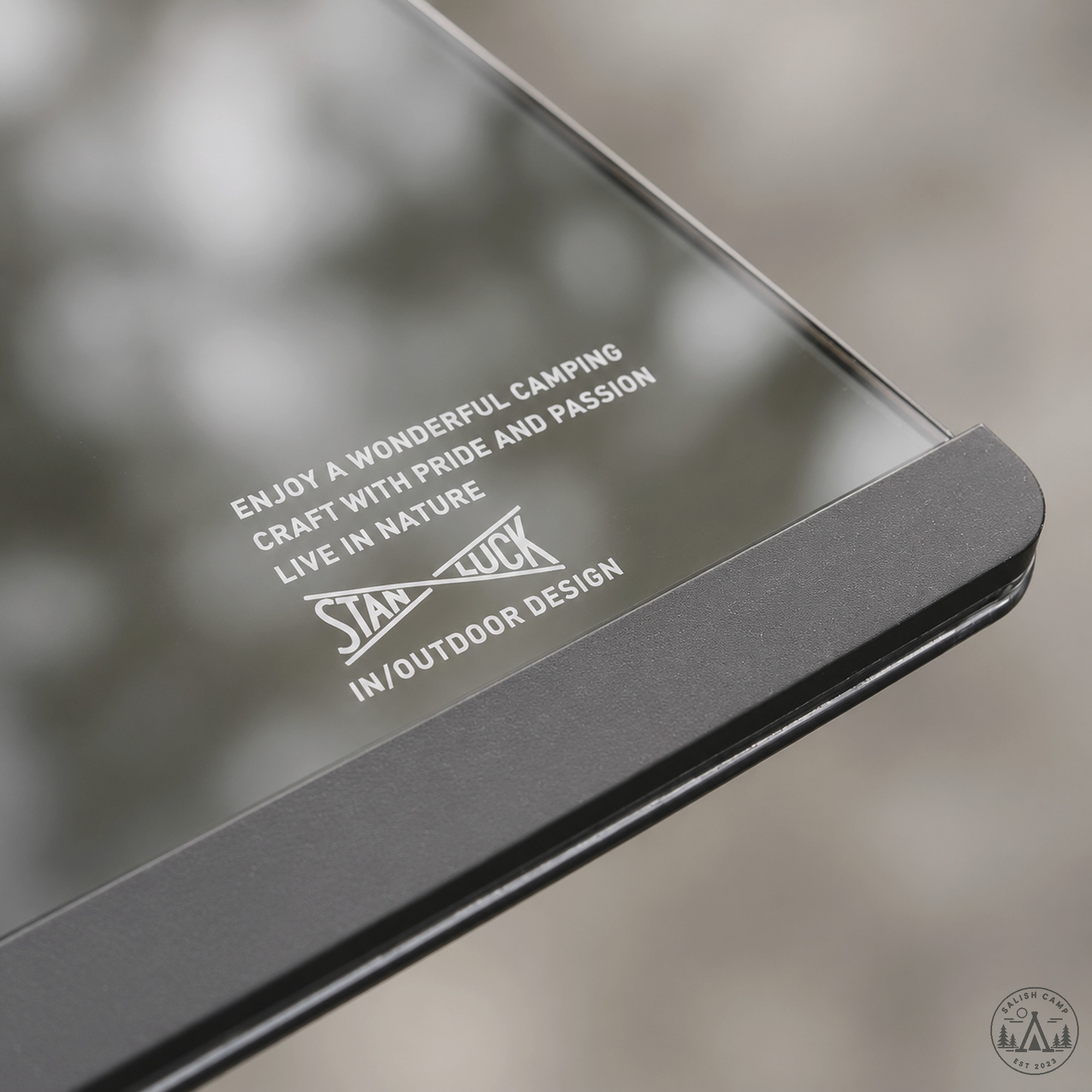
The more I cook at established campsites, the more I value a proper place to put things down. That sounds basic until a pot comes off the stove, someone needs a bowl, and every corner of the table is taken. On a wet Olympic Peninsula morning, I want the kitchen organized enough that I can make breakfast without constantly rearranging gear. That’s where the Stanluck 1 Unit Armor Glass Insert fits. It doesn’t cook, store fuel or replace anything. It just gives a compatible IGT frame one more usable section of counter.
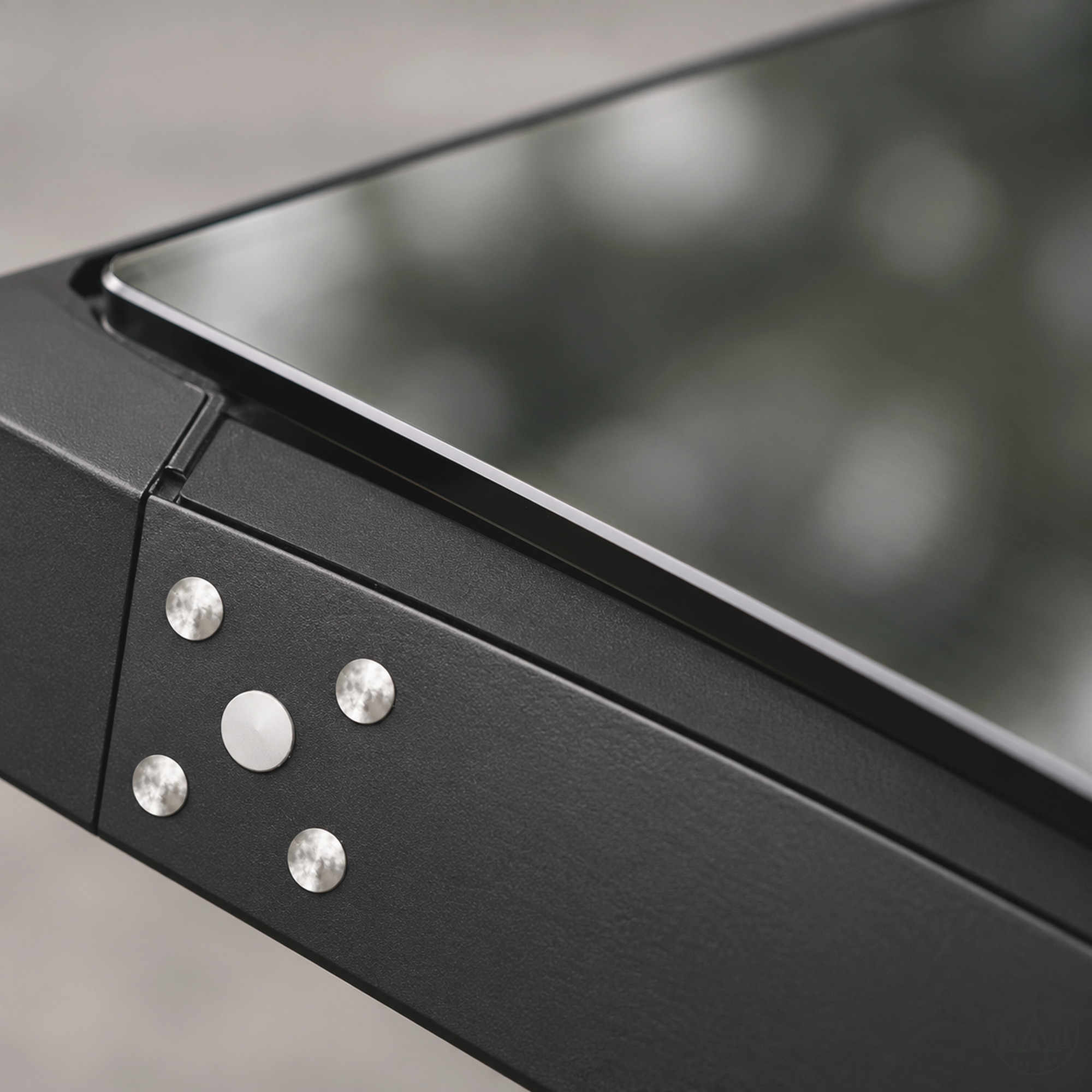
If you’re new to IGT systems, an insert is a component that drops into a designated opening in a modular table frame. Instead of one table with a fixed top, you arrange components around how you cook: one bay might hold a cooking module, another a solid work surface. This insert fills the second role, with heat resistance as its selling point. The one-unit format is meant for a matching IGT bay. It isn’t a standalone table, and it won’t automatically work with every camp table. It’s the kind of add-on I’d look at for the Stanluck 3 Unit IGT Frame I reviewed earlier, but I’d verify fit against your exact frame rather than assume every IGT-labeled product shares the same mounting details.
The layout I’d choose is simple: cooking on one side, the glass insert close by, and the rest of the frame clear for prep and serving. At a Cascades car-camp, that’s useful from the first kettle of water to the last pan of dinner. When I lift cookware off the heat, I want a landing spot within reach instead of stretching across food, utensils and fuel. A dedicated hot-pan spot gives the kitchen a predictable rhythm, and that matters more to me than how elaborate it looks in photos.
The key is what Stanluck actually claims. It calls the glass heat-resistant and suitable for hot pans. That’s useful, but it isn’t a published temperature rating, and Stanluck lists none. I wouldn’t read “armor glass” as permission to put it over an open flame, use it as a burner support, or hit it with harsh temperature swings. Without a stated limit, I stay within the stated purpose: setting down hot pans during normal camp cooking.
Glass also changes how I work. A metal top shrugs off casual campsite abuse, even if it picks up dents. With glass, I’m more aware of impacts, especially at edges and corners. I lower cookware onto it instead of sliding a rough pan across, I don’t chop on it, and I don’t drop heavy tools there. That doesn’t make it impractical. It just suits deliberate cooking and serving more than rough utility work.
I like the look of the transparent top. Most modular camp kitchens become one long run of metal panels, burners and containers, and a clear insert adds a bit of depth. Stanluck’s page talks about seeing through to the stainless tray box underneath; how useful that is depends on how your frame is set up and what actually sits below.
That tray box wording is the detail I’d settle before buying. The listing names the glass insert and storage bag, but it describes the tray box in a way that leaves the package contents unclear. I wouldn’t assume a box arrives with the glass just because the description mentions it. If the tray box matters to your plan, confirm exactly what ships with BJ-131B before checkout rather than building a layout around a part you may have to buy separately.
Cleaning deserves some thought. On a gravel bar along the Skagit, fine sand gets into everything. I treat the glass like good kitchen gear: brush off loose grit before wiping, use a soft cloth and skip abrasive pads. For greasy residue, mild dish soap and water, then a careful dry. I also check the edges and where the insert meets the frame, since trapped grit turns routine handling into scratches.
I’m careful with temperature changes, too. After cooking, I let the insert cool on its own before washing it instead of pouring cold water on a hot surface. Stanluck doesn’t publish enough detail to say more about thermal shock. That matters on a late-season coastal trip, when the air is cold, the table is damp and pans come straight off the heat. Heat-resistant doesn’t mean immune to every mix of heat, cold, moisture and impact.
Transport is where the bag earns its place. A car full of camp gear is surprisingly hard on finished surfaces, so I don’t toss the glass in with loose stove parts, stakes and steel cookware. I clean it, dry it, bag it and wedge it somewhere protected where heavier items can’t shift against it. I wouldn’t count on the bag for serious impact protection without knowing more about how it’s built.
Before loading any cookware, I check that the insert sits securely in its bay and doesn’t rock. An attractive surface isn’t useful if the frame underneath isn’t set up correctly.
In the end, I’d treat the Armor Glass Insert as a focused upgrade for a car-camp kitchen, not a general table accessory. It makes most sense when the frame is already in your setup and a hot-pan landing spot would smooth out the workflow. At $52, it’s a modest add-on for an existing frame. The clear look is a bonus; the real value is usable surface right where you cook. I’d still like clearer specs and an answer on the tray box, but the idea is practical and easy to understand.
Pros
- Hot-pan landing spot: Heat-resistant armor glass gives your IGT kitchen a place to set down hot cookware.
- See-through top: Stanluck says the glass shows the stainless tray box underneath.
- Simple one-unit format: It fills a single bay, so planning a layout in a compatible Stanluck IGT frame is easy.
- Storage bag included: It keeps the glass separate and organized in transit.
Cons
- No published dimensions or weight: That makes independent fit and packing comparisons hard.
- Unclear tray box contents: The listing doesn’t establish whether the stainless tray box is included.
- Glass needs care: It asks for more careful handling, cleaning and protection than a stainless top.
Technical Specifications
| Specification | Details |
|---|---|
| Product | Stanluck 1 Unit Armor Glass Insert w/Bag |
| Config | 1 Unit Armor Glass Insert w/Bag (BJ-131B) |
| Price | $52 USD (stanluck.com, 2026-10-10) |
| Size | 1 unit |
| Top | Armor glass, heat-resistant for hot pans per Stanluck |
| Underneath | See-through to stainless tray box (per page copy) |
| Includes | Storage bag |
Final Thoughts
The Stanluck 1 Unit Armor Glass Insert appeals to the part of me that wants a camp kitchen to work smoothly without extra gear. When stove, prep and serving areas are laid out well, even a simple breakfast gets easier, and a dedicated heat-resistant panel for hot pans is a small upgrade that makes the whole station more usable.
I also like that Stanluck didn’t just make another opaque metal insert. The clear armor glass gives an IGT setup a different look without becoming the centerpiece.
My reservations are about missing information. I’d like published dimensions, a real weight, clearer compatibility details and a plain answer on the tray box. Those matter when you build a modular kitchen piece by piece. Still, for an established Stanluck IGT setup, it’s an accessory I can see earning its place: give it a protected spot in the kit, use it for hot pans and treat the glass with care.